
-
 01
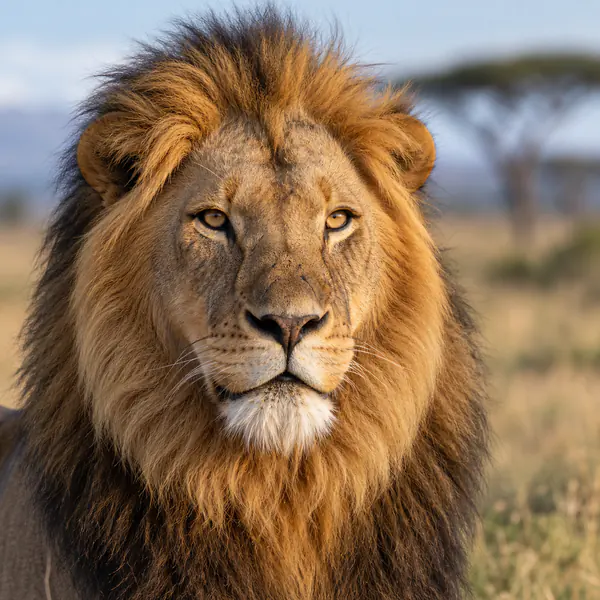
01Wildlife Portrait
Concentrates on an animal's face, expression, and identifying features with a clear subject emphasis.
-
 02
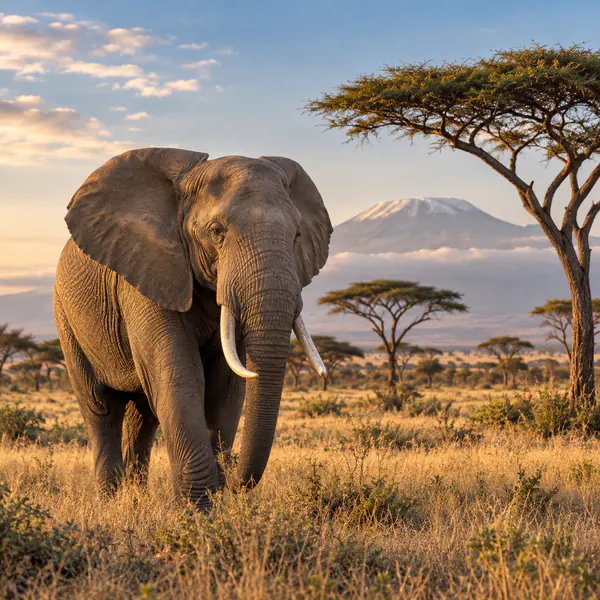
02Environmental Wildlife Portrait
Keeps an animal prominent while including enough habitat to explain where it lives or what surrounds it.
-
 03
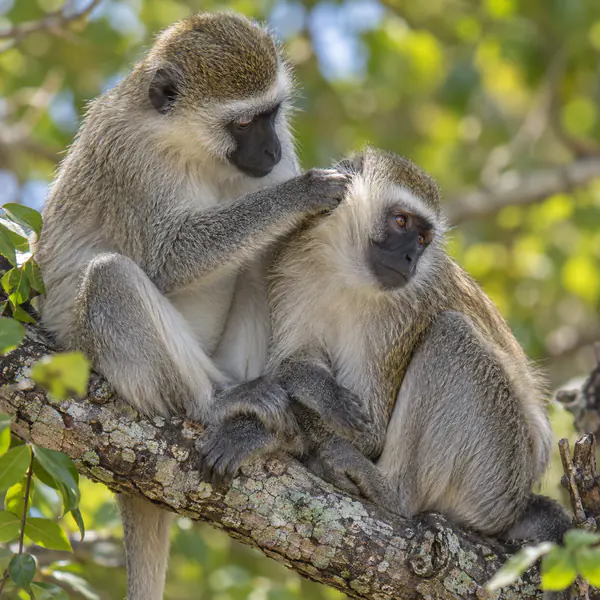
03Animal Behavior Photography
Records meaningful animal activity such as feeding, grooming, courtship, care, or social interaction.
-
 04
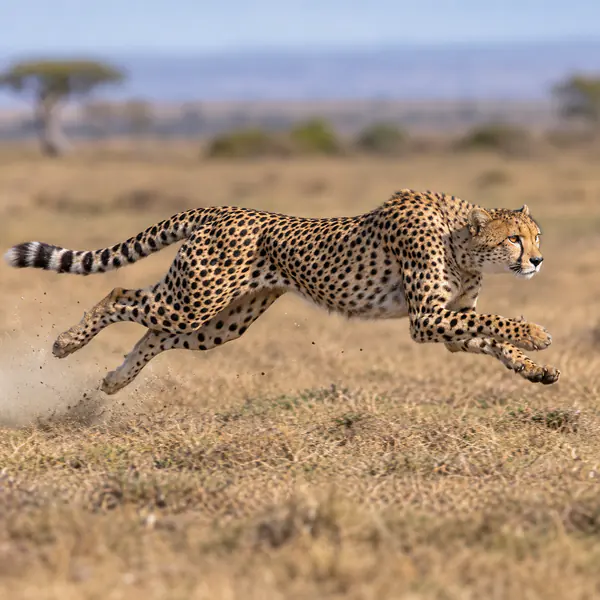
04Wildlife Action Photography
Freezes fast movement to show an animal's speed, strength, or moment of physical activity.
-
 05
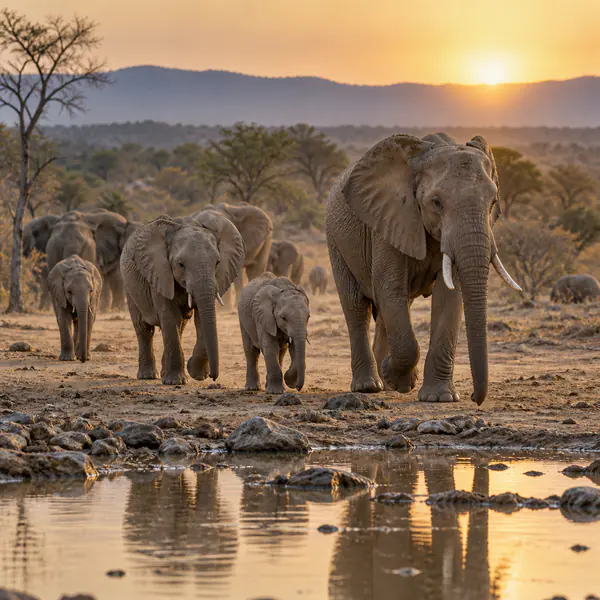
05Documentary Wildlife Photography
Observes wildlife within the wider circumstances of its life, emphasizing events and context over a posed appearance.
-
 06
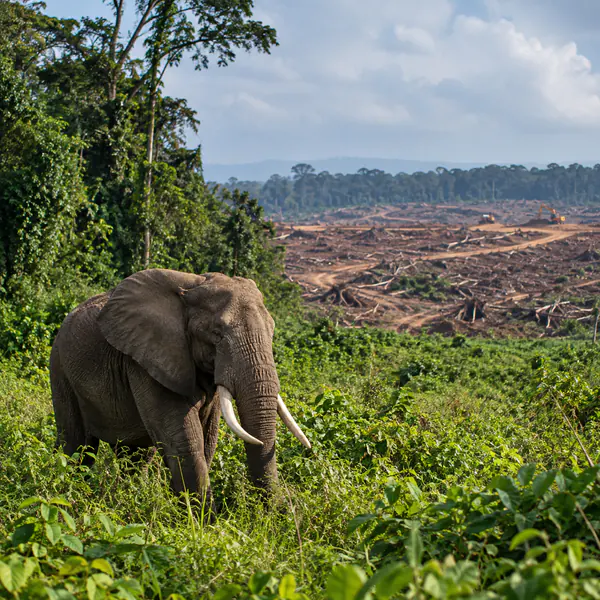
06Conservation Photography
Uses wildlife and environmental context to communicate habitat protection, human pressures, or conservation work.
-
 07
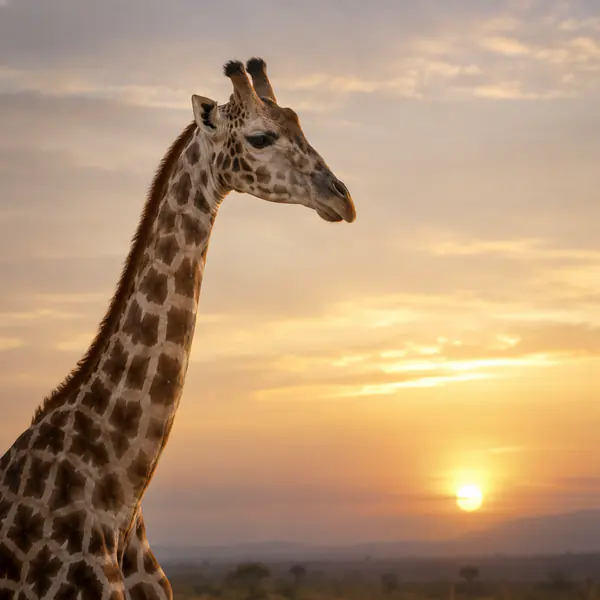
07Fine Art Wildlife Photography
Uses deliberate framing, lighting, and tonal treatment to create an expressive image centered on a wild animal.
-
 08
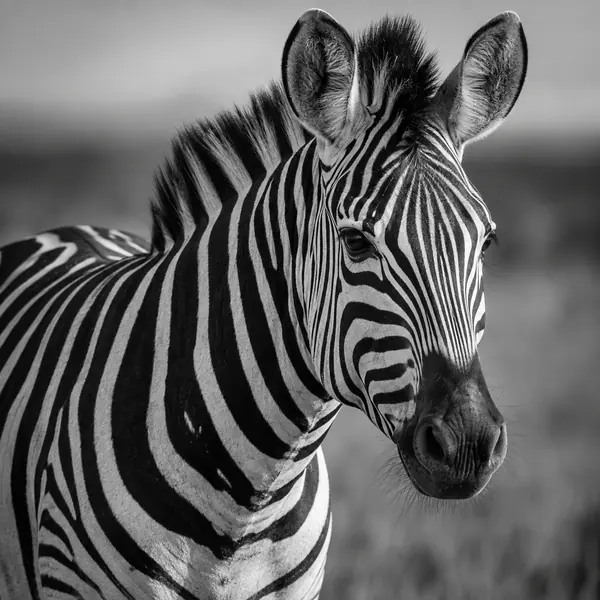
08Black and White Wildlife
Removes color to emphasize an animal's form, texture, markings, and relationship with light.
-
 09
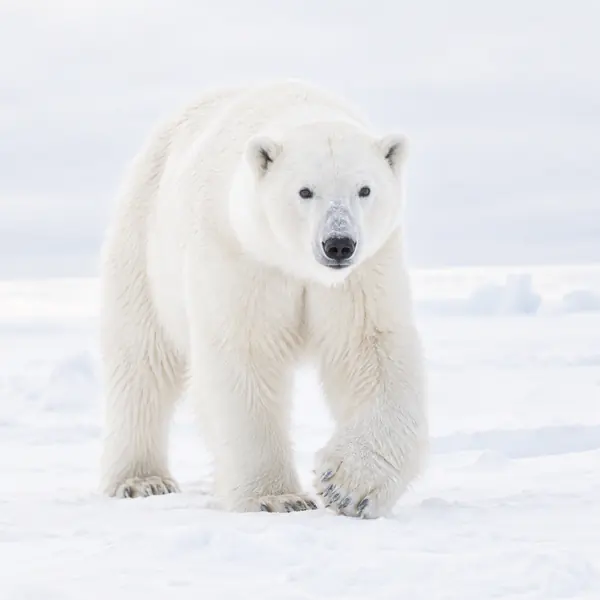
09High-Key Wildlife Photography
Places an animal within predominantly bright tones, using gentle contrast while retaining its important features.
-
 10
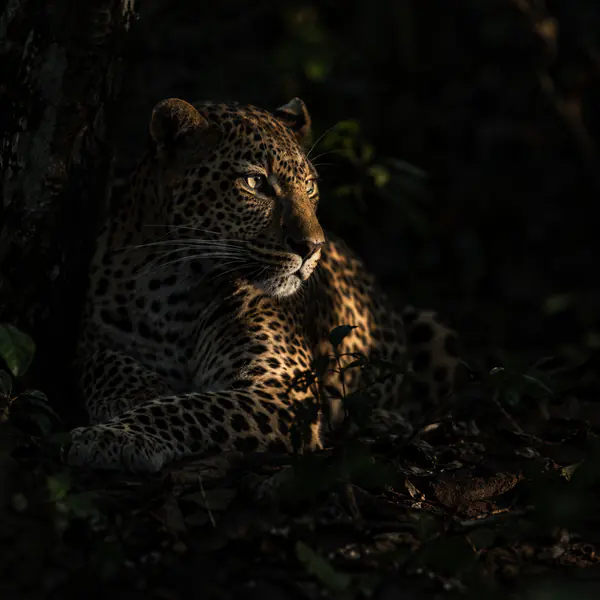
10Low-Key Wildlife Photography
Uses a dark setting and controlled exposure to reveal selected parts of an animal through light.
-
 11
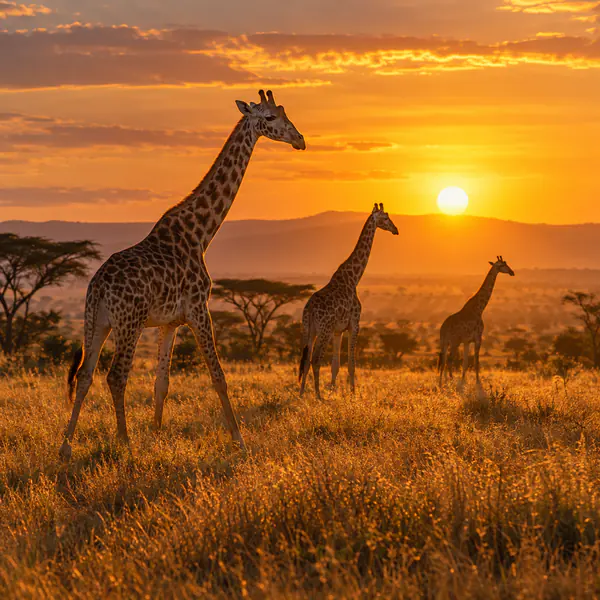
11Golden Hour Safari
Uses warm low sunlight to shape animals and their surroundings during a safari scene.
-
 12
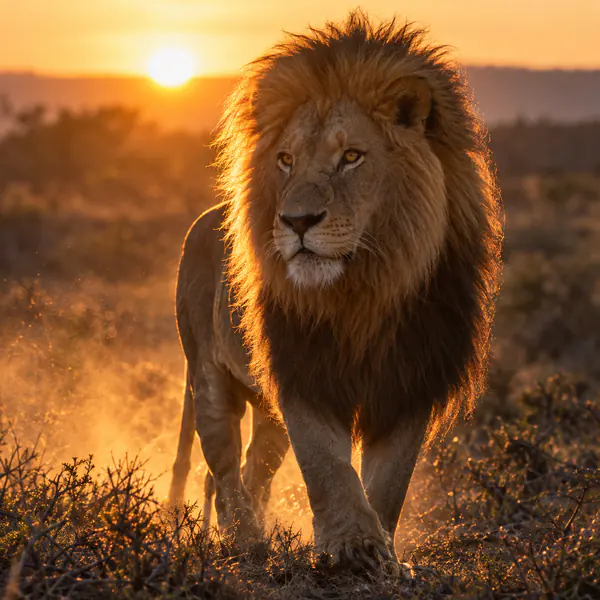
12Backlit Wildlife Photography
Places the main light behind the animal to reveal bright edges, fur, dust, or atmospheric separation.
-
 13
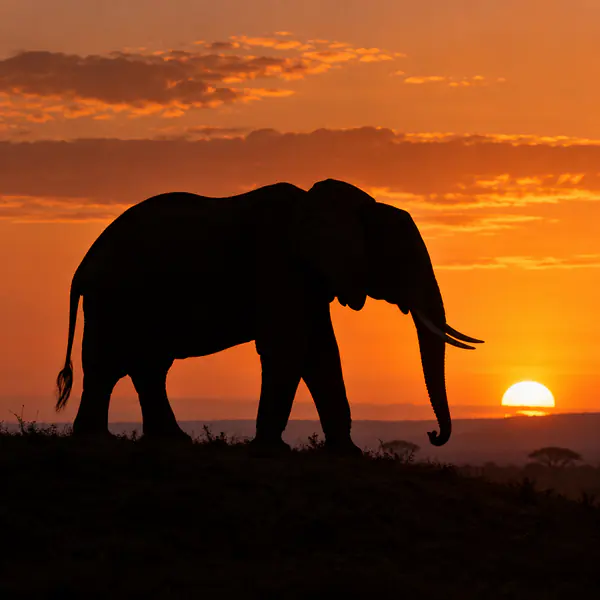
13Wildlife Silhouette
Renders an animal as a dark outline against a brighter sky or illuminated landscape.
-
 14
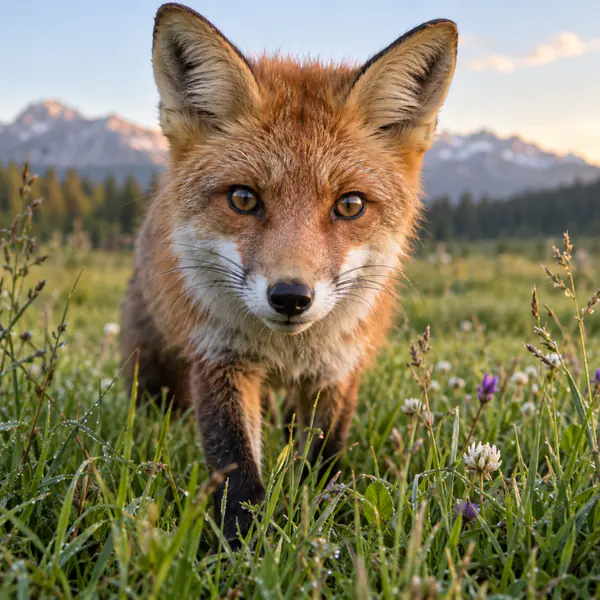
14Eye-Level Wildlife Photography
Matches the camera height to the animal's eyes to create an immediate view of its world.
-
 15
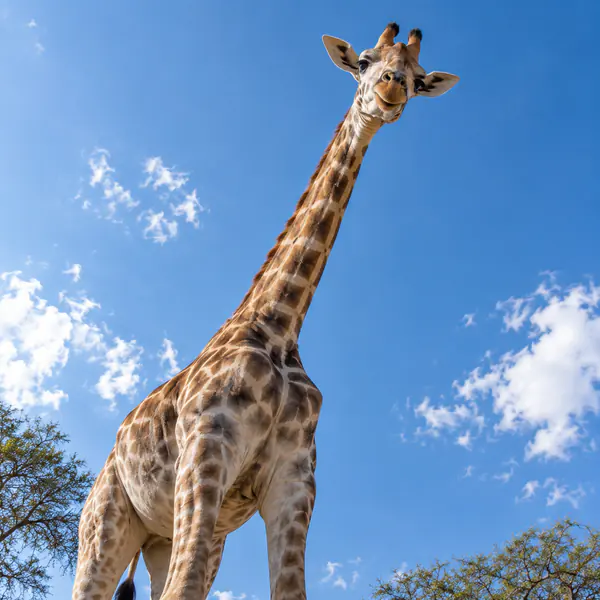
15Low-Angle Wildlife Photography
Photographs upward from below the animal's eye line to emphasize scale, stature, or presence.
-
 16
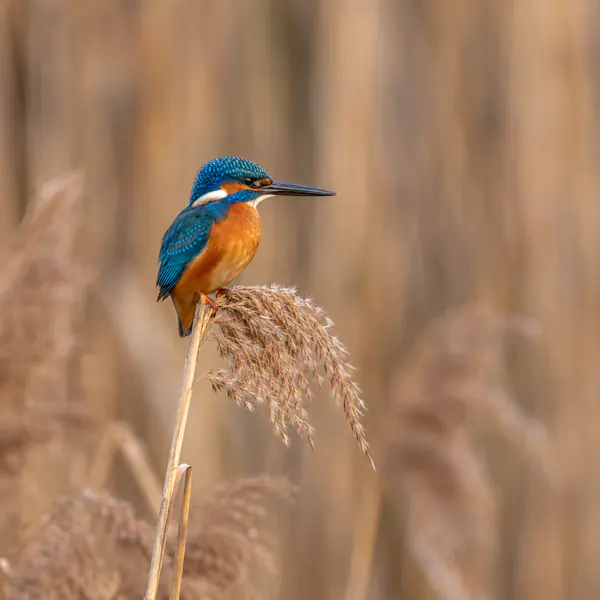
16Telephoto Wildlife Photography
Uses a long-lens viewpoint to isolate a distant animal and simplify or compress its background.
-
 17
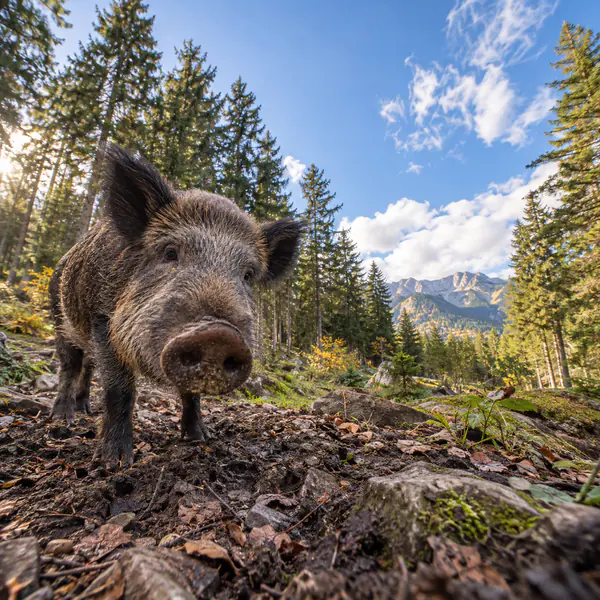
17Wide-Angle Wildlife Photography
Includes extensive surroundings with a nearby animal, creating a strong sense of space and perspective.
-
 18
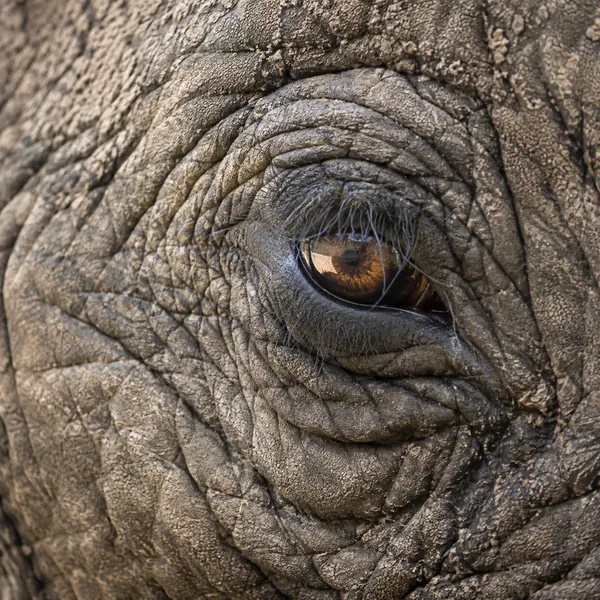
18Close-Up Wildlife Photography
Tightly frames an animal or a distinctive feature to reveal details normally difficult to see from a distance.
-
 19
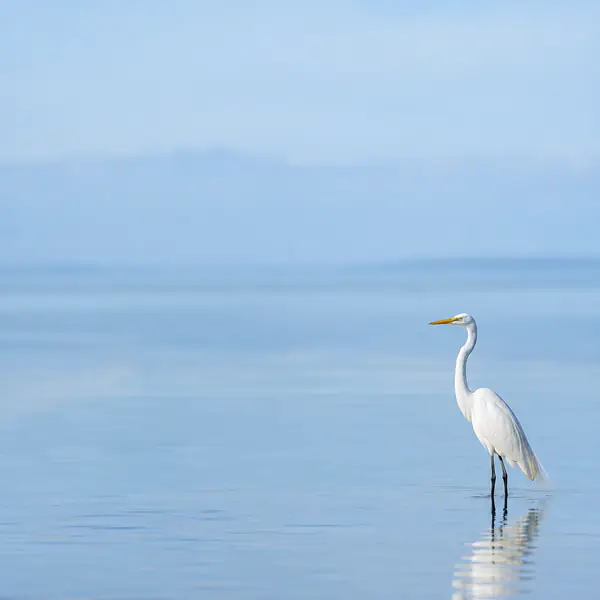
19Minimalist Wildlife Photography
Places an animal within a simplified scene with few distractions and substantial empty space.
-
 20
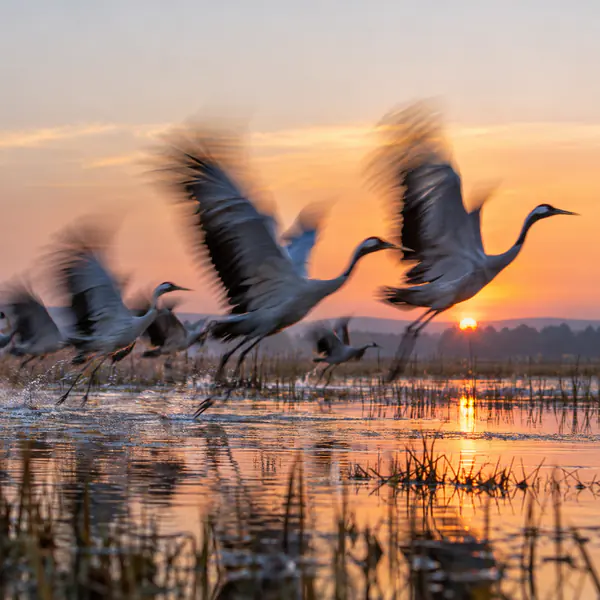
20Wildlife Motion Blur
Uses intentional exposure blur to express animal movement rather than freezing every feature sharply.
-
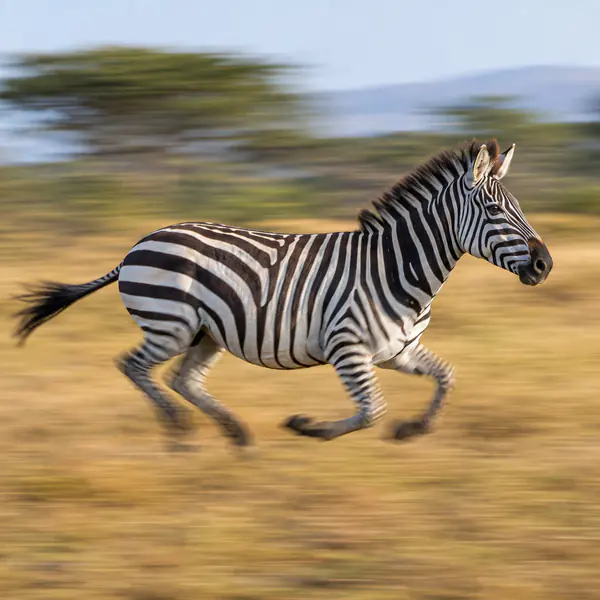 21
21Panning Wildlife Photography
Tracks a moving animal during exposure so its body remains relatively clear against a streaked background.
-
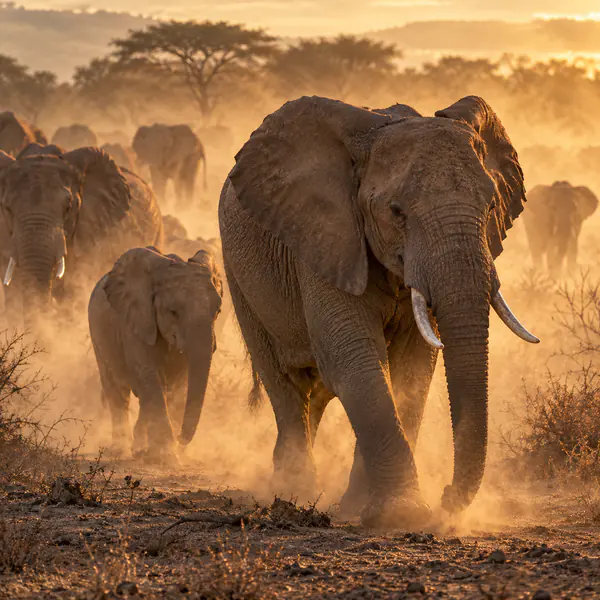 22
22Dusty Safari Photography
Uses airborne dust as a visible part of the scene, adding texture, depth, and illuminated atmosphere.
-
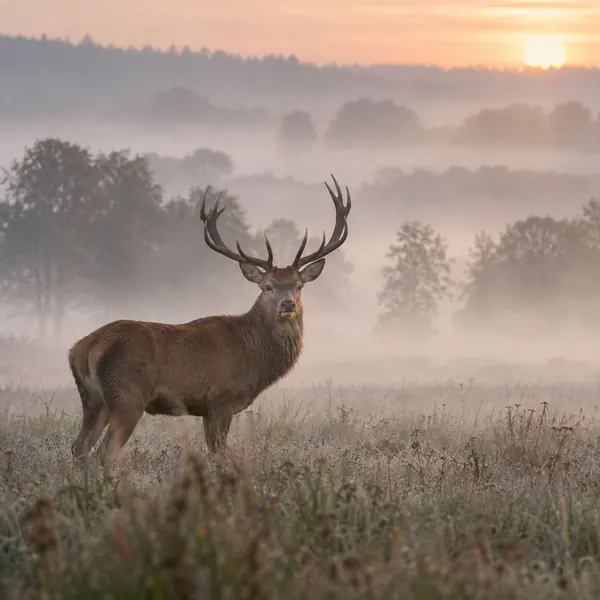 23
23Misty Wildlife Photography
Uses fog or mist to soften the habitat and create separation between the animal and distant surroundings.
-
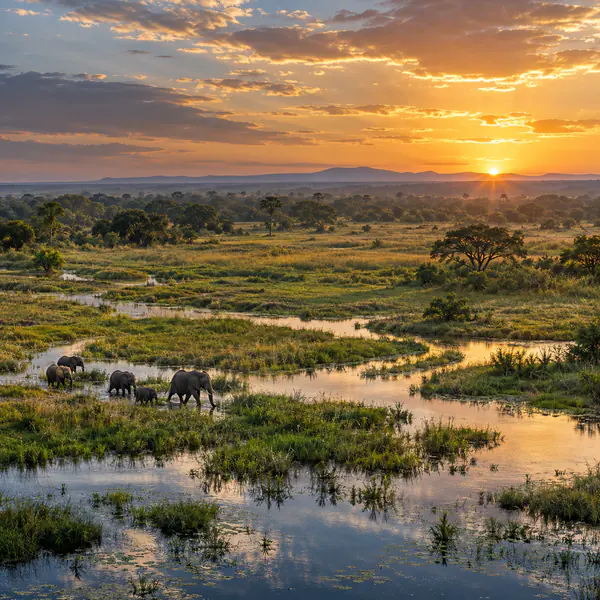 24
24Wildlife Habitat Photography
Emphasizes the ecosystem and the animal's place within it, often making the animal a smaller part of the scene.
-
 25
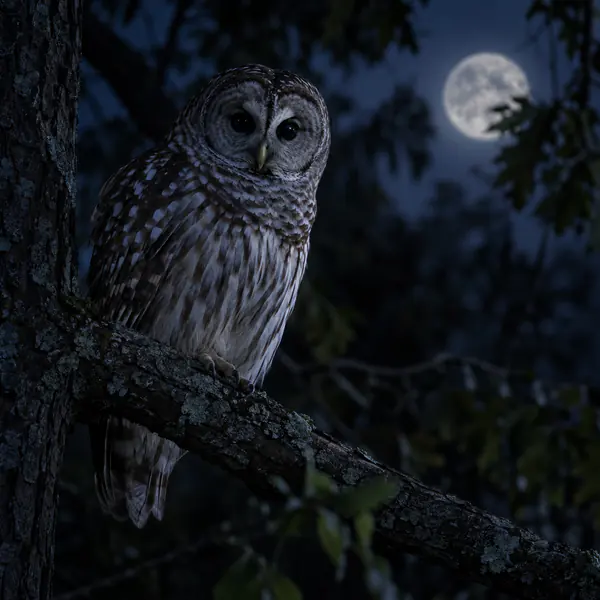
25Nocturnal Wildlife Photography
Shows wildlife active after dark, with lighting and exposure that preserve the sense of a nighttime setting.
No keyword in this pack matches that search.