
-
 01
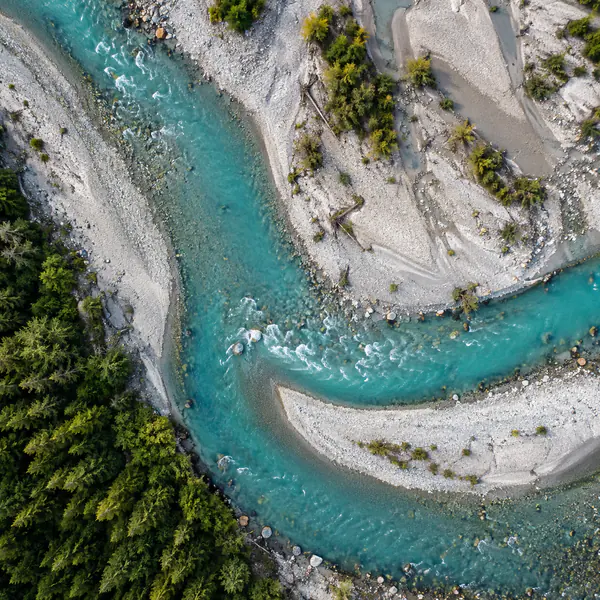
01Top-Down Aerial
Points the camera vertically downward so the scene becomes a flat arrangement of shapes, lines, and surfaces.
-
 02
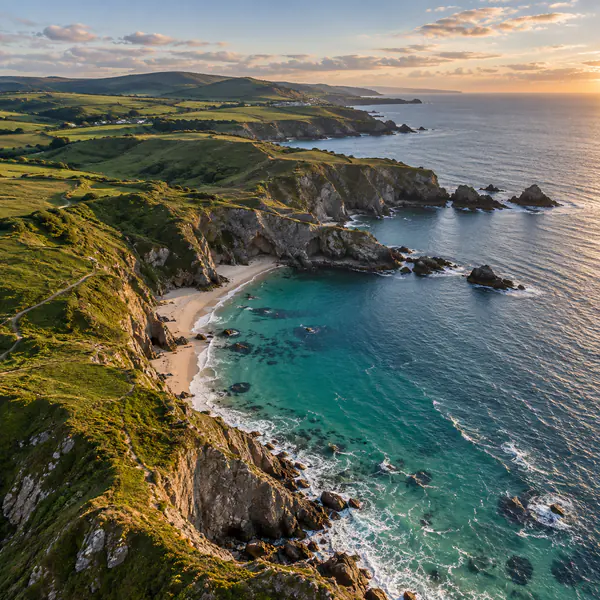
02Oblique Aerial
Angles the camera downward rather than vertically, showing both surface patterns and the height of landscape features.
-
 03
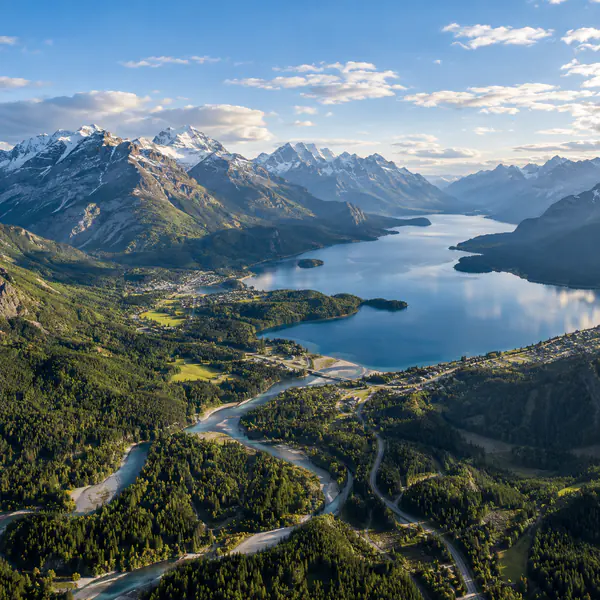
03Wide Aerial Landscape
Shows a large natural or built environment from above, emphasizing its overall extent and spatial relationships.
-
 04
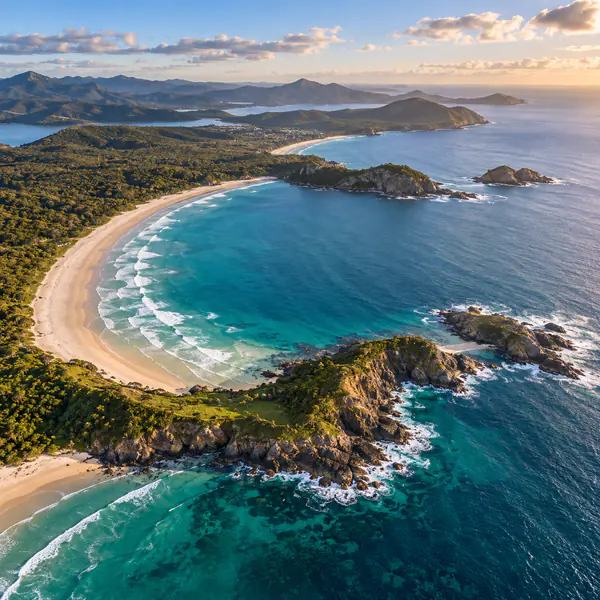
04Panoramic Aerial
Composes an expansive aerial sweep to connect multiple landscape features within one broad view.
-
 05
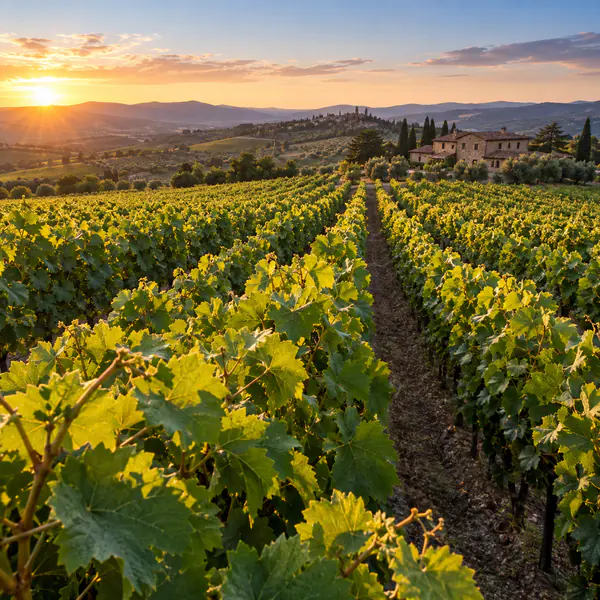
05Low-Altitude Aerial
Uses a relatively low elevated viewpoint so foreground detail remains prominent while the scene gains an aerial perspective.
-
 06
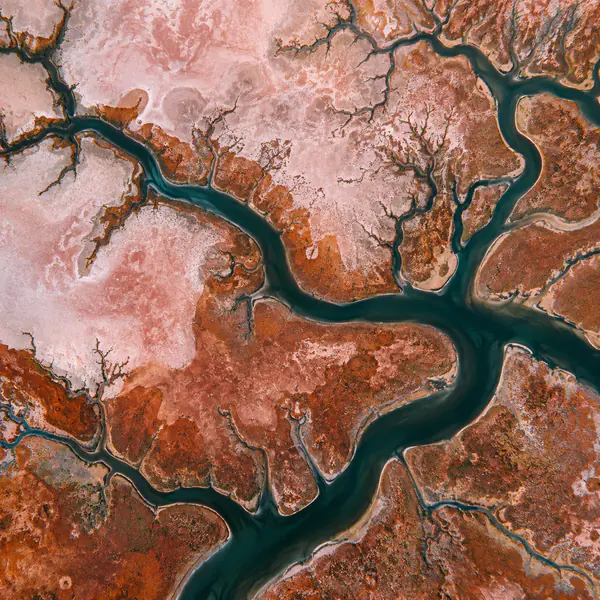
06Abstract Aerial
Turns the scene below into an arrangement of color, shape, or pattern with reduced emphasis on recognizable objects.
-
 07
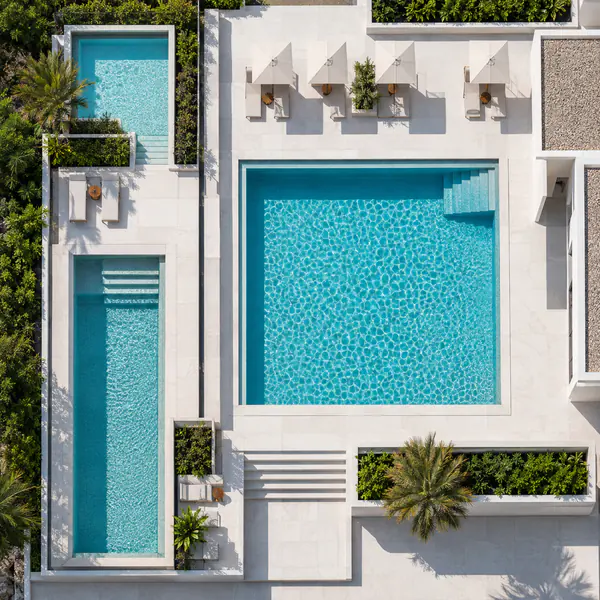
07Geometric Aerial
Emphasizes clearly defined shapes, angles, and repeated structures seen from an elevated viewpoint.
-
 08
08Minimalist Aerial
Uses a small number of elements and large open areas to create a visually restrained aerial composition.
-
 09
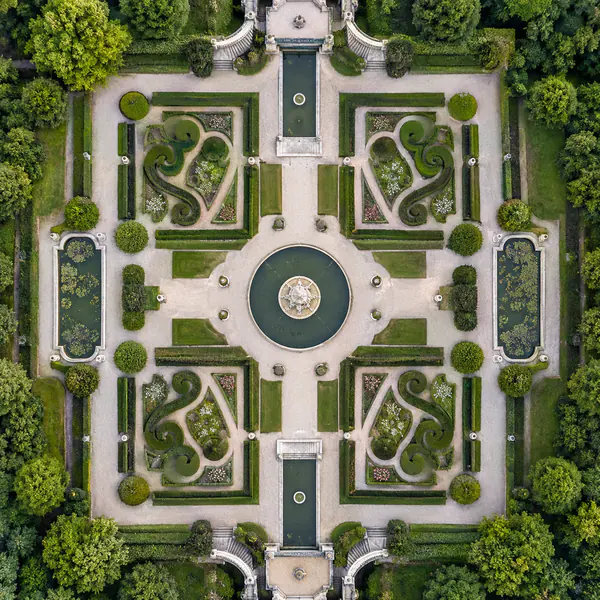
09Symmetrical Aerial
Aligns the aerial composition around mirrored or balanced forms, often using a central axis.
-
 10
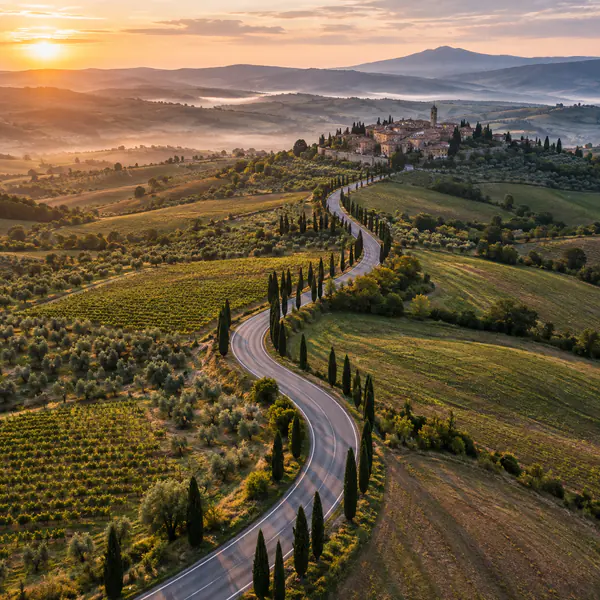
10Aerial Leading Lines
Uses roads, rivers, paths, or other lines to guide attention through the aerial image toward a focal area.
-
 11
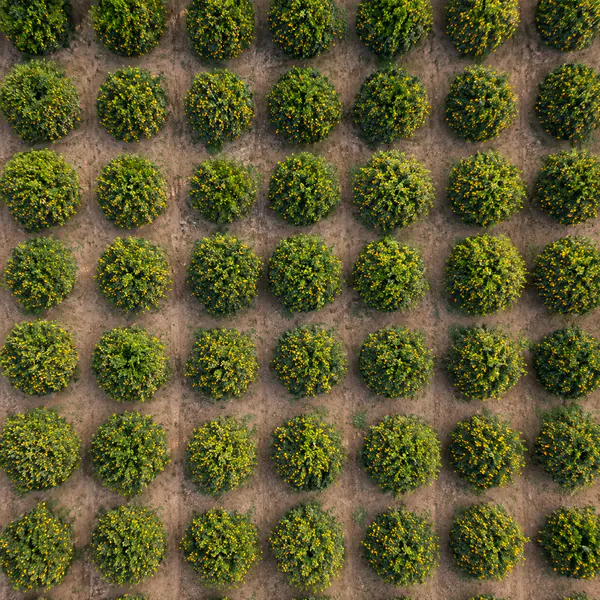
11Aerial Patterns
Highlights repetition in fields, buildings, vegetation, or other features viewed from above.
-
 12
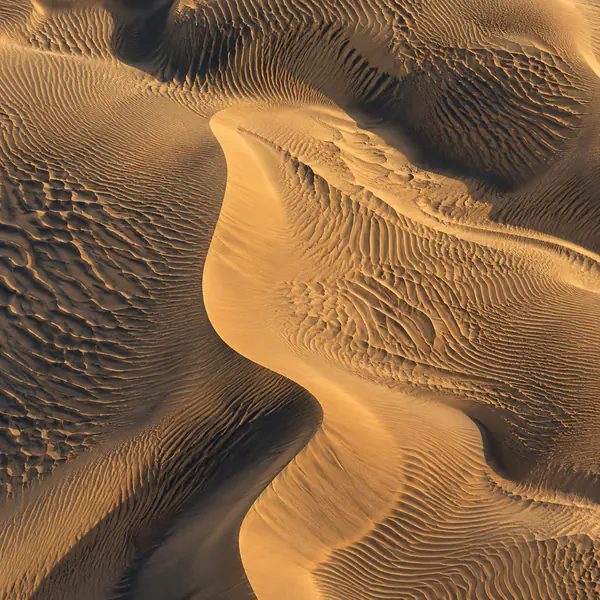
12Aerial Texture Study
Makes the surface character of terrain, vegetation, water, or buildings the main subject of the aerial image.
-
 13
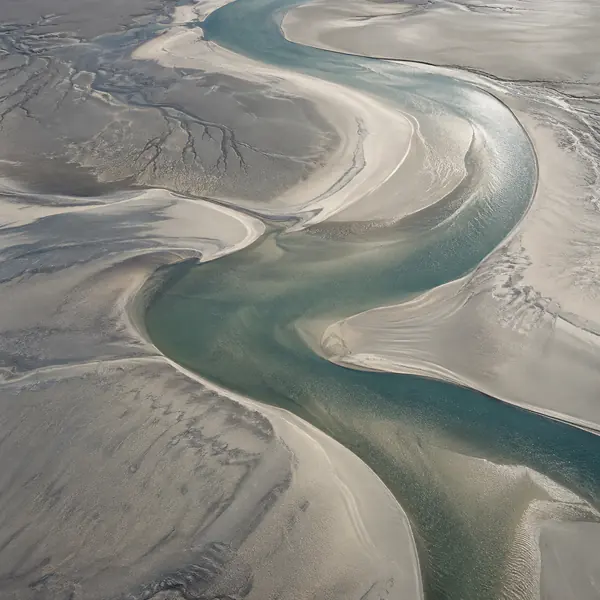
13Fine Art Aerial
Uses careful composition and tonal treatment to create an expressive aerial image with a deliberate visual interpretation.
-
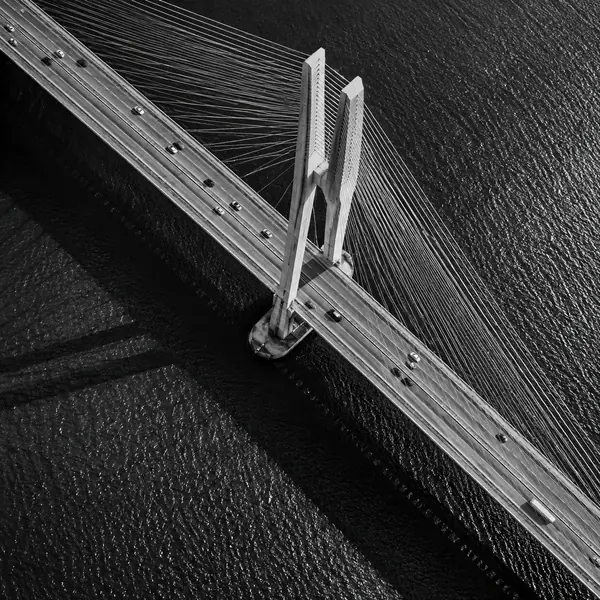 14
14Black and White Aerial
Uses grayscale to emphasize aerial shapes, shadows, surface detail, and tonal relationships.
-
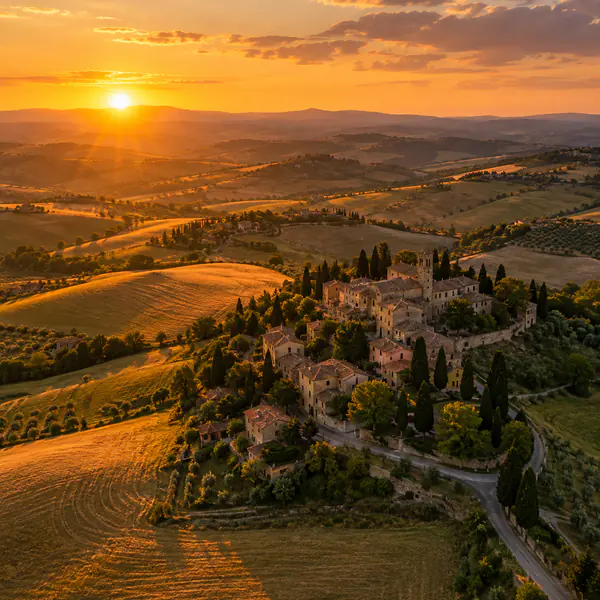 15
15Golden Hour Aerial
Uses warm low sunlight to reveal the shape and depth of the scene from above.
-
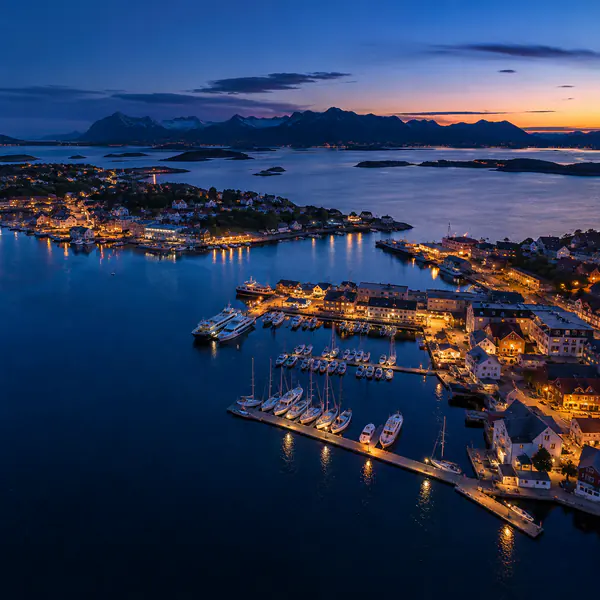 16
16Blue Hour Aerial
Captures cool twilight tones from above, often balancing ambient sky light with lights on the ground.
-
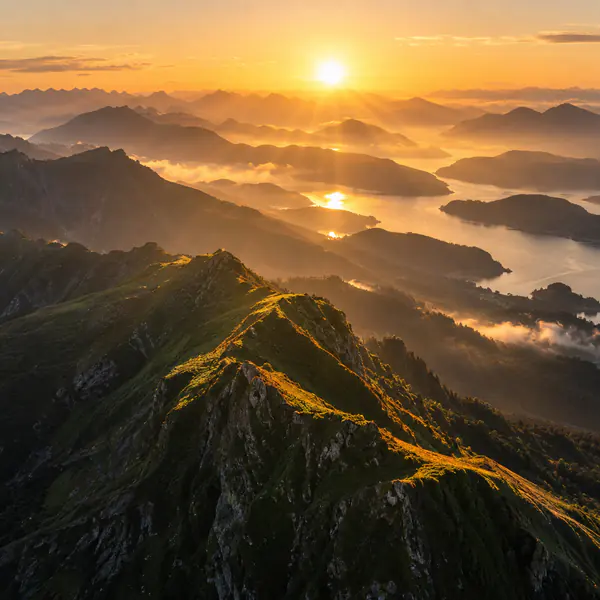 17
17Backlit Aerial
Faces toward the main light so terrain edges, haze, water highlights, or structures become illuminated from behind.
-
 18
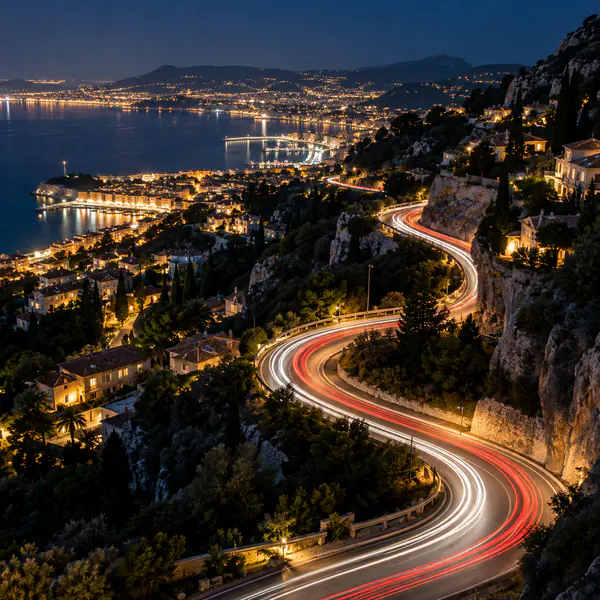
18Long Exposure Aerial
Uses an extended exposure from a stable aerial viewpoint to show light trails or soften moving water.
-
 19
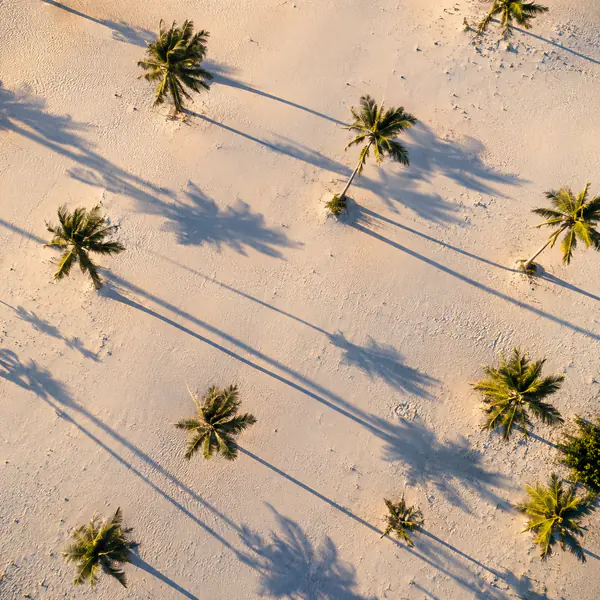
19Long Shadow Aerial
Makes elongated shadows a major compositional element, revealing height and form across the ground.
-
 20
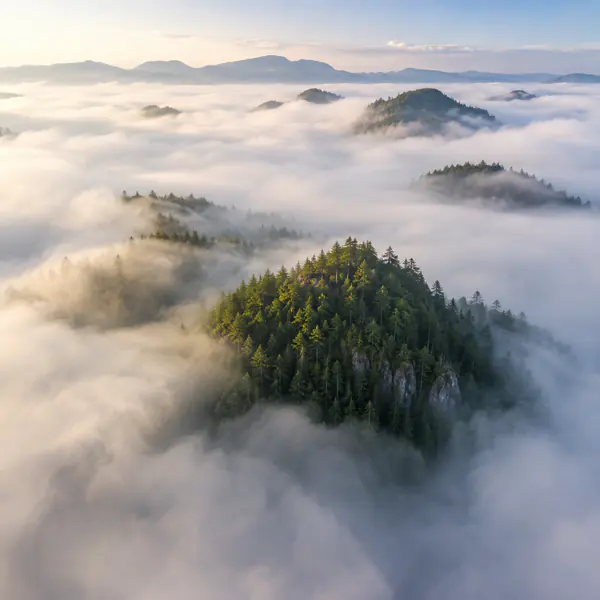
20Foggy Aerial
Uses fog or low cloud to obscure parts of the landscape and create soft layers from above.
-
 21
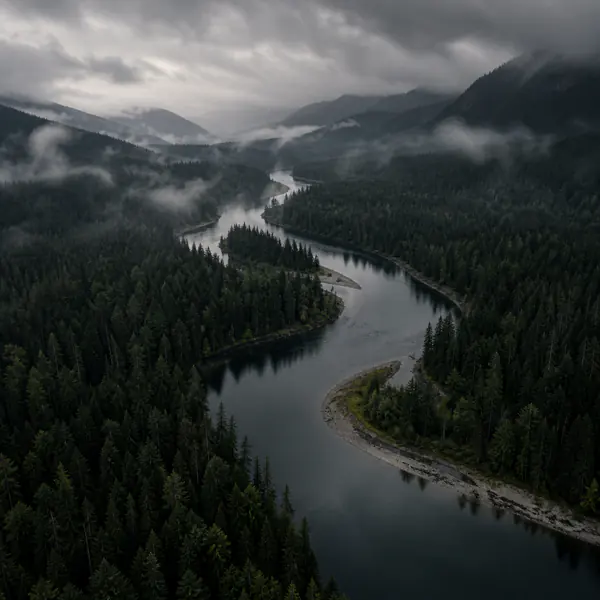
21Moody Aerial
Uses subdued color, low light, and atmosphere to give an aerial scene a contemplative or somber mood.
-
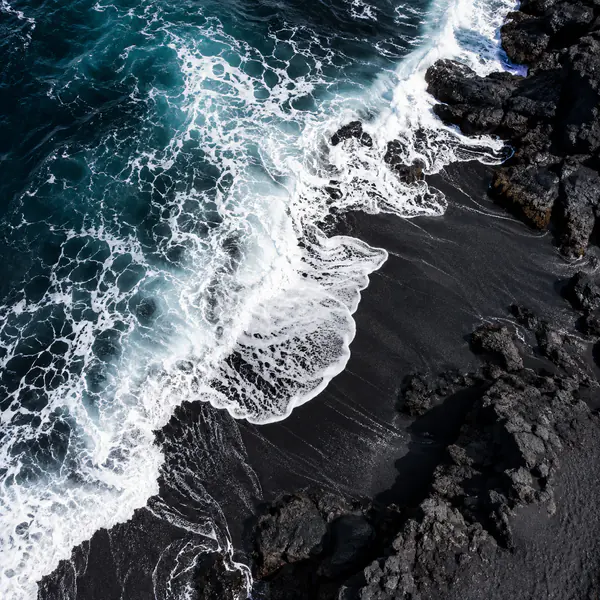 22
22High-Contrast Aerial
Emphasizes strong differences between bright and dark areas to make aerial forms and patterns stand out.
-
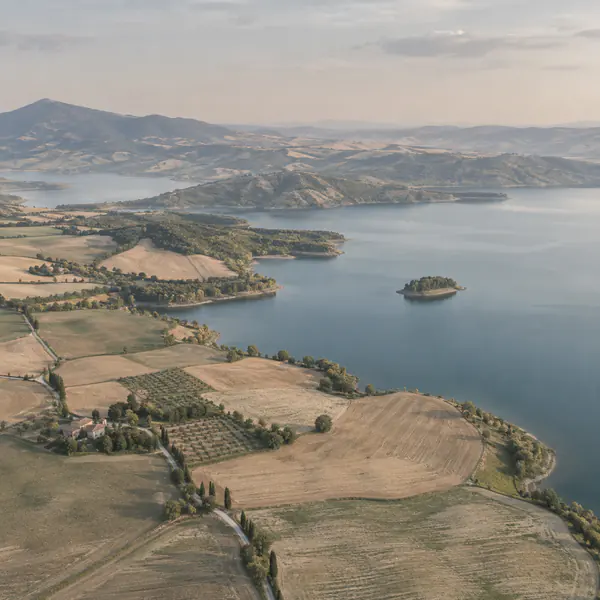 23
23Muted Color Aerial
Uses restrained saturation and gentle color differences to create a quieter aerial palette.
-
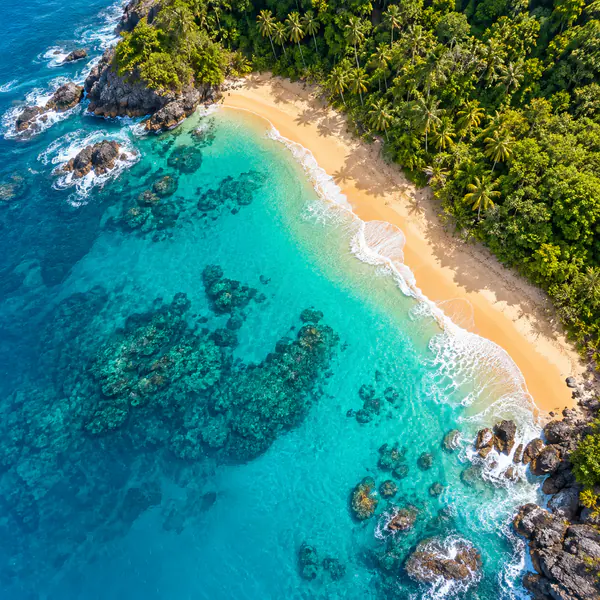 24
24Vibrant Color Aerial
Uses rich, distinct colors to emphasize the energy and visual separation of features seen from above.
-
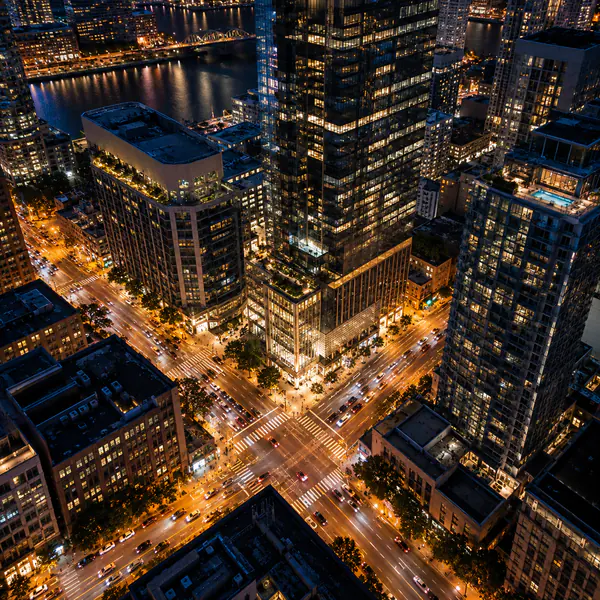 25
25Night Aerial
Photographs the scene after dark, using artificial lights, illuminated structures, and shadow to organize the view.
No keyword in this pack matches that search.