
-
 01
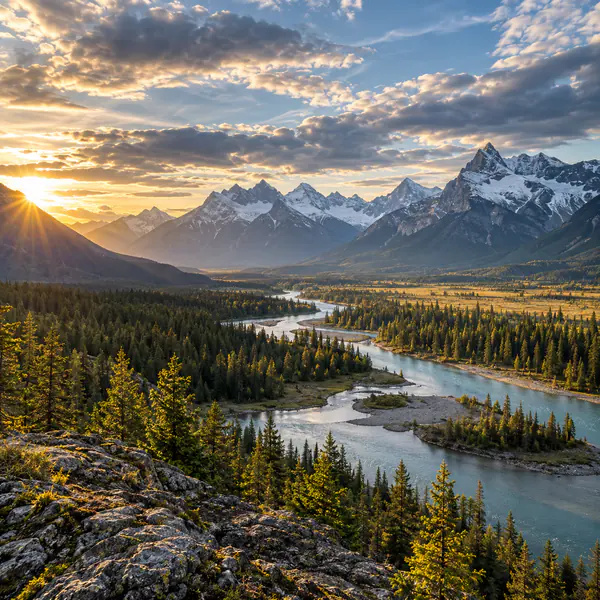
01Landscape Photography
Shows a broad natural scene, organizing land, water, and sky into a clear composition.
-
 02
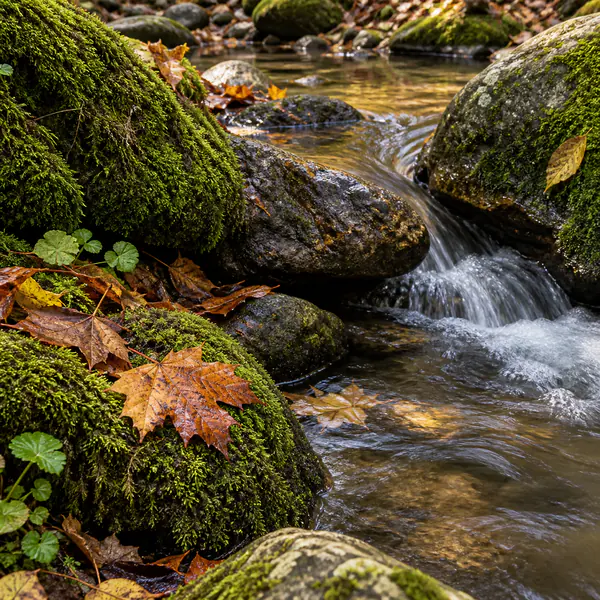
02Intimate Landscape
Focuses on a small natural scene rather than a wide vista, emphasizing relationships between nearby forms.
-
 03
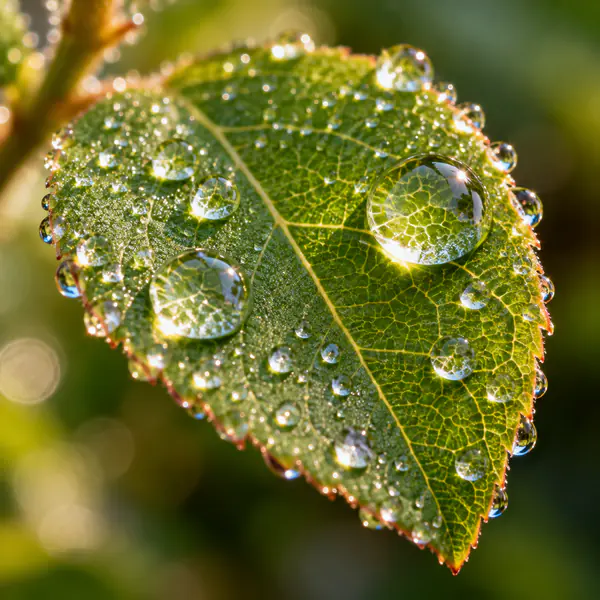
03Macro Nature Photography
Reveals small natural subjects at close range, making fine structures and surface details visually prominent.
-
 04
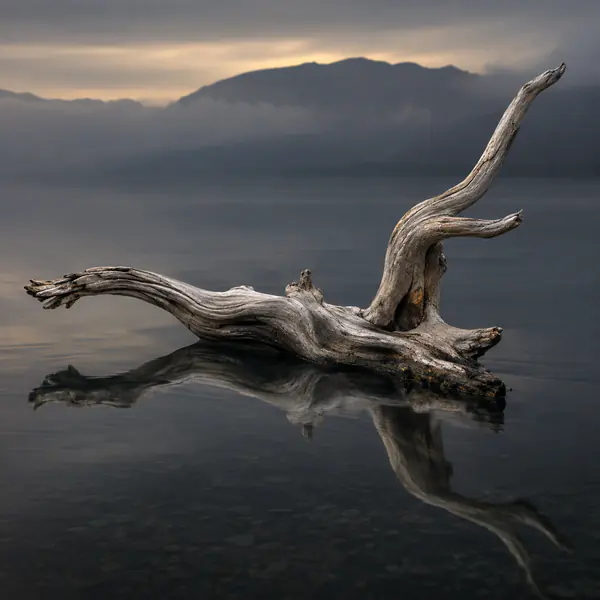
04Fine Art Nature Photography
Uses intentional composition and tonal treatment to express a personal interpretation of a natural subject.
-
 05
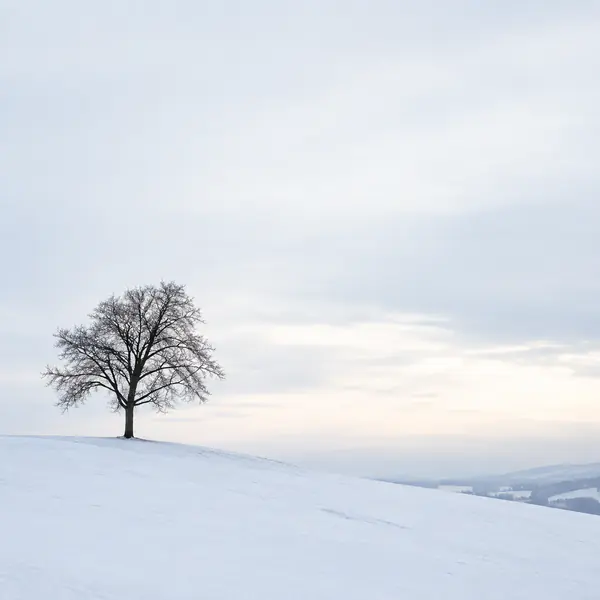
05Minimalist Landscape
Reduces a natural scene to a few essential shapes with generous areas of uninterrupted space.
-
 06
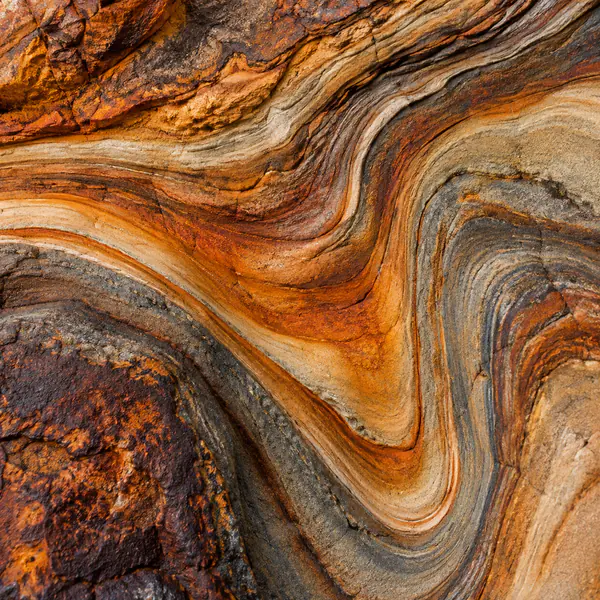
06Abstract Nature Photography
Emphasizes natural color, pattern, or form so the subject becomes secondary to the visual arrangement.
-
 07
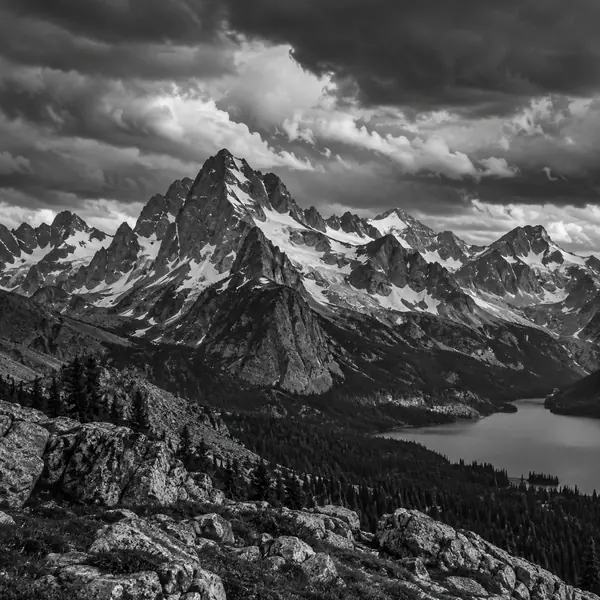
07Black and White Landscape
Uses grayscale tones to emphasize the landscape's structure, light, contrast, and texture.
-
 08
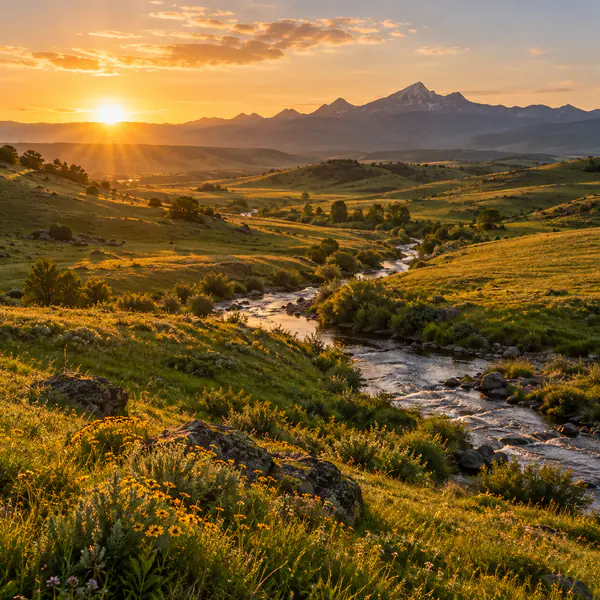
08Golden Hour Landscape
Uses low warm sunlight to bring color, depth, and gentle directional shadows to a natural scene.
-
 09
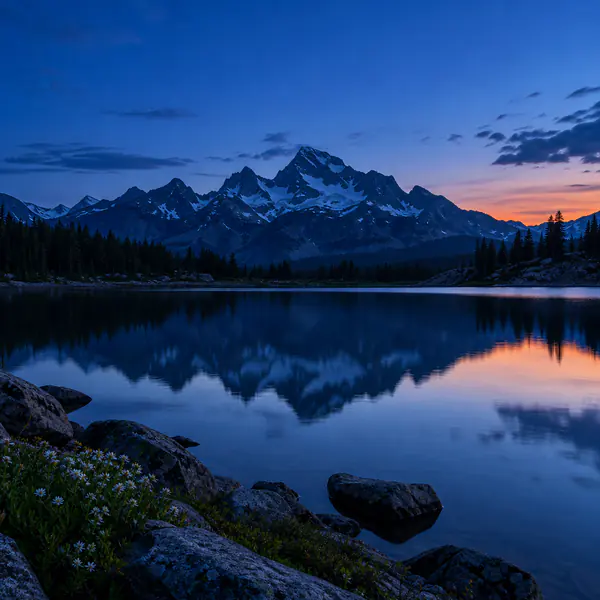
09Blue Hour Landscape
Captures the cool ambient tones of twilight, often balancing a darkening landscape with a luminous sky.
-
 10
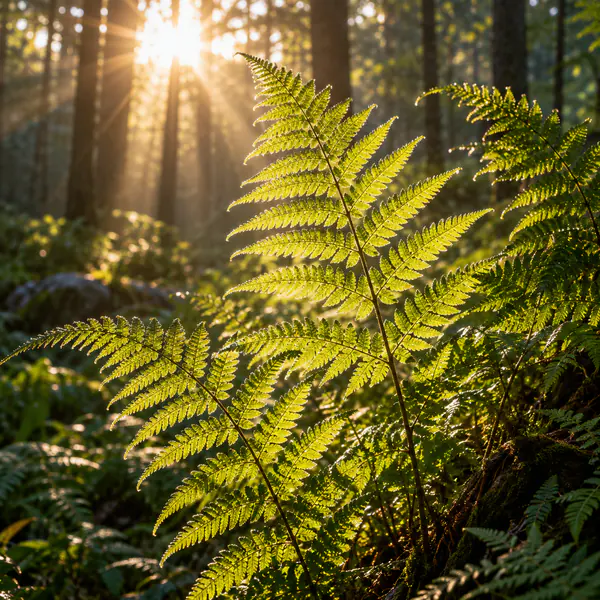
10Backlit Nature Photography
Places light behind natural subjects to reveal glowing edges, translucency, or atmospheric depth.
-
 11
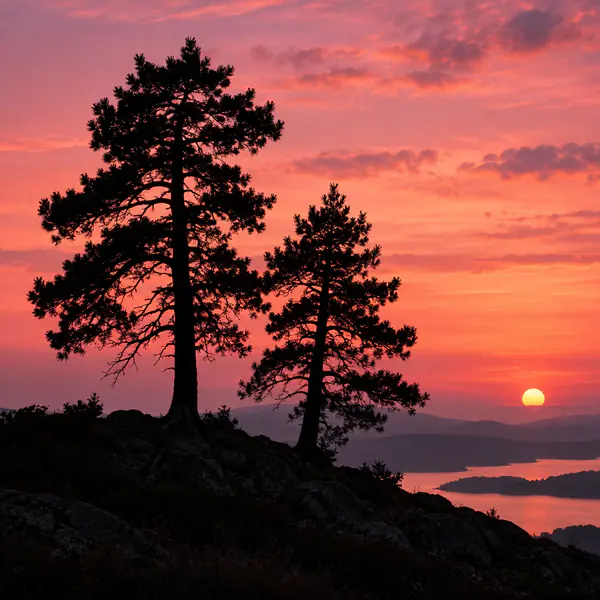
11Nature Silhouette
Shows natural forms as dark outlines against a brighter sky, water surface, or illuminated background.
-
 12
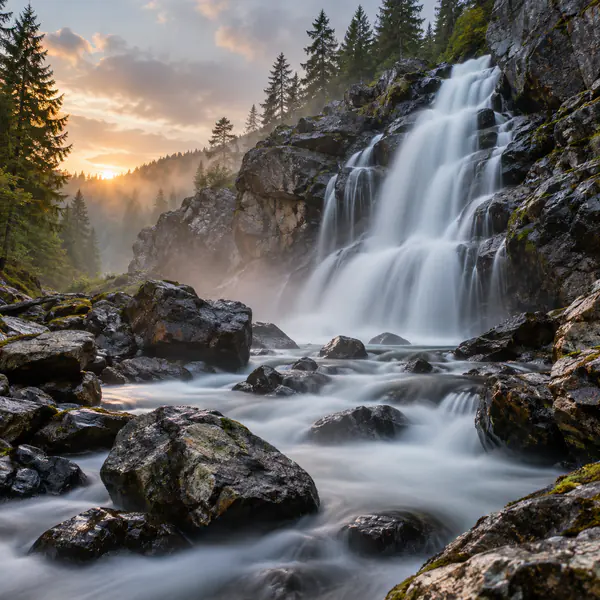
12Long Exposure Landscape
Uses a long exposure to soften moving water or clouds while stationary features remain defined.
-
 13
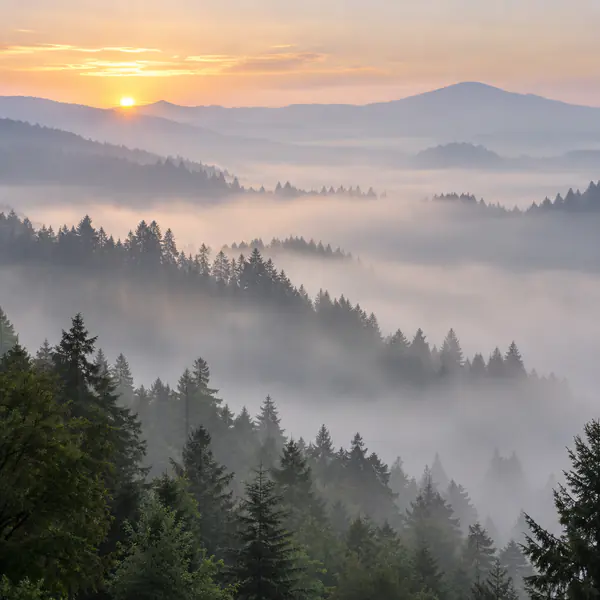
13Misty Landscape
Uses fog or mist to soften detail and separate the landscape into layers of changing visibility.
-
 14
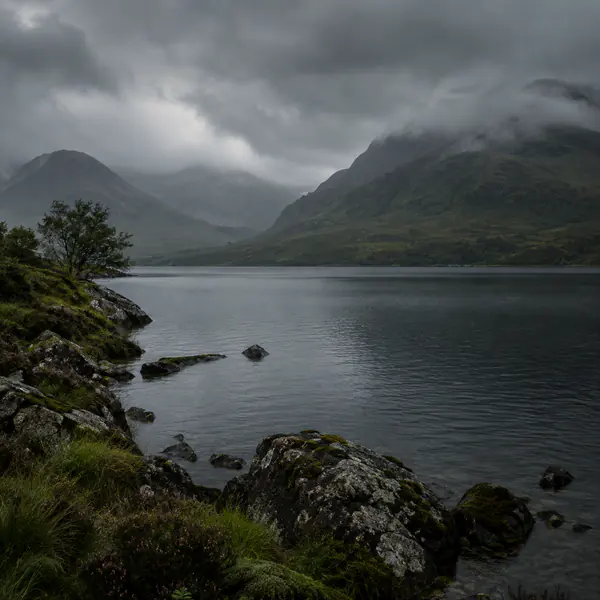
14Moody Landscape
Combines subdued light, restrained color, and atmosphere to create a contemplative or somber natural scene.
-
 15
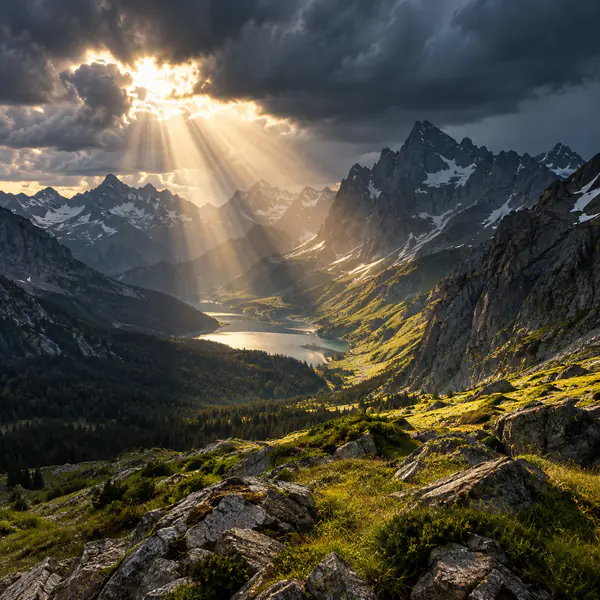
15Dramatic Landscape
Emphasizes strong light, weather, scale, or contrast to give a natural scene visual intensity.
-
 16
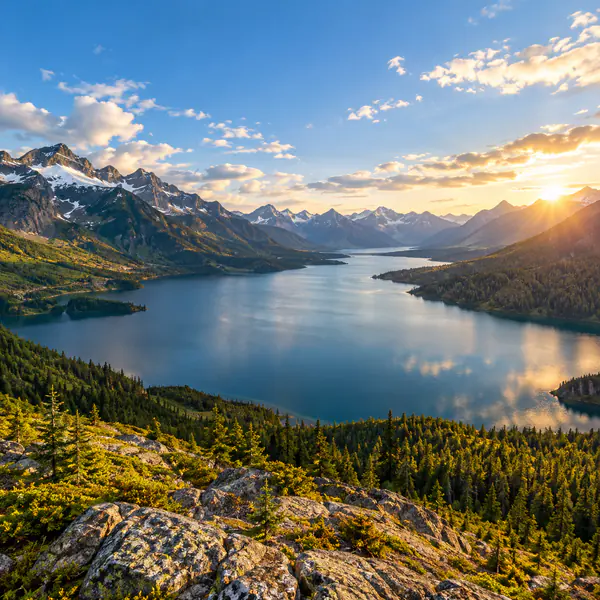
16Panoramic Landscape
Composes a scene across a broad horizontal sweep to communicate continuity and the extent of the setting.
-
 17
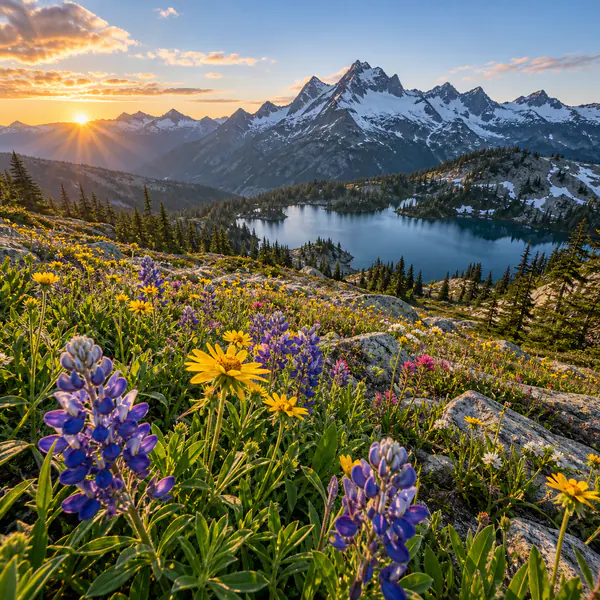
17Wide-Angle Landscape
Uses a wide field of view to emphasize foreground objects and the depth of the surrounding landscape.
-
 18
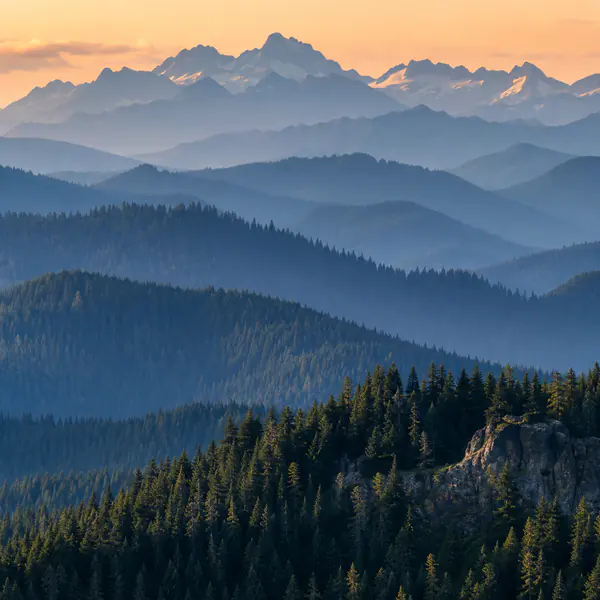
18Telephoto Landscape
Uses a narrow field of view to isolate distant features and visually compress layers of the landscape.
-
 19
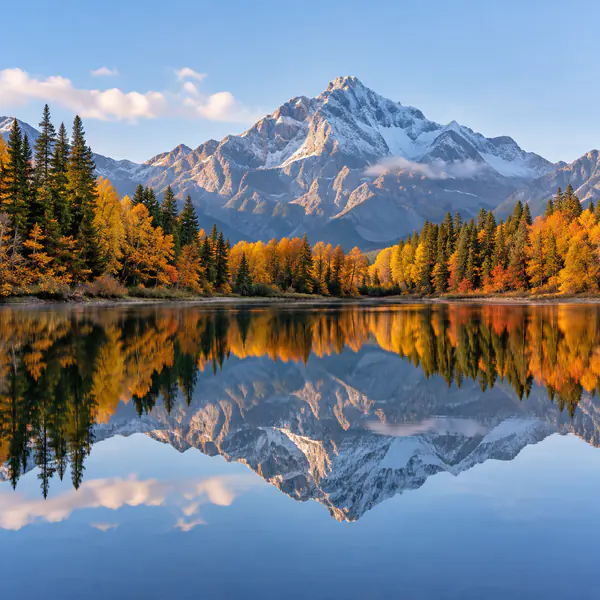
19Reflection Photography
Uses reflections in water or another natural surface as a central element of the composition.
-
 20
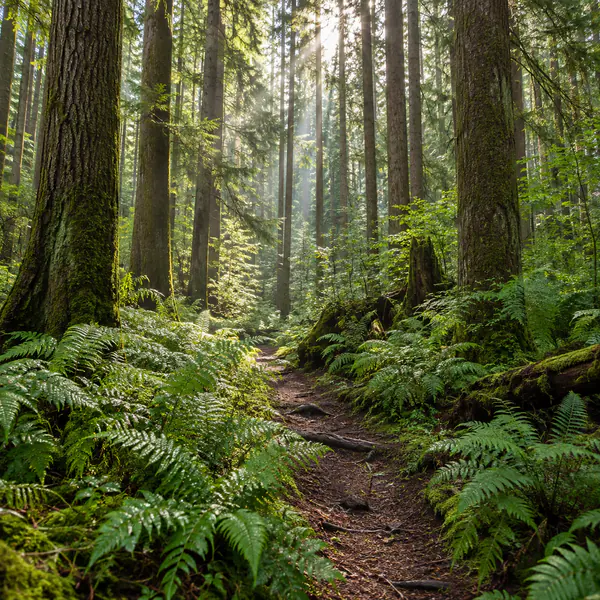
20Forest Photography
Photographs woodland through the arrangement of trees, undergrowth, light, and the depth between them.
-
 21
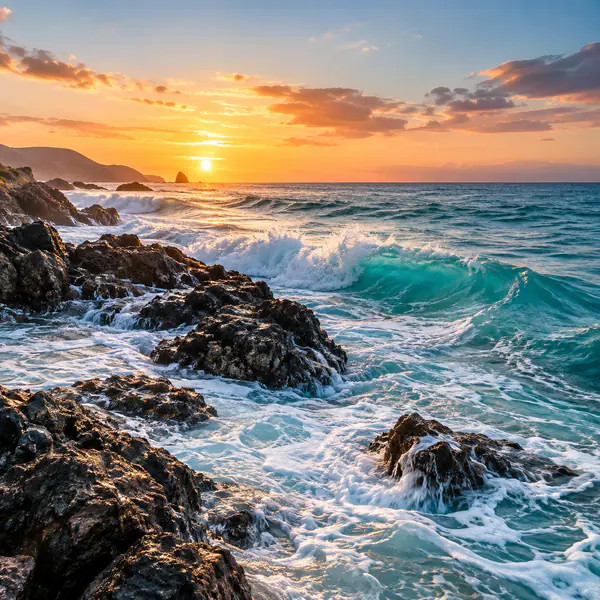
21Seascape Photography
Centers on the coast or sea, using waves, shorelines, water texture, and the horizon to shape the image.
-
 22
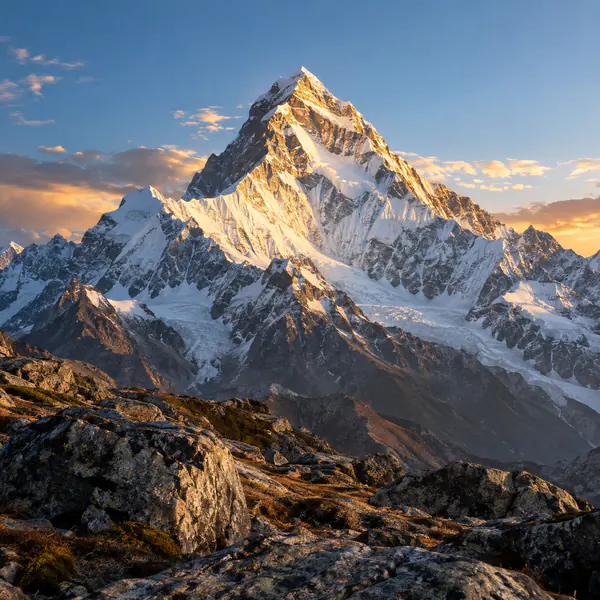
22Mountain Photography
Makes mountains the main subject, emphasizing their shapes, scale, texture, or relationship with changing light.
-
 23
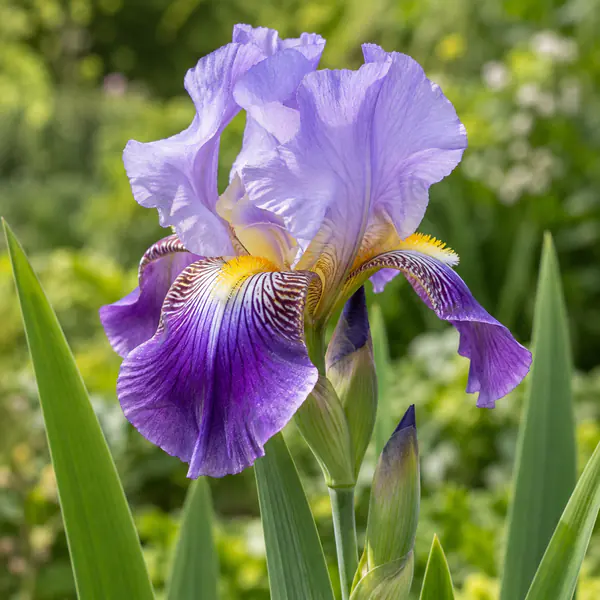
23Botanical Photography
Studies plants, flowers, or foliage through their form, color, growth, and structural detail.
-
 24
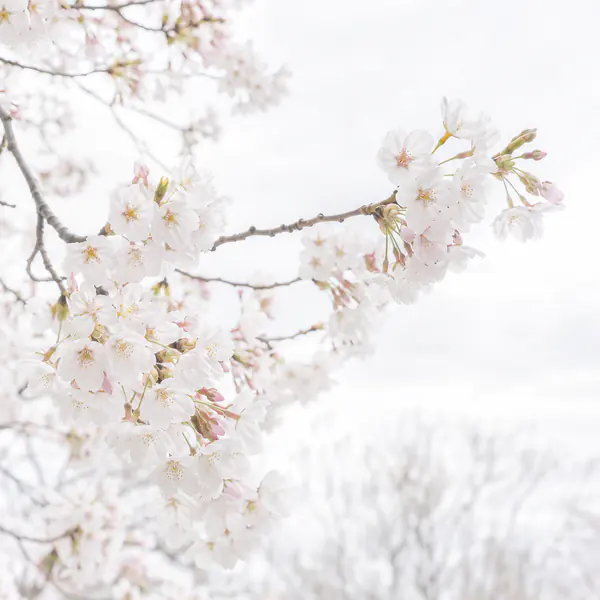
24High-Key Nature Photography
Uses predominantly light tones and soft contrast to create an airy image while retaining important natural detail.
-
 25
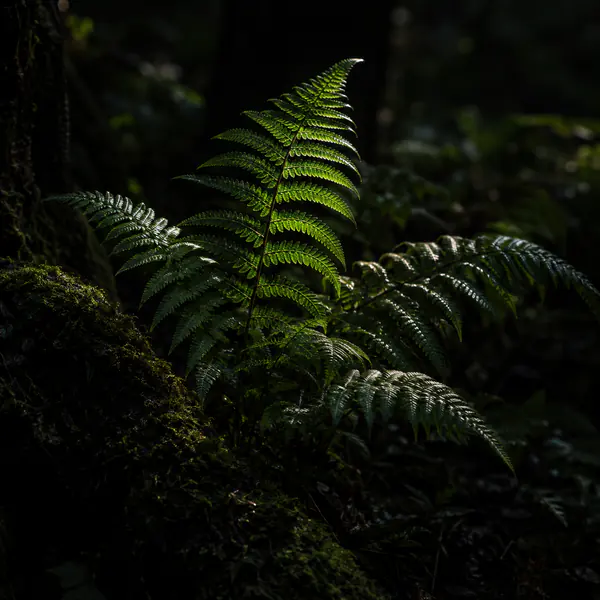
25Low-Key Nature Photography
Uses predominantly dark tones and selective highlights to isolate natural shapes or textures.
No keyword in this pack matches that search.