
-
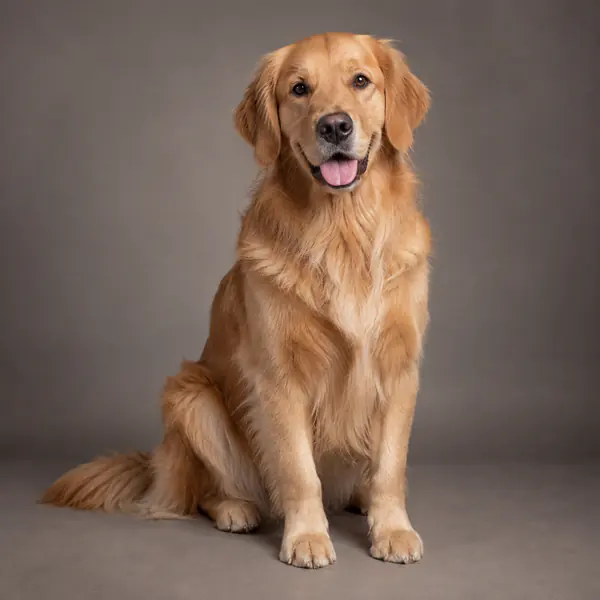 01
01Studio Pet Portrait
Photographs a pet against a controlled backdrop with deliberate lighting and a clear emphasis on its expression.
-
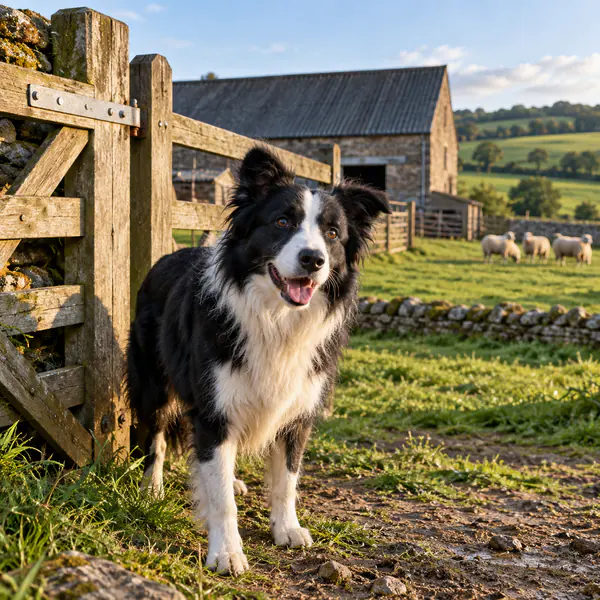 02
02Environmental Pet Portrait
Places the pet within a meaningful setting, using its surroundings to add context to the portrait.
-
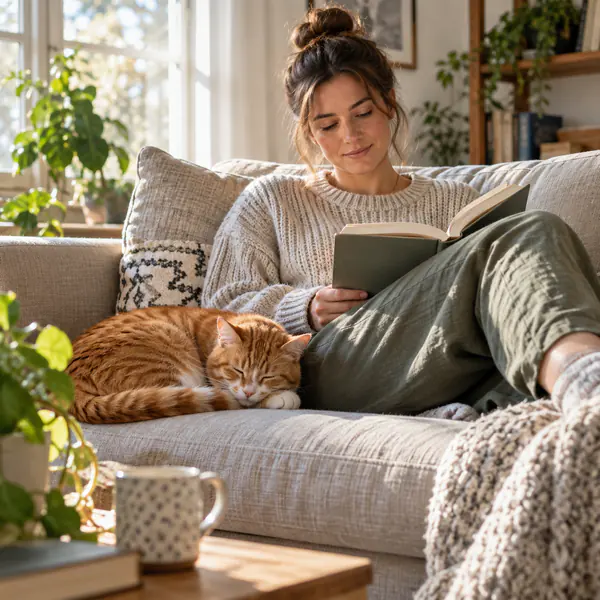 03
03Lifestyle Pet Photography
Shows pets within everyday home life through relaxed interactions, familiar surroundings, and natural light.
-
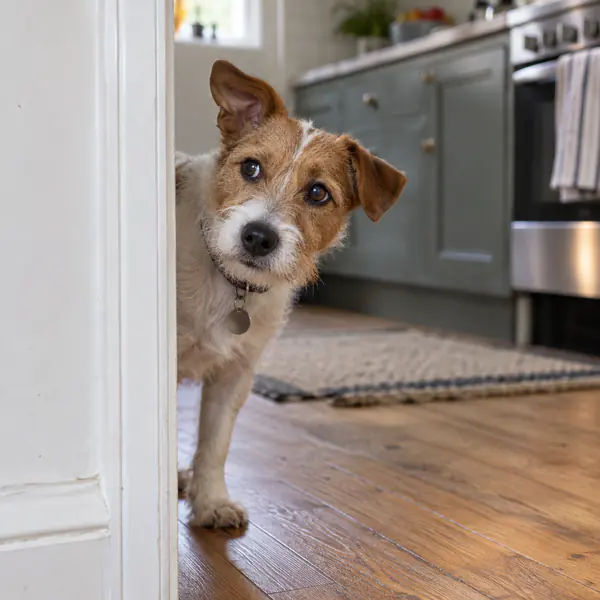 04
04Candid Pet Photography
Captures an unposed expression or spontaneous moment without arranging the pet into a formal portrait.
-
 05
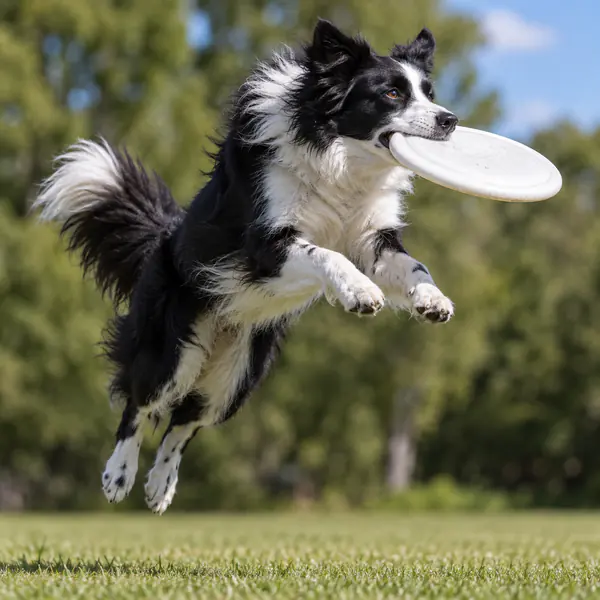
05Action Pet Photography
Freezes active movement to show a pet running, jumping, playing, or catching an object.
-
 06
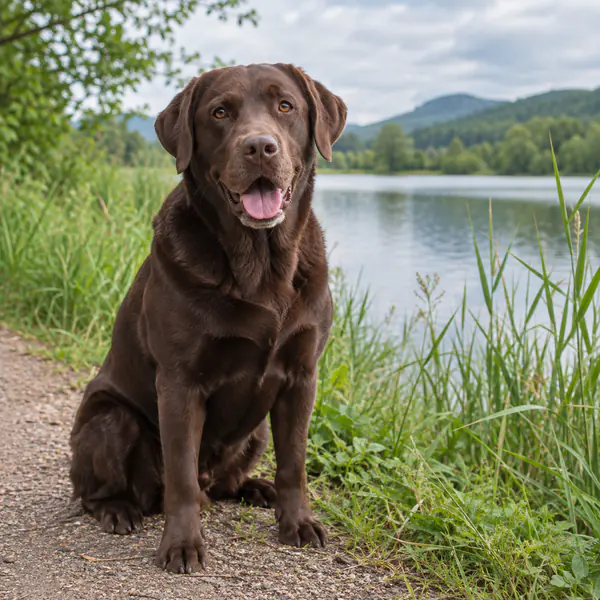
06Outdoor Pet Portrait
Uses an outdoor location and available light to create a portrait with a natural background.
-
 07
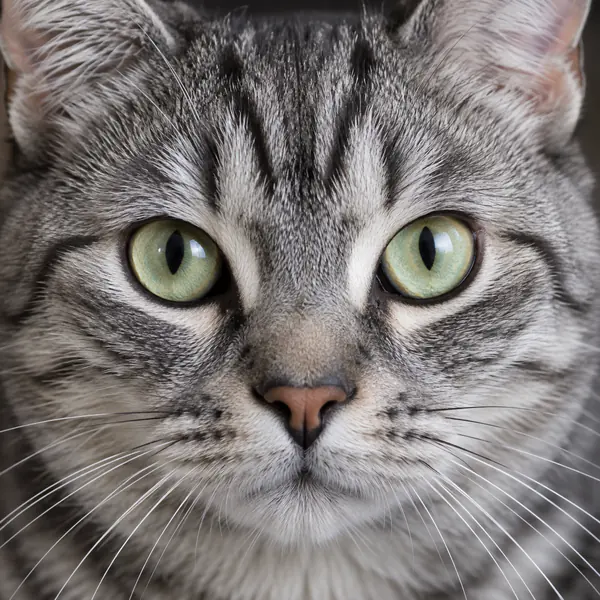
07Close-Up Pet Portrait
Fills most of the frame with the pet's face to emphasize its eyes, expression, and fur.
-
 08
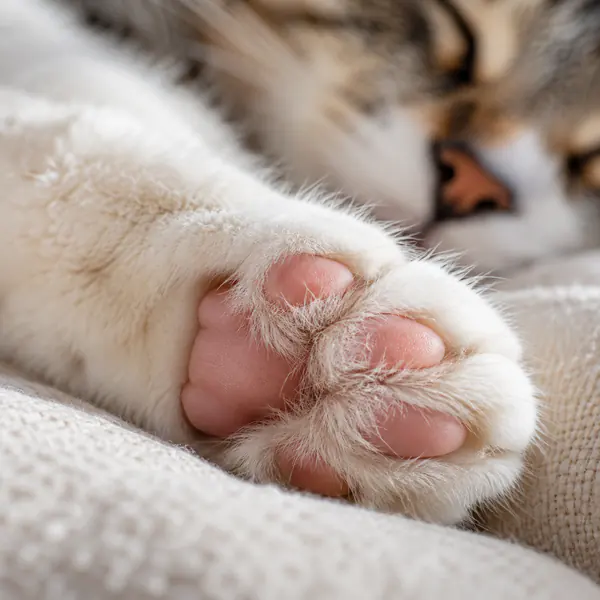
08Pet Detail Photography
Isolates a small feature such as a paw, nose, whiskers, or fur texture as the main subject.
-
 09
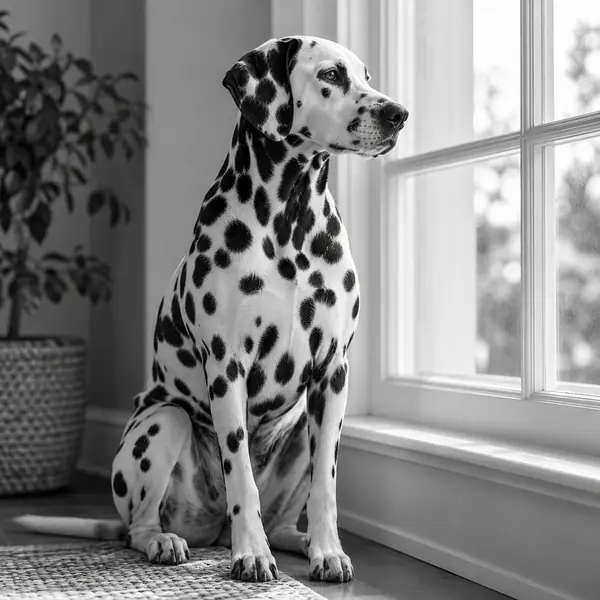
09Black and White Pet Photography
Removes color so the portrait depends on expression, tonal contrast, shape, and texture.
-
 10
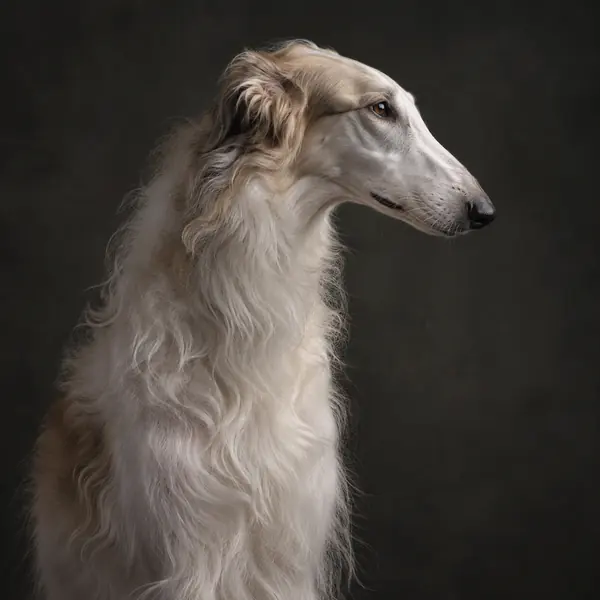
10Fine Art Pet Photography
Uses deliberate composition, lighting, and tonal treatment to create an expressive pet image for display.
-
 11
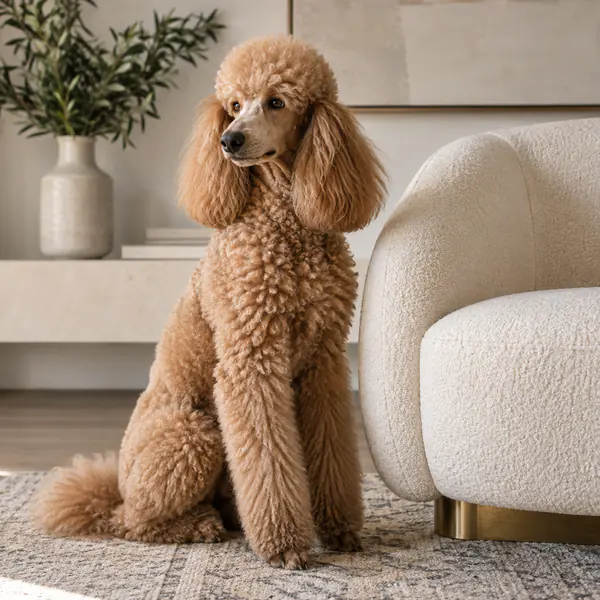
11Editorial Pet Photography
Presents a pet through a carefully directed image suited to a magazine story or brand feature.
-
 12
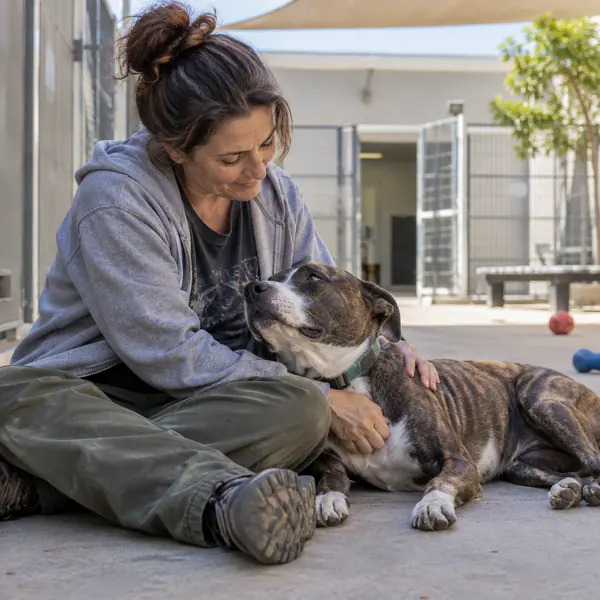
12Documentary Pet Photography
Records pets and their relationships with people through observational photographs of real-life situations.
-
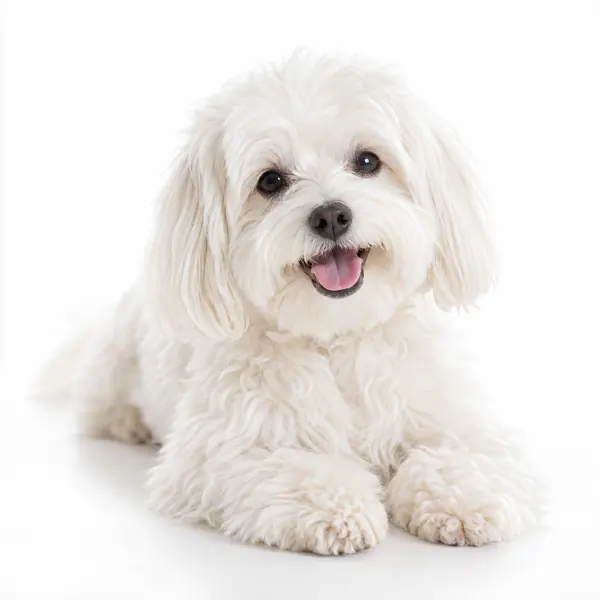 13
13High-Key Pet Portrait
Uses bright backgrounds, pale tones, and gentle shadows while preserving detail in the pet's face and coat.
-
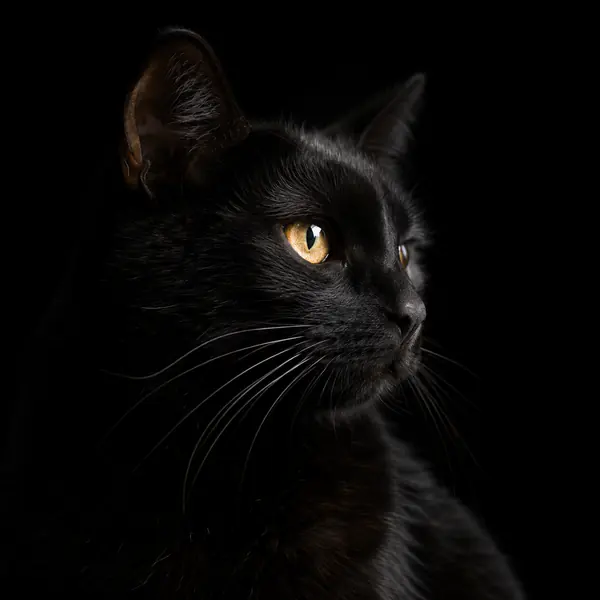 14
14Low-Key Pet Portrait
Uses dark tones and selective lighting to reveal the pet's form against a subdued background.
-
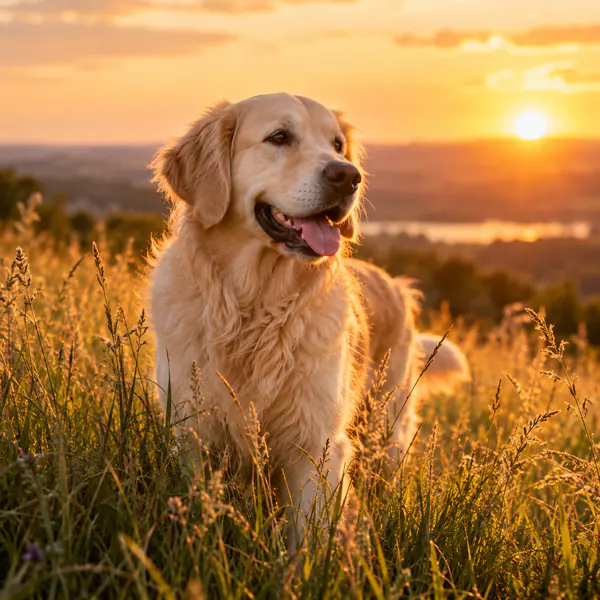 15
15Golden Hour Pet Photography
Uses warm sunlight near sunrise or sunset to create soft highlights and a gentle outdoor mood.
-
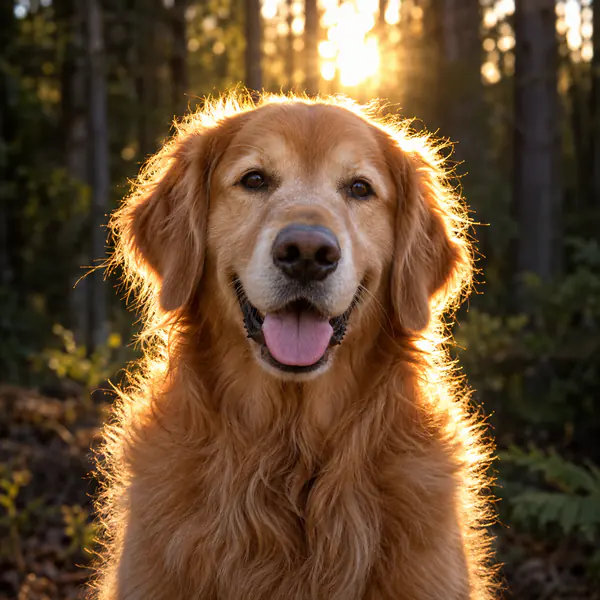 16
16Backlit Pet Portrait
Places the main light behind the pet to outline fur and separate its shape from the background.
-
 17
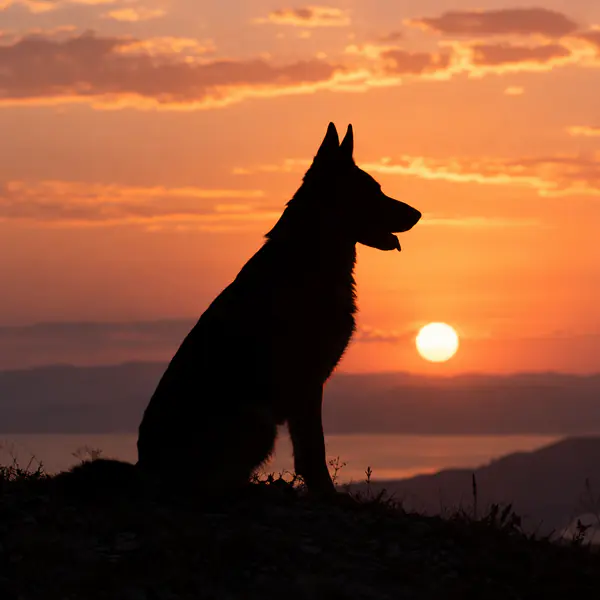
17Pet Silhouette
Renders the pet as a dark recognizable outline against a much brighter background.
-
 18
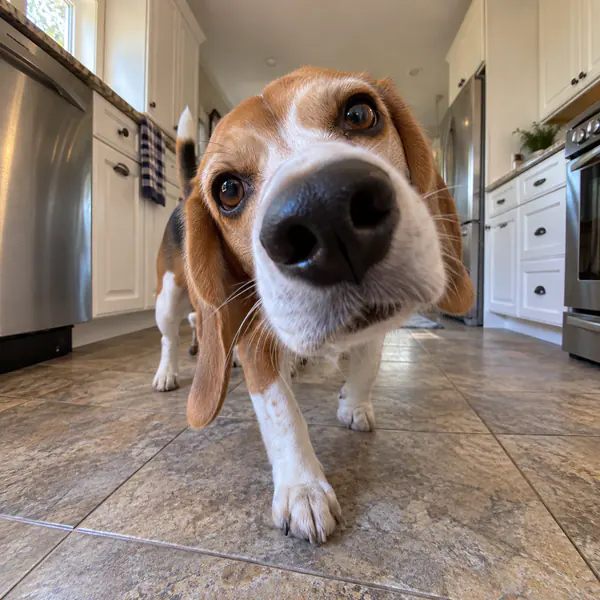
18Wide-Angle Pet Portrait
Uses a wide field of view and close distance to exaggerate perspective and include surrounding space.
-
 19
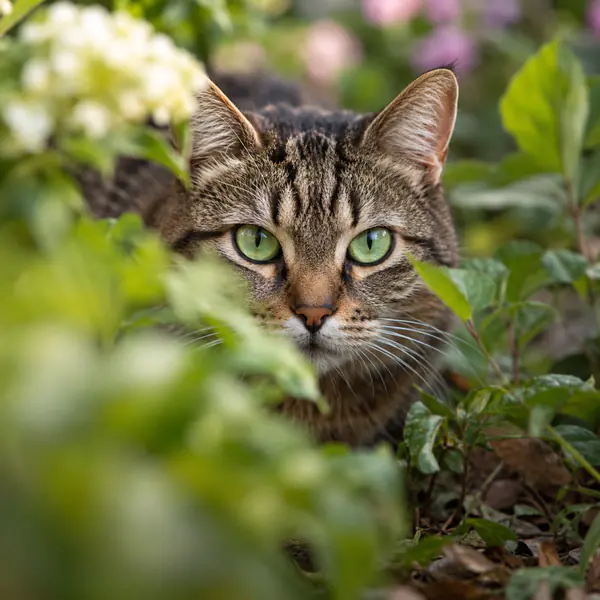
19Shallow Depth of Field
Keeps the pet's important features sharp while allowing the foreground and background to fall out of focus.
-
 20
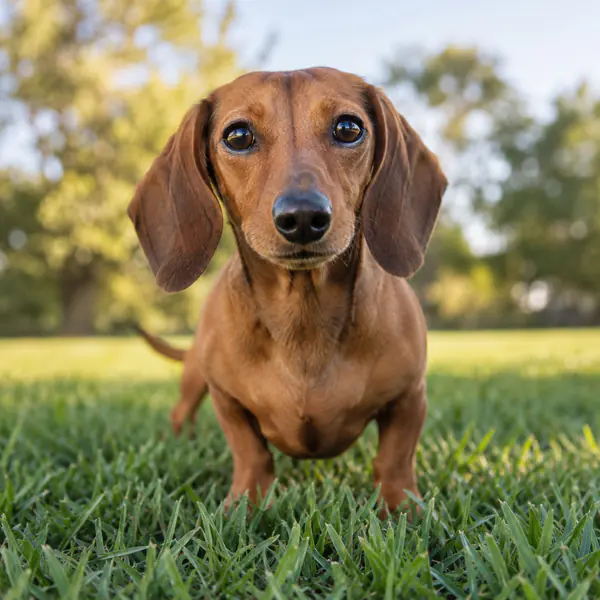
20Eye-Level Pet Photography
Positions the camera at the pet's eye height to create a direct and familiar viewing relationship.
-
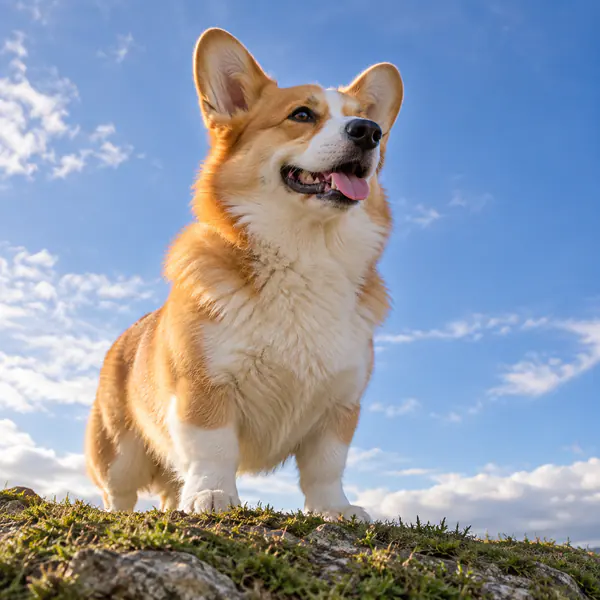 21
21Low-Angle Pet Photography
Places the camera below the pet's eye line to emphasize its presence against the space above it.
-
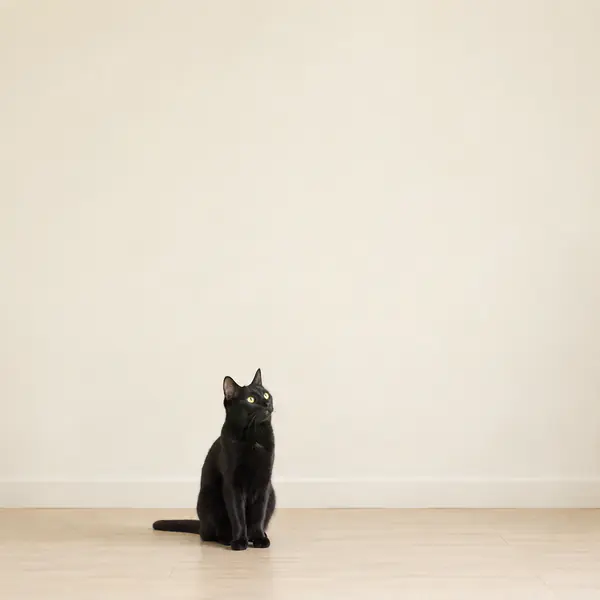 22
22Minimalist Pet Photography
Uses few visual elements and generous empty space to keep attention on the pet's shape or expression.
-
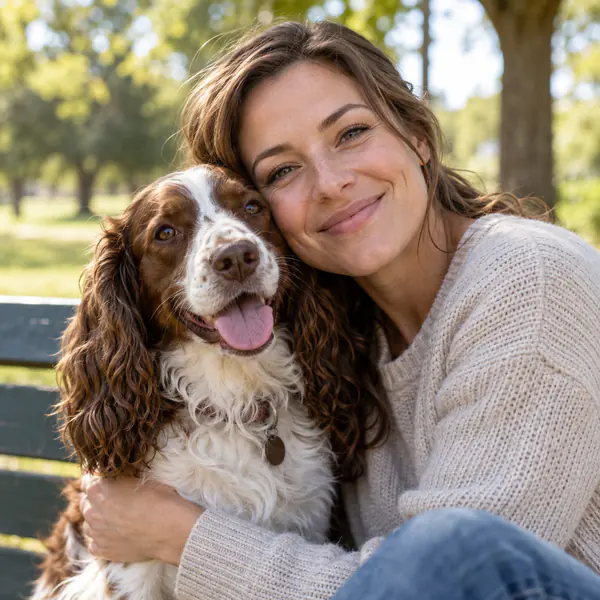 23
23Pet and Owner Portrait
Photographs a pet together with its owner, emphasizing their physical closeness, interaction, or shared expression.
-
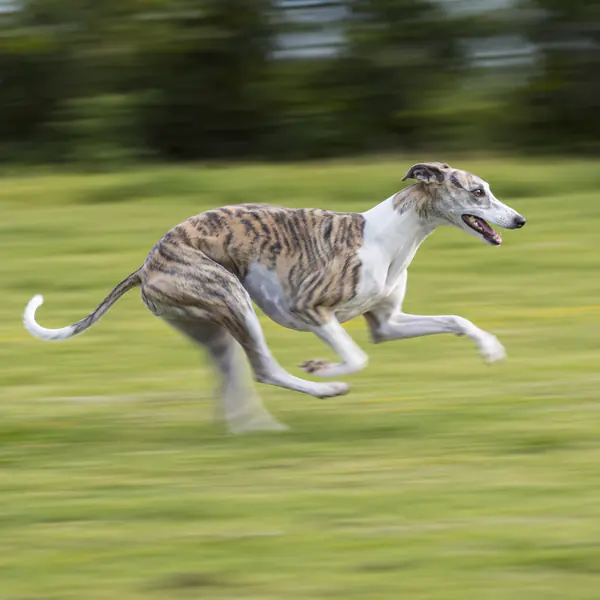 24
24Panning Pet Photography
Follows a moving pet with the camera so the pet stays relatively clear against a streaked background.
-
 25
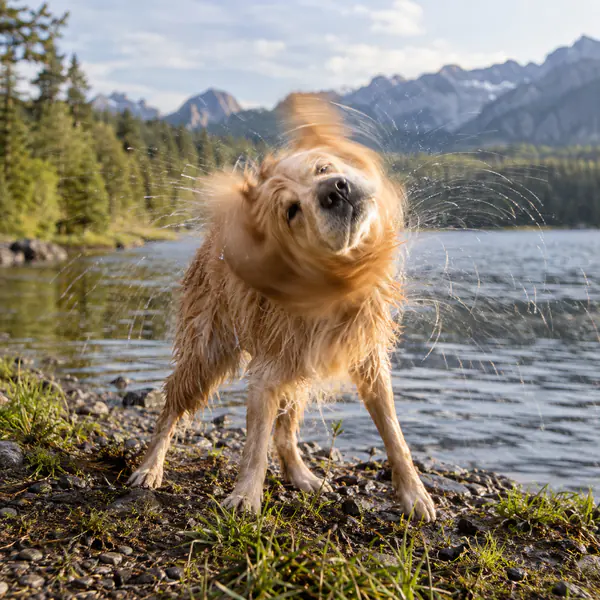
25Motion Blur Pet Photography
Uses a slower exposure to make the pet's movement visible as intentional blur within the image.
No keyword in this pack matches that search.