Garden and Landscape Design

Outdoor spaces, planting styles and landscape treatments. Every keyword shows its own picture beside a plain description — tap an image to see it up close.

Showing 25 of 25

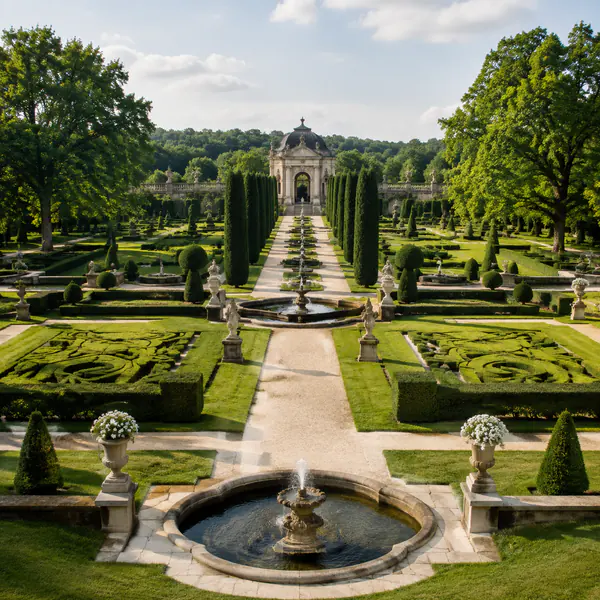
  • Formal Garden — Uses symmetry, axes, clipped planting, geometric beds, and controlled views to create an ordered landscape
    01

    Formal Garden

    Uses symmetry, axes, clipped planting, geometric beds, and controlled views to create an ordered landscape.

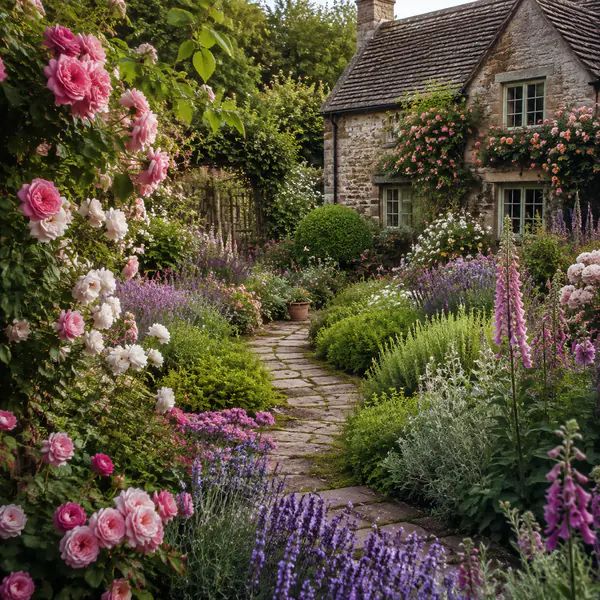
  • English Cottage Garden — Layers flowering perennials, herbs, shrubs, and informal paths for a dense, relaxed appearance
    02

    English Cottage Garden

    Layers flowering perennials, herbs, shrubs, and informal paths for a dense, relaxed appearance.

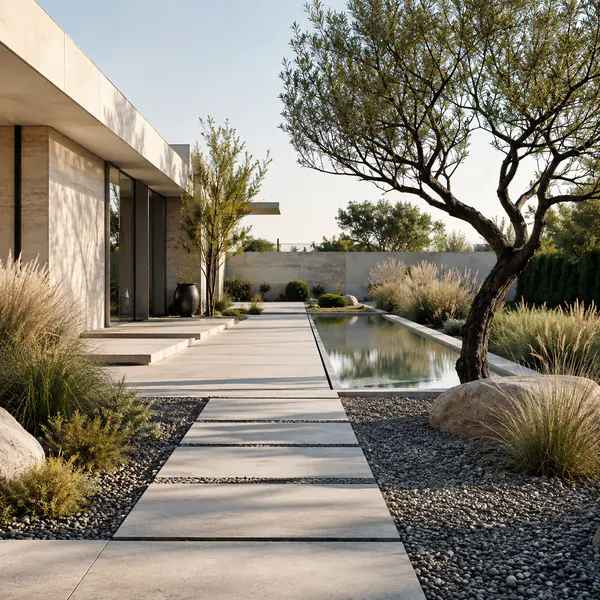
  • Modern Minimalist Garden — Uses simple geometry, limited materials, controlled planting, and generous open space
    03

    Modern Minimalist Garden

    Uses simple geometry, limited materials, controlled planting, and generous open space.

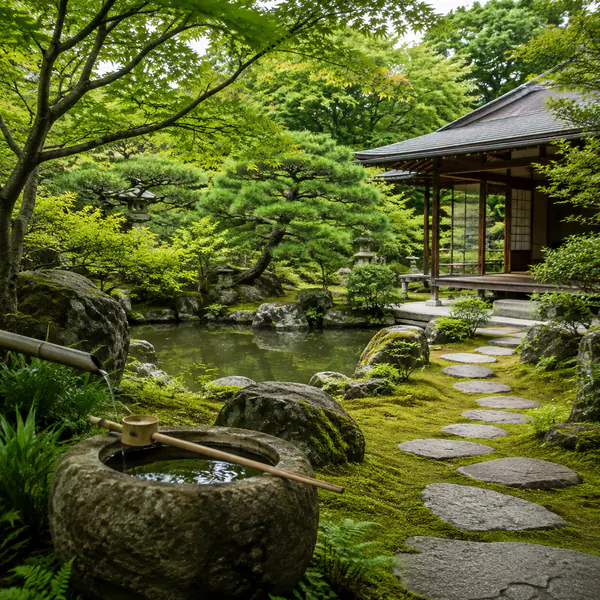
  • Japanese Garden — Balances stone, water, moss, carefully shaped plants, and framed views to create calm spatial sequences
    04

    Japanese Garden

    Balances stone, water, moss, carefully shaped plants, and framed views to create calm spatial sequences.

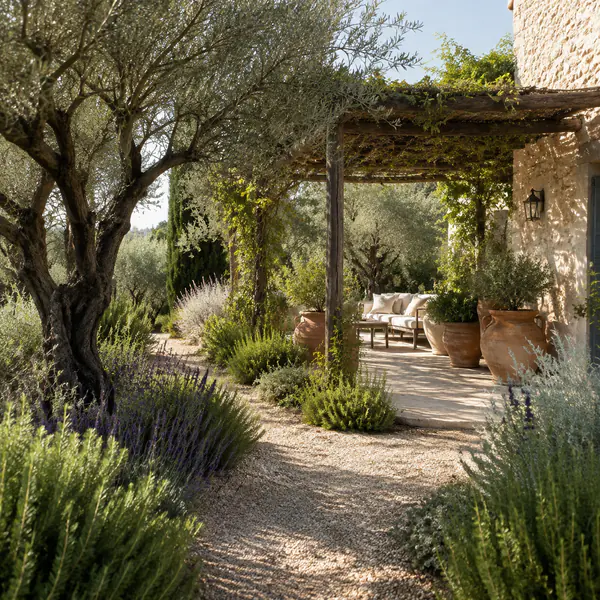
  • Mediterranean Garden — Uses drought-tolerant herbs, olives, gravel, terracotta, pale stone, and shaded outdoor rooms
    05

    Mediterranean Garden

    Uses drought-tolerant herbs, olives, gravel, terracotta, pale stone, and shaded outdoor rooms.

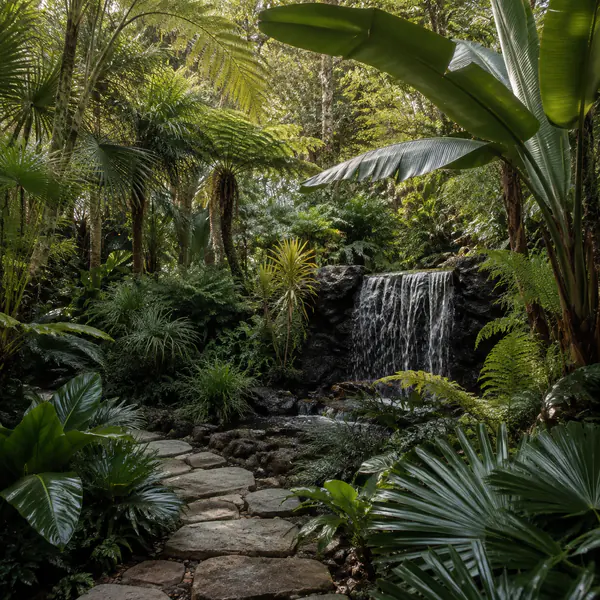
  • Tropical Garden — Combines large-leaf plants, palms, layered canopy, humidity-tolerant species, and dense green texture
    06

    Tropical Garden

    Combines large-leaf plants, palms, layered canopy, humidity-tolerant species, and dense green texture.

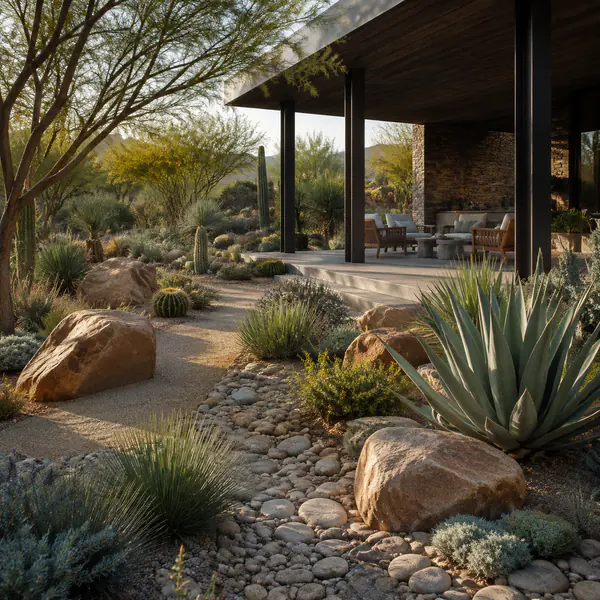
  • Desert Xeriscape — Reduces irrigation through drought-tolerant plants, gravel, stone, and water-efficient soil design
    07

    Desert Xeriscape

    Reduces irrigation through drought-tolerant plants, gravel, stone, and water-efficient soil design.

  • Native Plant Garden — Uses locally adapted species to support habitat, climate resilience, and lower maintenance
    08

    Native Plant Garden

    Uses locally adapted species to support habitat, climate resilience, and lower maintenance.

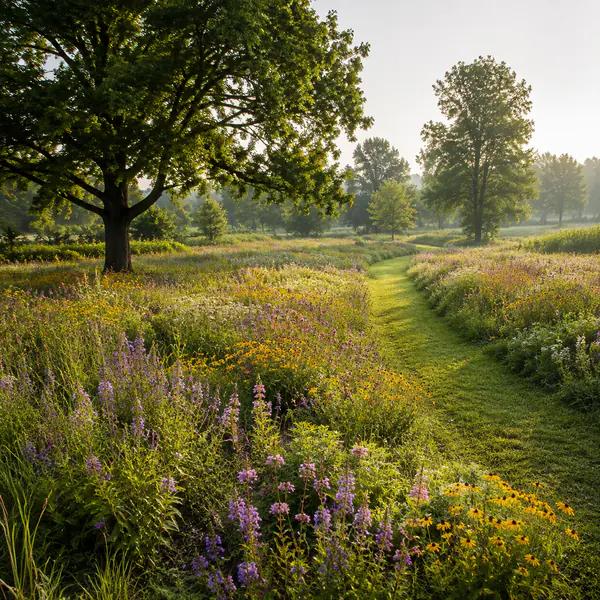
  • Wildflower Meadow — Uses broad naturalistic drifts of seasonal flowers and grasses rather than formal beds
    09

    Wildflower Meadow

    Uses broad naturalistic drifts of seasonal flowers and grasses rather than formal beds.

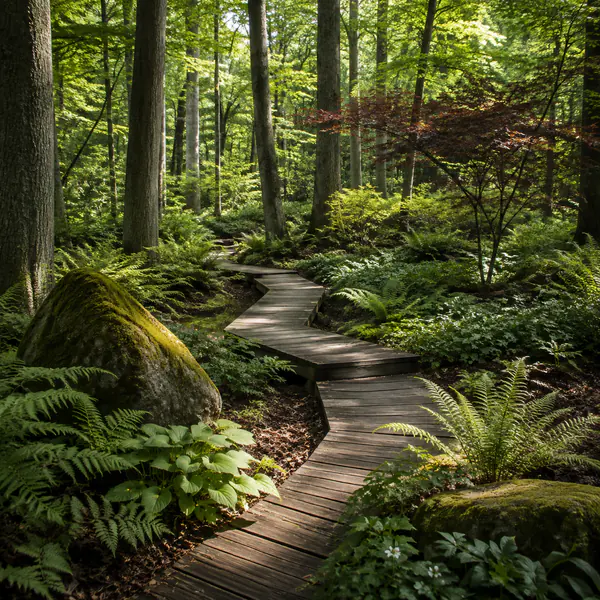
  • Woodland Garden — Builds a shaded landscape under trees with ferns, groundcover, leaf litter, and informal paths
    10

    Woodland Garden

    Builds a shaded landscape under trees with ferns, groundcover, leaf litter, and informal paths.

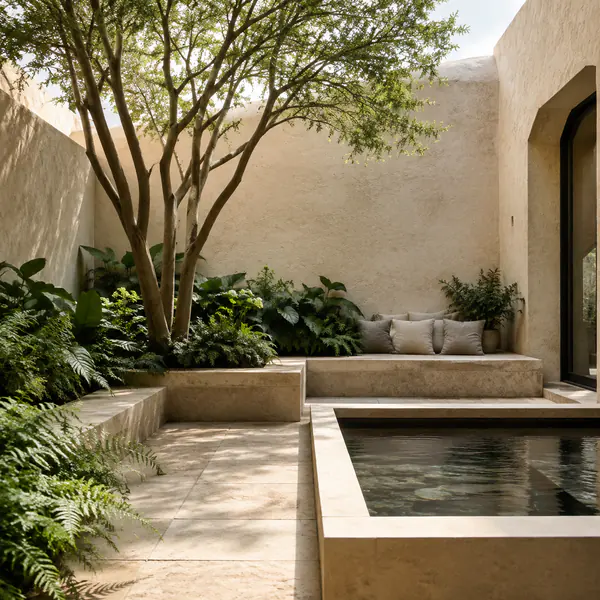
  • Courtyard Garden — Fits planting, seating, shade, and water into an enclosed or partly enclosed outdoor room
    11

    Courtyard Garden

    Fits planting, seating, shade, and water into an enclosed or partly enclosed outdoor room.

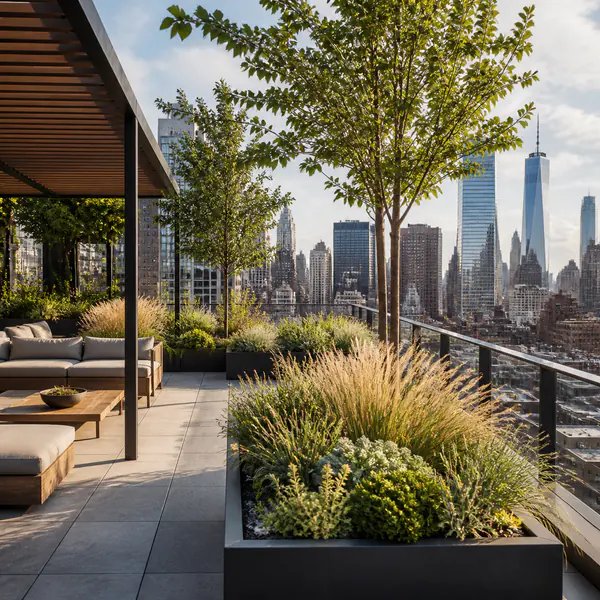
  • Rooftop Garden — Places planting and outdoor amenities on a roof while considering wind, weight, drainage, and exposure
    12

    Rooftop Garden

    Places planting and outdoor amenities on a roof while considering wind, weight, drainage, and exposure.

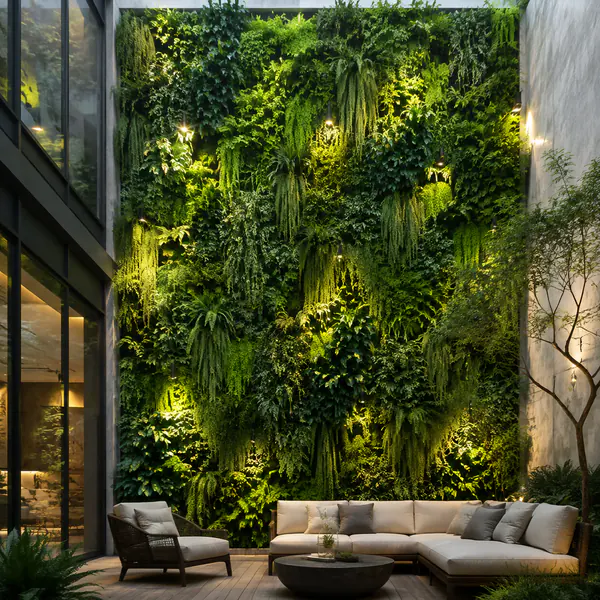
  • Vertical Garden — Grows plants across a wall or freestanding vertical system to add greenery where floor space is limited
    13

    Vertical Garden

    Grows plants across a wall or freestanding vertical system to add greenery where floor space is limited.

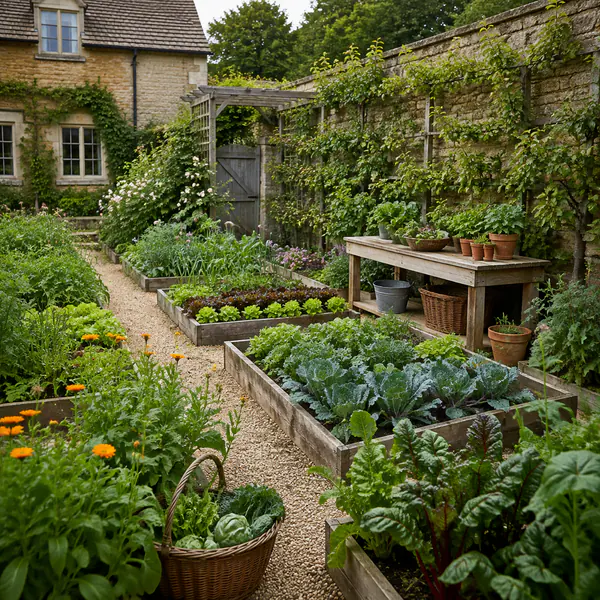
  • Kitchen Garden — Organizes edible herbs, vegetables, fruit, and flowers in productive beds close to the home or kitchen
    14

    Kitchen Garden

    Organizes edible herbs, vegetables, fruit, and flowers in productive beds close to the home or kitchen.

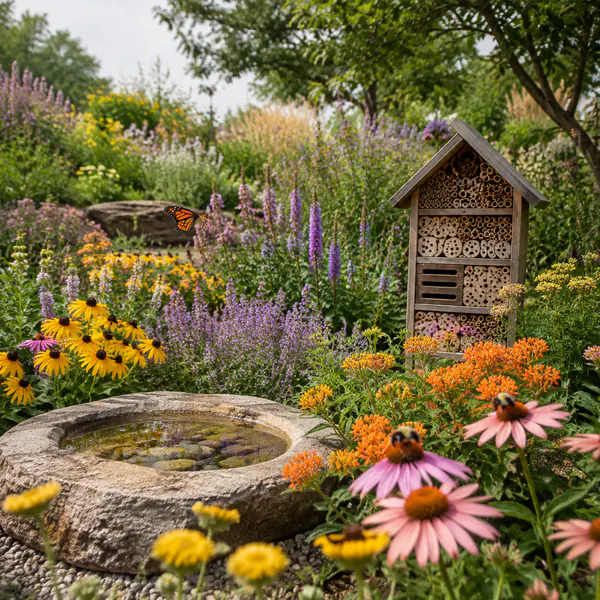
  • Pollinator Garden — Uses nectar-rich and host plants that support bees, butterflies, and other beneficial insects
    15

    Pollinator Garden

    Uses nectar-rich and host plants that support bees, butterflies, and other beneficial insects.

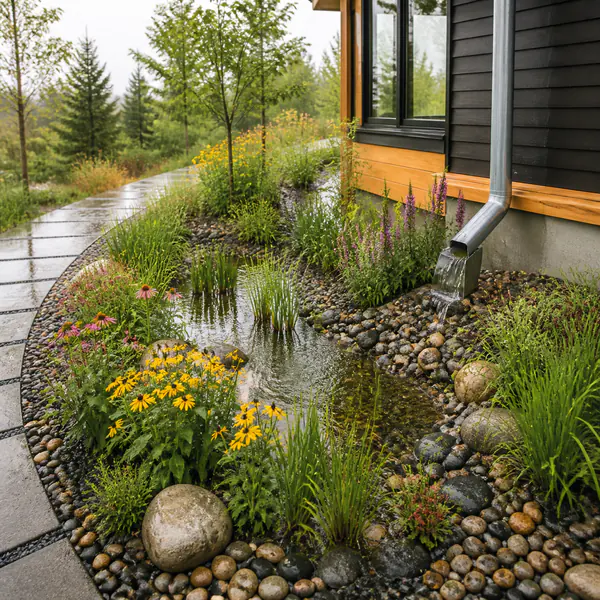
  • Rain Garden — Collects and filters stormwater in a planted depression using moisture-tolerant species and free-draining soil
    16

    Rain Garden

    Collects and filters stormwater in a planted depression using moisture-tolerant species and free-draining soil.

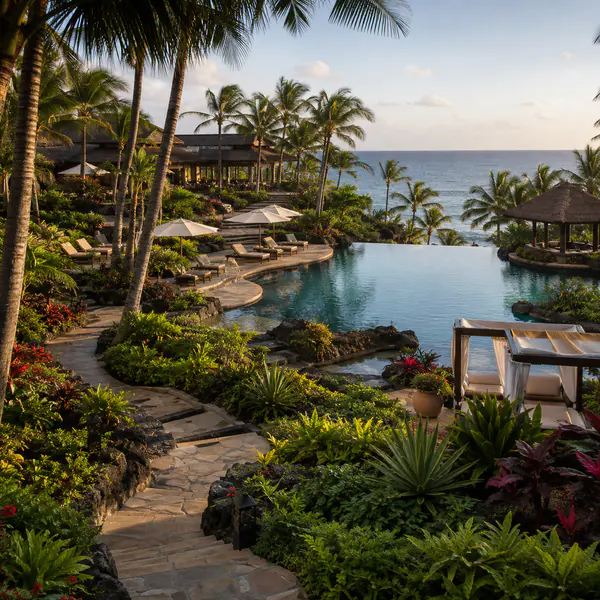
  • Resort Landscape — Combines pools, terraces, lush planting, shade, paths, and hospitality seating into a coordinated destination setting
    17

    Resort Landscape

    Combines pools, terraces, lush planting, shade, paths, and hospitality seating into a coordinated destination setting.

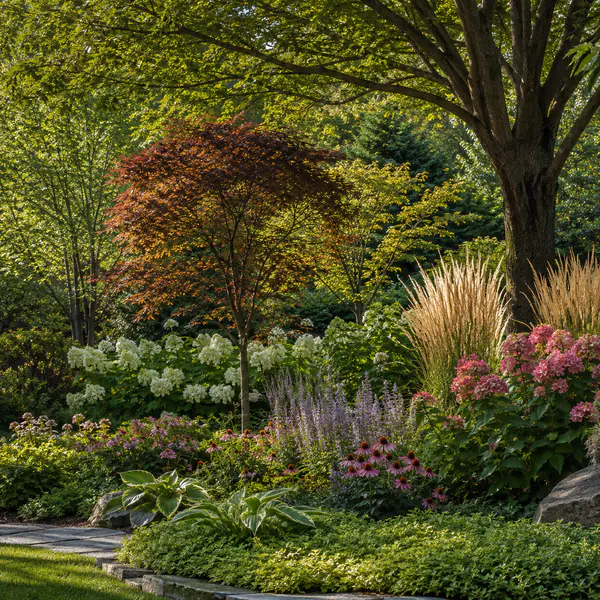
  • Layered Planting — Arranges canopy trees, understory plants, shrubs, perennials, grasses, and groundcover in visible layers
    18

    Layered Planting

    Arranges canopy trees, understory plants, shrubs, perennials, grasses, and groundcover in visible layers.

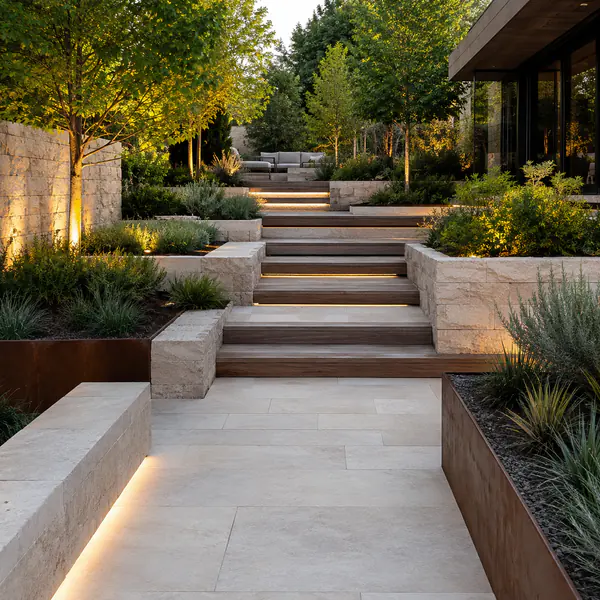
  • Hardscape Design — Coordinates non-plant elements such as paving, walls, steps, decks, edging, and built seating
    19

    Hardscape Design

    Coordinates non-plant elements such as paving, walls, steps, decks, edging, and built seating.

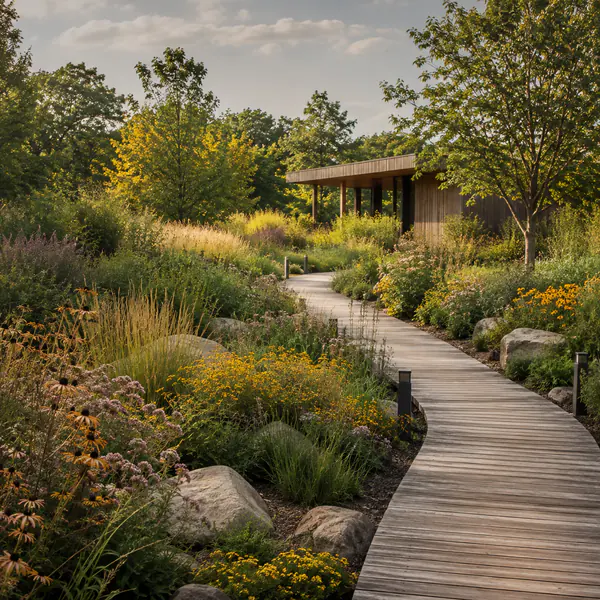
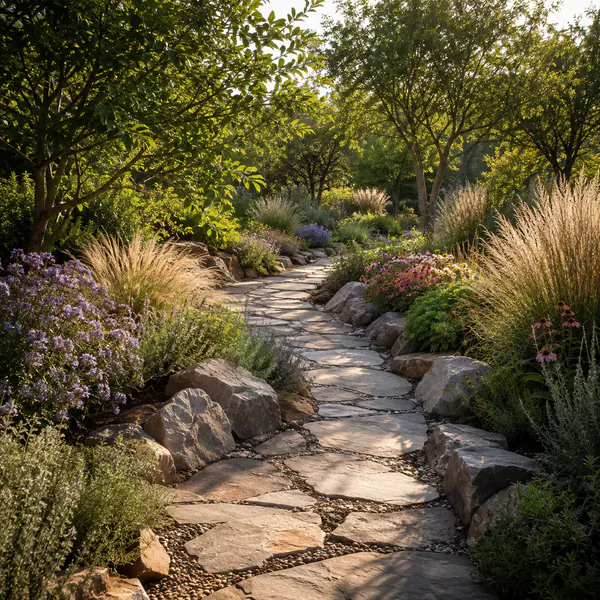
  • Garden Path — Guides movement and views through the landscape using a deliberate route, width, surface, and edge treatment
    20

    Garden Path

    Guides movement and views through the landscape using a deliberate route, width, surface, and edge treatment.

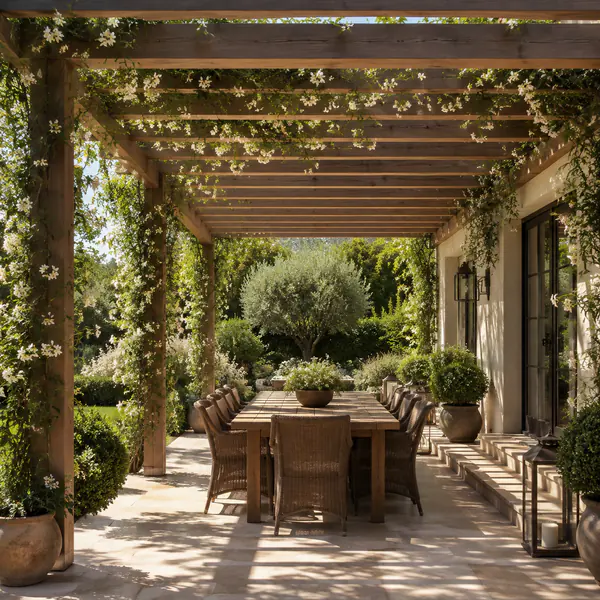
  • Pergola — Creates a partially shaded outdoor structure using posts and overhead beams, often combined with climbing plants
    21

    Pergola

    Creates a partially shaded outdoor structure using posts and overhead beams, often combined with climbing plants.

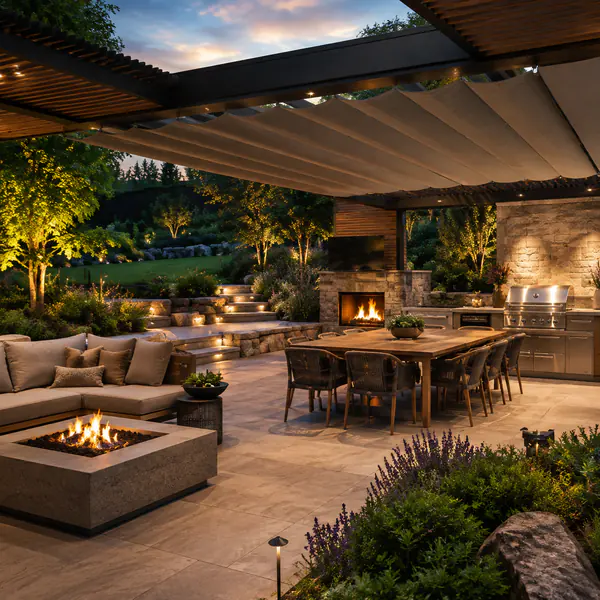
  • Outdoor Living Area — Extends indoor activities outside through comfortable seating, dining, cooking, shade, and weather protection
    22

    Outdoor Living Area

    Extends indoor activities outside through comfortable seating, dining, cooking, shade, and weather protection.

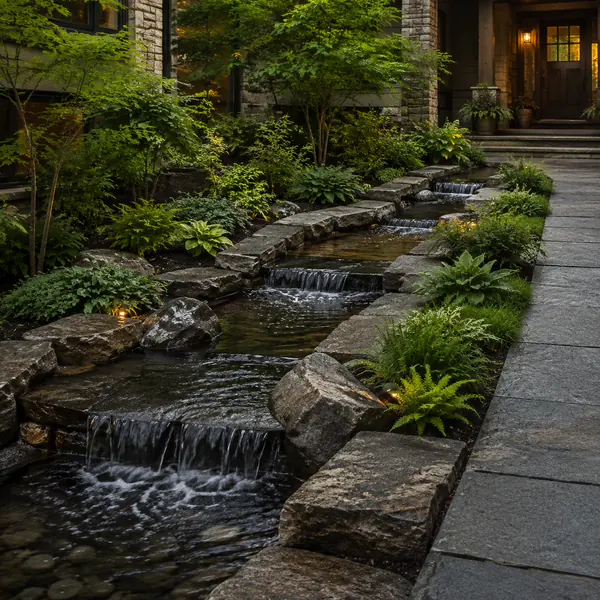
  • Water Feature — Introduces moving or still water as a focal point, cooling element, sound source, or habitat
    23

    Water Feature

    Introduces moving or still water as a focal point, cooling element, sound source, or habitat.

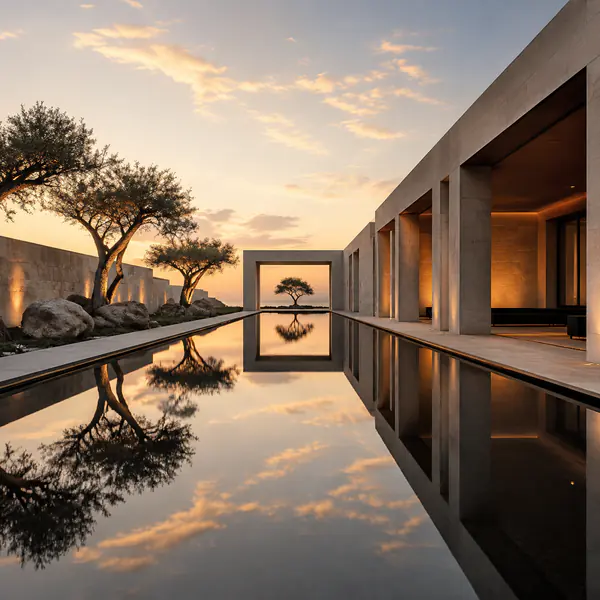
  • Reflecting Pool — Uses a shallow still-water surface to mirror architecture, sky, and planting with minimal disturbance
    24

    Reflecting Pool

    Uses a shallow still-water surface to mirror architecture, sky, and planting with minimal disturbance.

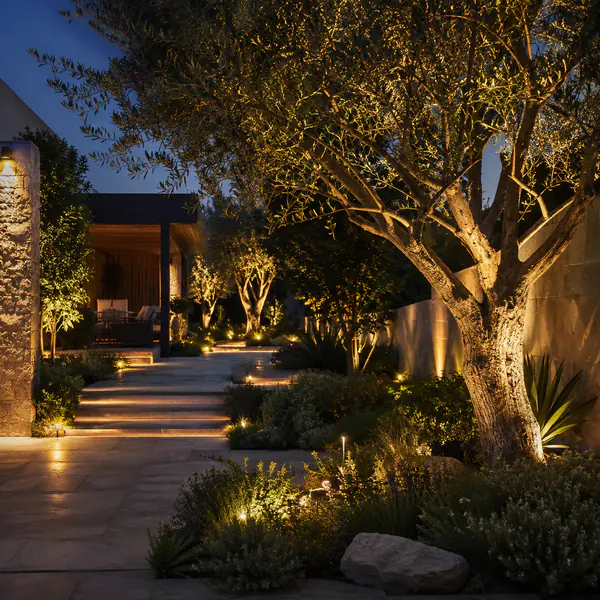
  • Landscape Lighting — Uses concealed or visible fixtures to illuminate paths, plants, walls, steps, and outdoor gathering areas after dark
    25

    Landscape Lighting

    Uses concealed or visible fixtures to illuminate paths, plants, walls, steps, and outdoor gathering areas after dark.