Cities

Urban environments, scales and viewpoints. Every keyword shows its own picture beside a plain description — tap an image to see it up close.

Showing 25 of 25

  • Modern Metropolis — Describes a large contemporary city with high-rise buildings, dense infrastructure, and active public life
    01

    Modern Metropolis

    Describes a large contemporary city with high-rise buildings, dense infrastructure, and active public life.

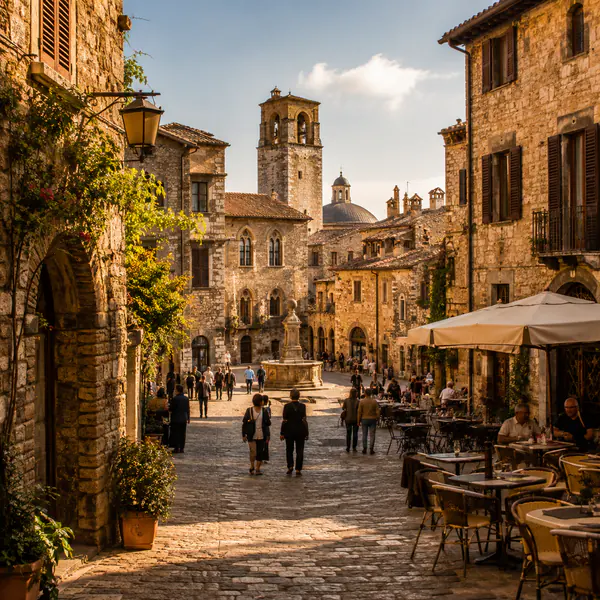
  • Historic Old Town — Centers on preserved streets, traditional buildings, small public spaces, and visible architectural history
    02

    Historic Old Town

    Centers on preserved streets, traditional buildings, small public spaces, and visible architectural history.

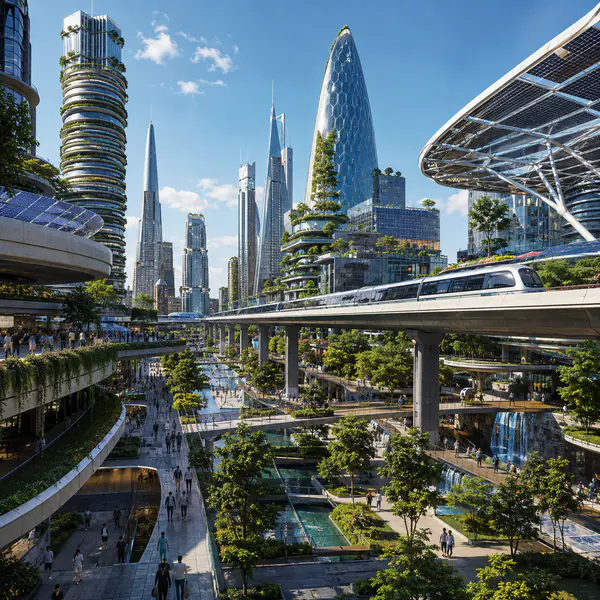
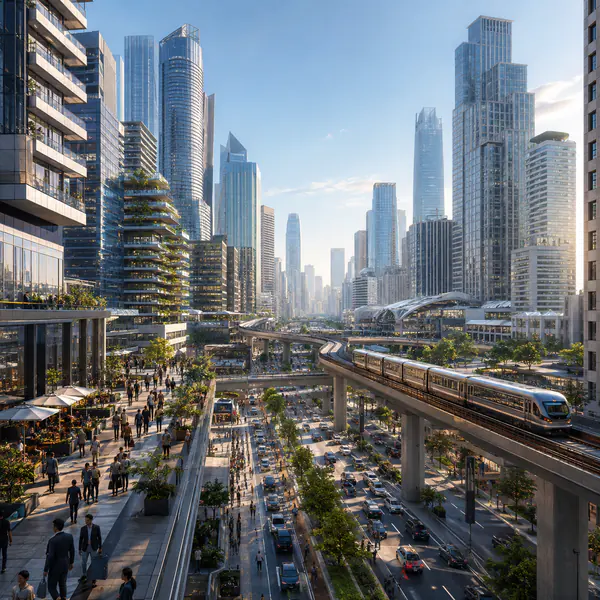
  • Futuristic City — Imagines advanced buildings, transport, infrastructure, and public spaces beyond current urban design
    03

    Futuristic City

    Imagines advanced buildings, transport, infrastructure, and public spaces beyond current urban design.

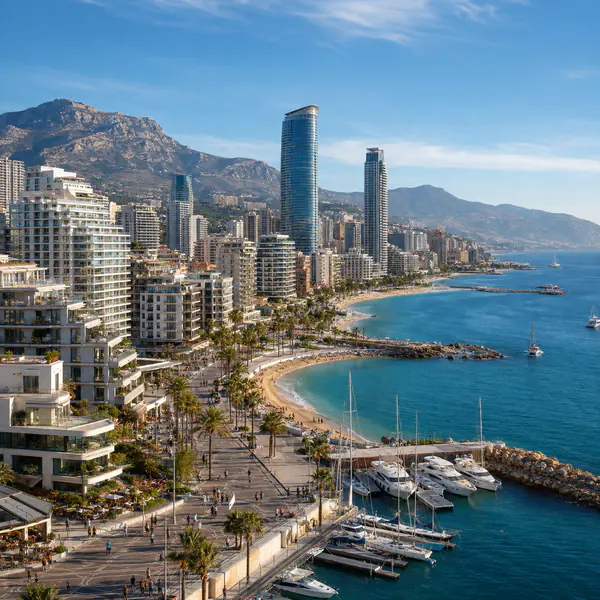
  • Coastal City — Places urban districts beside the sea with waterfront streets, ports, beaches, or marine infrastructure
    04

    Coastal City

    Places urban districts beside the sea with waterfront streets, ports, beaches, or marine infrastructure.

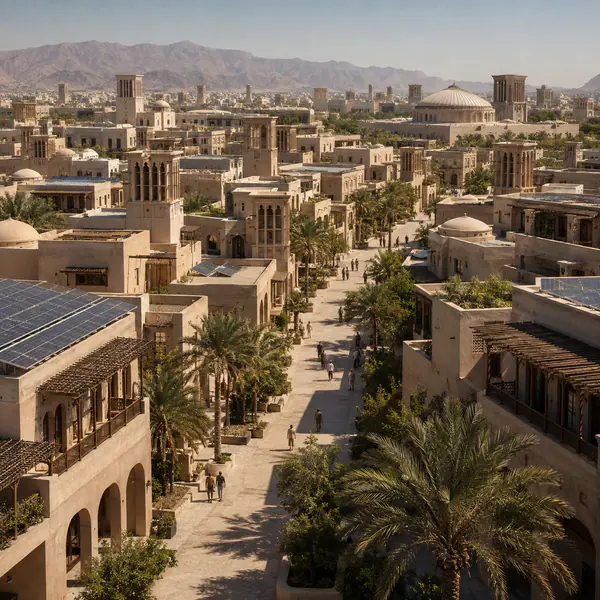
  • Desert City — Adapts streets and buildings to intense sun, heat, dust, scarce water, and arid vegetation
    05

    Desert City

    Adapts streets and buildings to intense sun, heat, dust, scarce water, and arid vegetation.

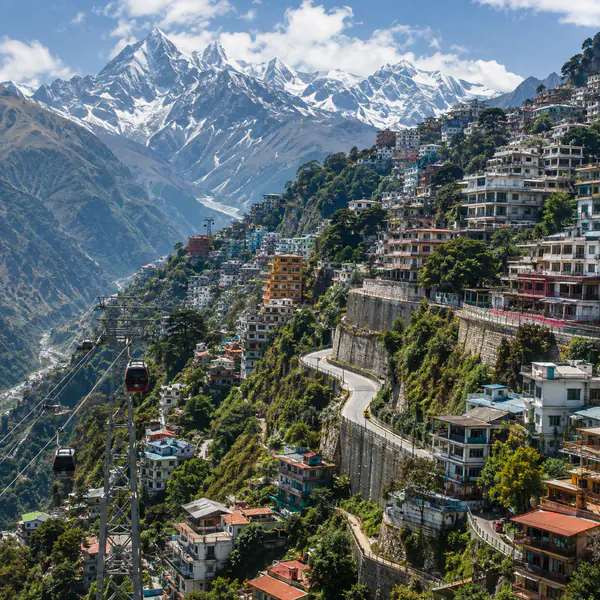
  • Mountain City — Follows steep terrain with terraced neighborhoods, winding roads, retaining walls, and elevated views
    06

    Mountain City

    Follows steep terrain with terraced neighborhoods, winding roads, retaining walls, and elevated views.

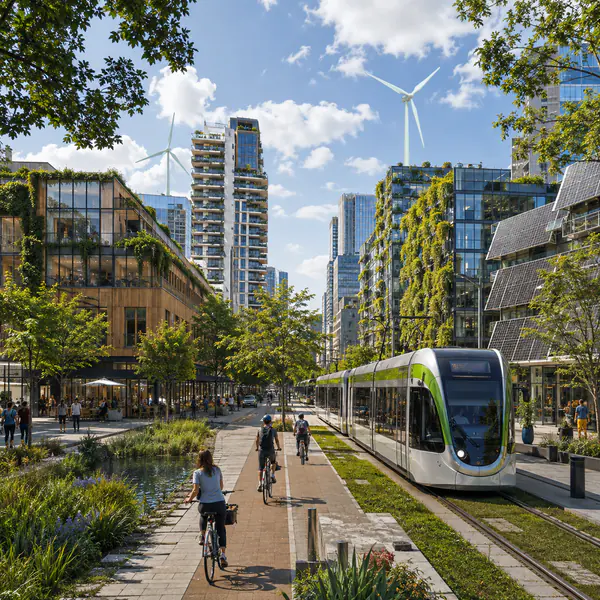
  • Sustainable City — Prioritizes low-carbon transport, efficient buildings, urban nature, renewable energy, and water-sensitive design
    07

    Sustainable City

    Prioritizes low-carbon transport, efficient buildings, urban nature, renewable energy, and water-sensitive design.

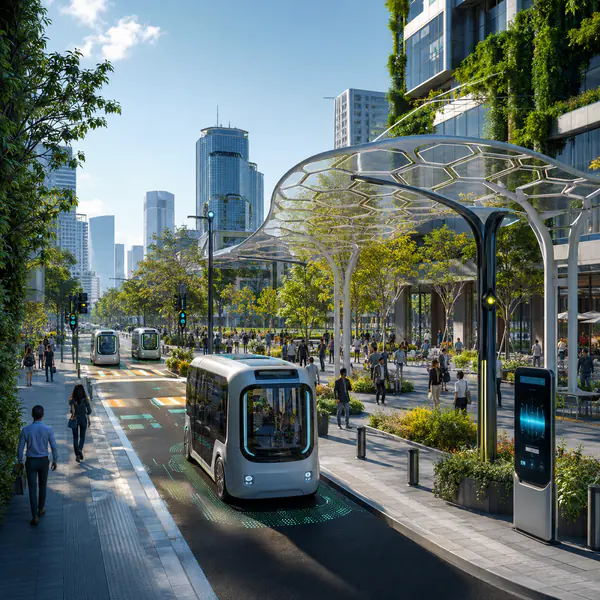
  • Smart City — Uses connected infrastructure and responsive systems to coordinate transport, energy, safety, and public services
    08

    Smart City

    Uses connected infrastructure and responsive systems to coordinate transport, energy, safety, and public services.

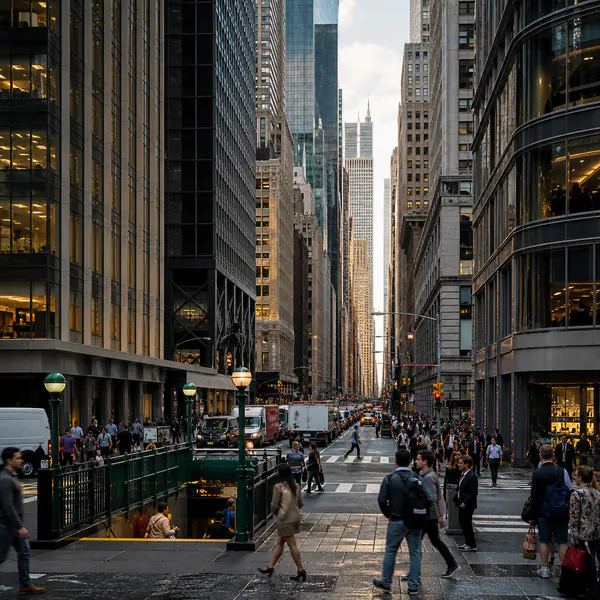
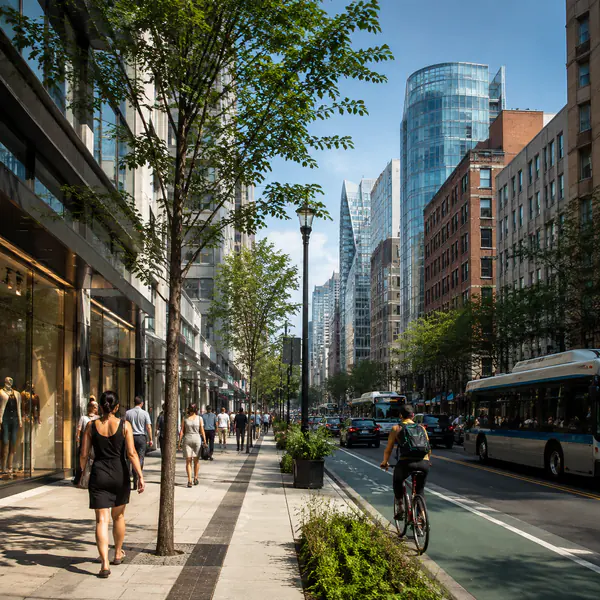
  • Dense Urban Core — Concentrates tall buildings, closely spaced blocks, intensive transit, and high pedestrian activity
    09

    Dense Urban Core

    Concentrates tall buildings, closely spaced blocks, intensive transit, and high pedestrian activity.

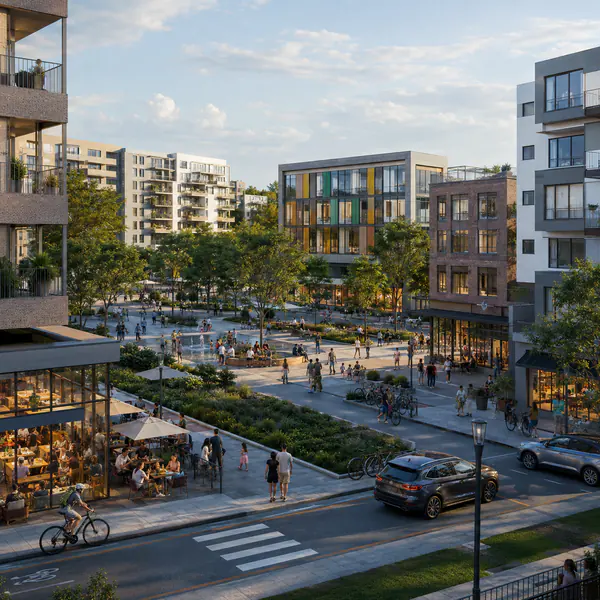
  • Mixed Use District — Combines housing, offices, shops, services, and public spaces within one walkable area
    10

    Mixed Use District

    Combines housing, offices, shops, services, and public spaces within one walkable area.

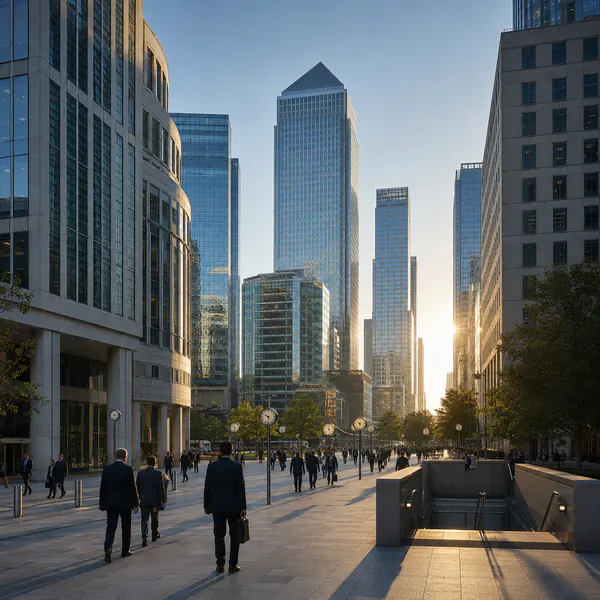
  • Financial District — Features office towers, formal plazas, transport access, and a strong weekday business character
    11

    Financial District

    Features office towers, formal plazas, transport access, and a strong weekday business character.

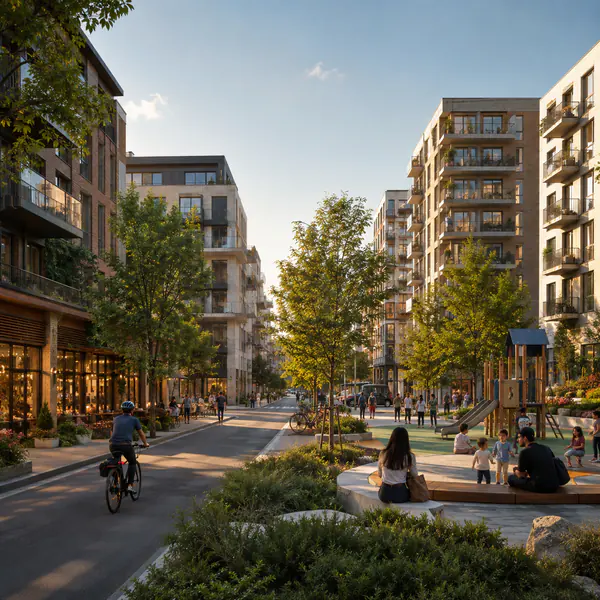
  • Residential District — Focuses on housing, neighborhood streets, schools, local shops, parks, and everyday community activity
    12

    Residential District

    Focuses on housing, neighborhood streets, schools, local shops, parks, and everyday community activity.

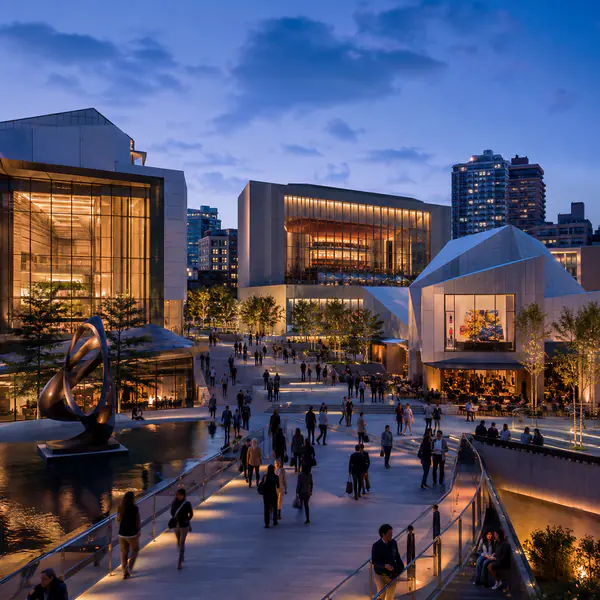
  • Cultural District — Clusters museums, theaters, galleries, performance spaces, and public art within a connected precinct
    13

    Cultural District

    Clusters museums, theaters, galleries, performance spaces, and public art within a connected precinct.

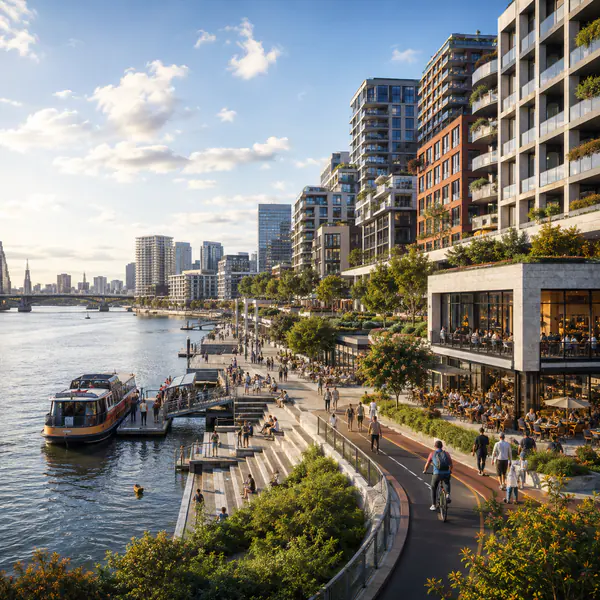
  • Waterfront District — Organizes buildings and public space along a river, canal, lake, or harbor edge
    14

    Waterfront District

    Organizes buildings and public space along a river, canal, lake, or harbor edge.

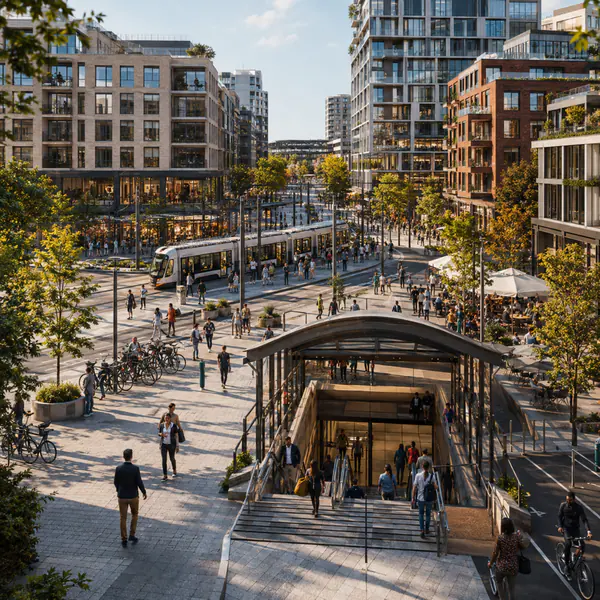
  • Transit Oriented District — Concentrates homes, jobs, shops, and public space within easy walking distance of major transit
    15

    Transit Oriented District

    Concentrates homes, jobs, shops, and public space within easy walking distance of major transit.

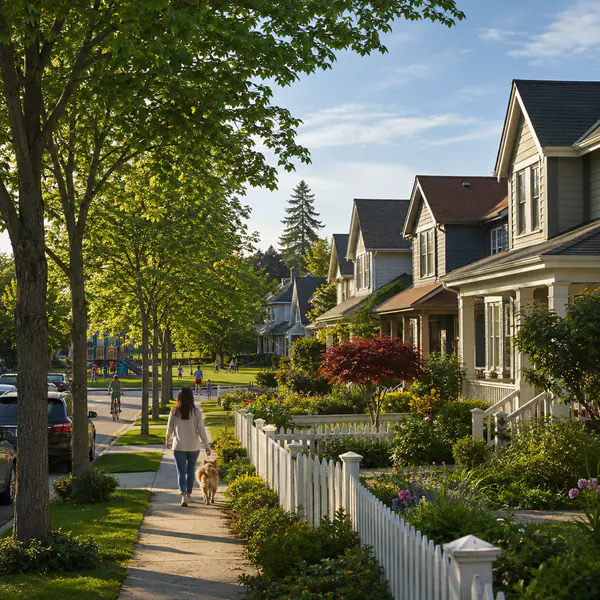
  • Suburban Neighborhood — Uses lower-density housing, local streets, gardens, schools, and small community centers outside the urban core
    16

    Suburban Neighborhood

    Uses lower-density housing, local streets, gardens, schools, and small community centers outside the urban core.

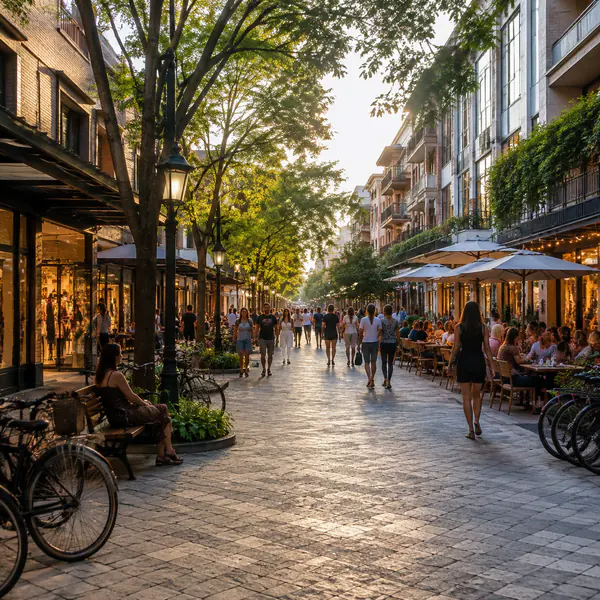
  • Pedestrian Street — Removes regular vehicle traffic to prioritize walking, seating, shops, shade, and street activity
    17

    Pedestrian Street

    Removes regular vehicle traffic to prioritize walking, seating, shops, shade, and street activity.

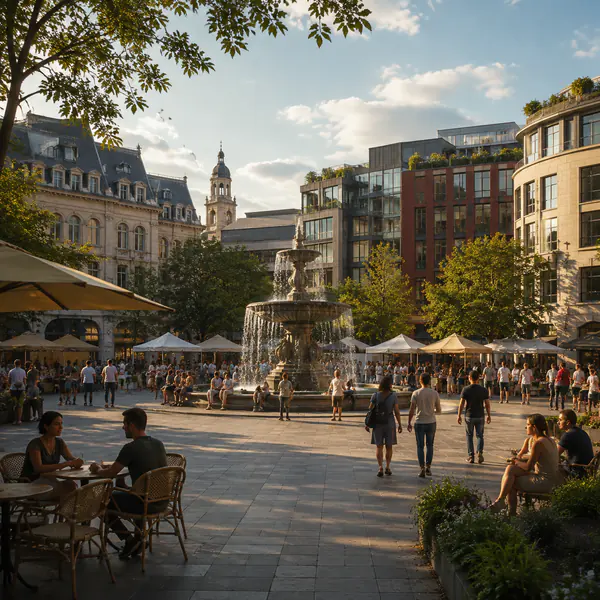
  • Public Square — Creates an open civic space framed by buildings and designed for meeting, events, and everyday use
    18

    Public Square

    Creates an open civic space framed by buildings and designed for meeting, events, and everyday use.

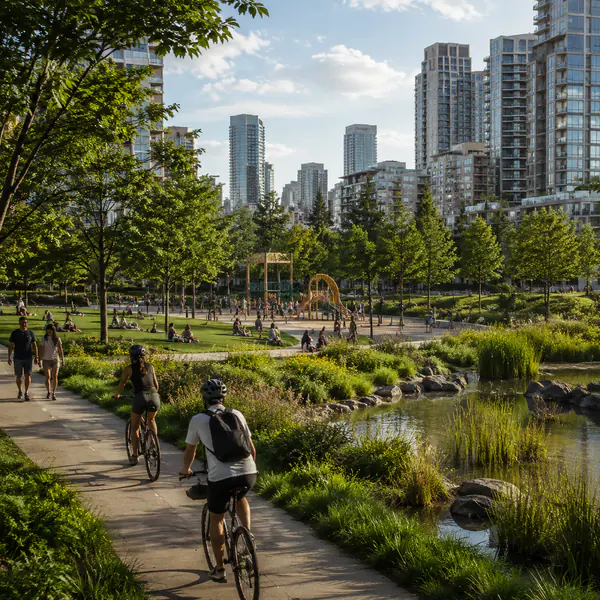
  • Urban Park — Introduces substantial planting, recreation, paths, and social space within a built-up city area
    19

    Urban Park

    Introduces substantial planting, recreation, paths, and social space within a built-up city area.

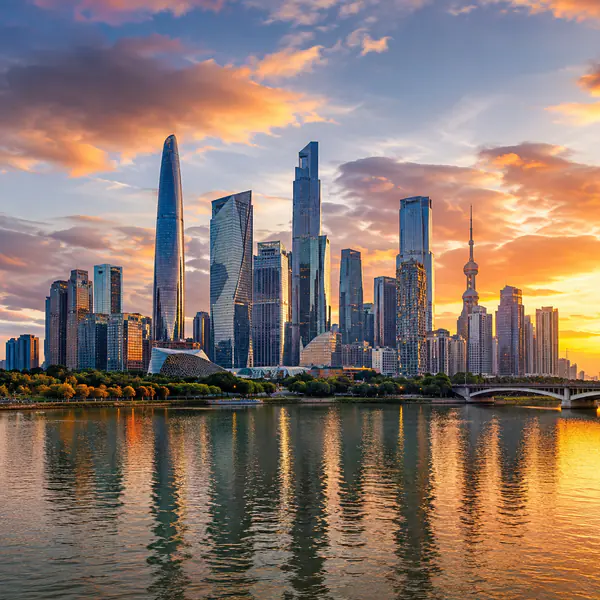
  • City Skyline — Shows the recognizable outline and overall massing of a city from a distant or elevated viewpoint
    20

    City Skyline

    Shows the recognizable outline and overall massing of a city from a distant or elevated viewpoint.

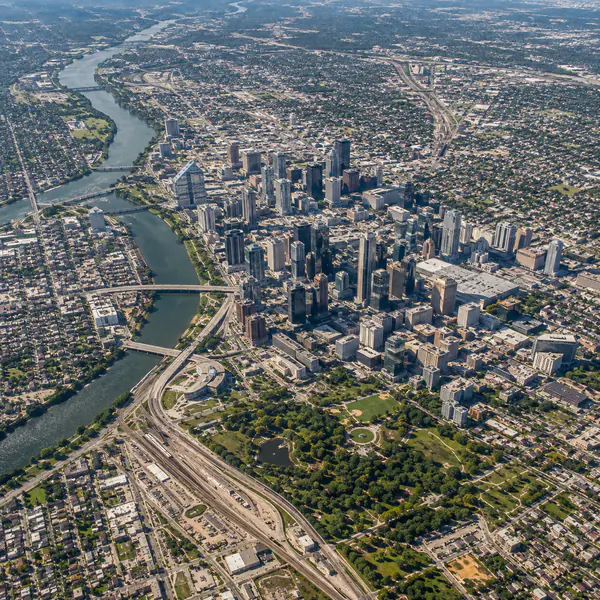
  • Aerial City View — Looks down from a high viewpoint to reveal the street network, blocks, districts, and wider geography
    21

    Aerial City View

    Looks down from a high viewpoint to reveal the street network, blocks, districts, and wider geography.

  • Street Level City View — Places the viewer at pedestrian height to emphasize storefronts, sidewalks, traffic, and human scale
    22

    Street Level City View

    Places the viewer at pedestrian height to emphasize storefronts, sidewalks, traffic, and human scale.

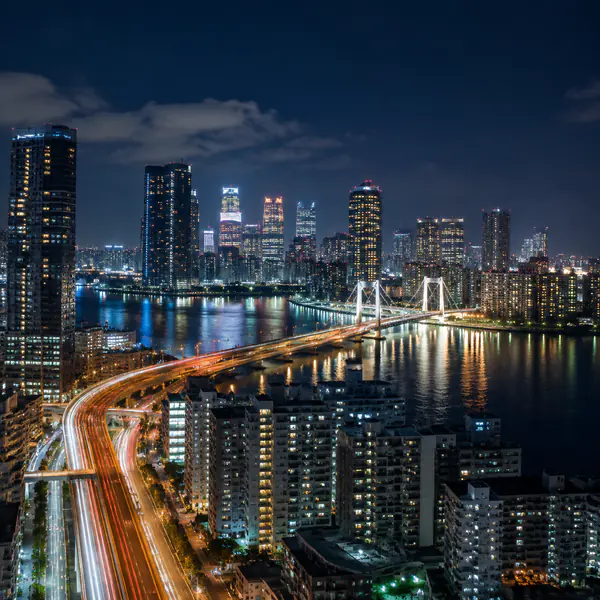
  • Night Cityscape — Uses illuminated buildings, traffic, signs, and reflections to describe urban life after dark
    23

    Night Cityscape

    Uses illuminated buildings, traffic, signs, and reflections to describe urban life after dark.

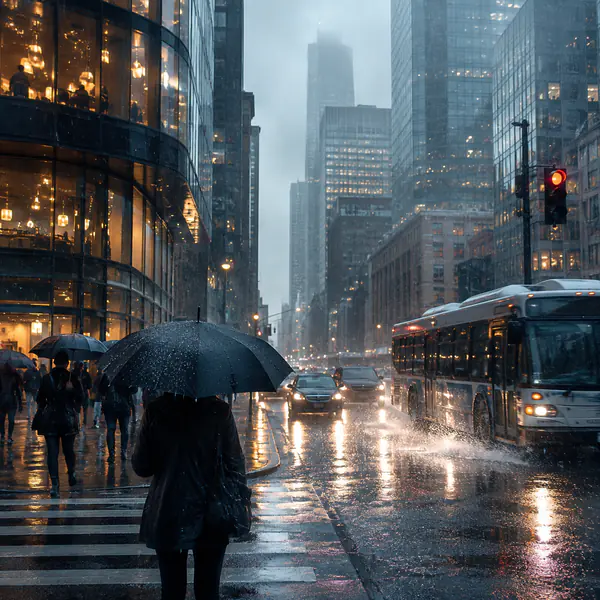
  • Rainy City — Shows wet streets, umbrellas, reflections, spray, overcast light, and changing urban movement
    24

    Rainy City

    Shows wet streets, umbrellas, reflections, spray, overcast light, and changing urban movement.

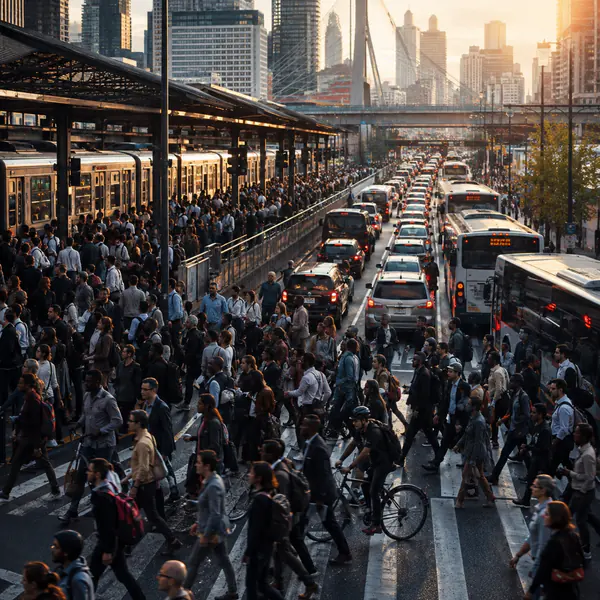
  • Rush Hour — Emphasizes peak-period movement through crowded transit, dense traffic, and busy pedestrian flows
    25

    Rush Hour

    Emphasizes peak-period movement through crowded transit, dense traffic, and busy pedestrian flows.