
Terminology

The base vocabulary — the words every other pack builds on. Every keyword shows its own picture beside a plain description — tap an image to see it up close.

Showing 25 of 25

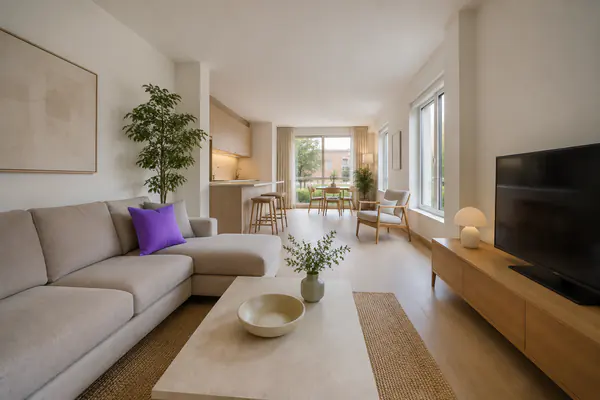
  • Subject — The main person, object, animal, or idea represented in an image
    01

    Subject

    The main person, object, animal, or idea represented in an image.

  • Environment — The broader physical setting surrounding a subject, including location and atmosphere
    02

    Environment

    The broader physical setting surrounding a subject, including location and atmosphere.

  • Background — The visual area behind the main subject, providing context or separation
    03

    Background

    The visual area behind the main subject, providing context or separation.

  • Foreground — The image area nearest the viewer, often used for depth or emphasis
    04

    Foreground

    The image area nearest the viewer, often used for depth or emphasis.

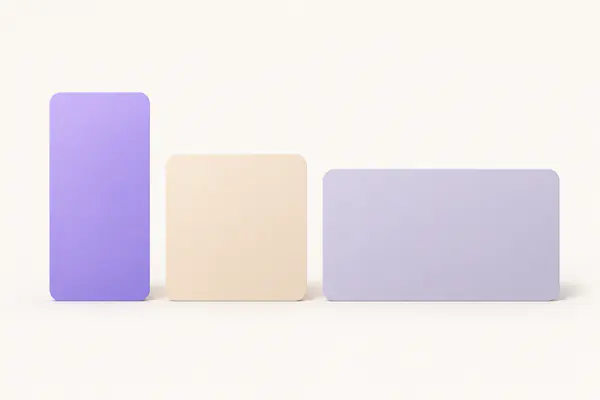
  • Aspect Ratio — The proportional relationship between an image's width and height, such as 16:9 or 4:5
    05

    Aspect Ratio

    The proportional relationship between an image's width and height, such as 16:9 or 4:5.

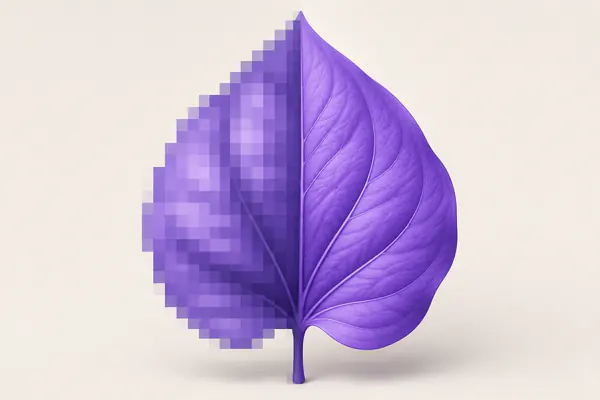
  • Resolution — The amount of image detail available, usually expressed through total pixel dimensions
    06

    Resolution

    The amount of image detail available, usually expressed through total pixel dimensions.

  • Portrait Orientation — A format taller than it is wide, suited to people and mobile displays
    07

    Portrait Orientation

    A format taller than it is wide, suited to people and mobile displays.

  • Landscape Orientation — A format wider than it is tall, suited to broad scenes and banners
    08

    Landscape Orientation

    A format wider than it is tall, suited to broad scenes and banners.

  • Square Format — An equal-width-and-height frame offering a balanced composition for many digital platforms
    09

    Square Format

    An equal-width-and-height frame offering a balanced composition for many digital platforms.

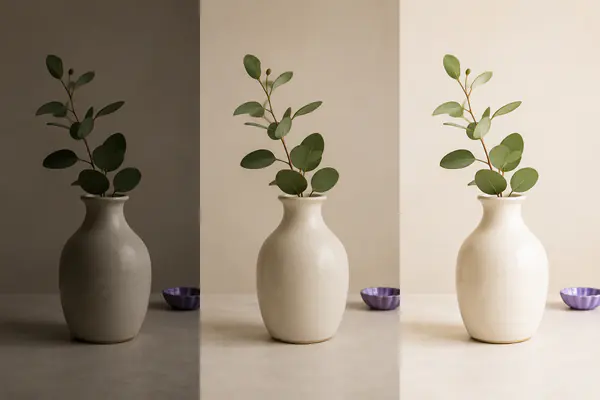
  • Exposure — The overall brightness produced by the amount of light recorded in an image
    10

    Exposure

    The overall brightness produced by the amount of light recorded in an image.

  • Contrast — The visual difference between light and dark areas or opposing colors
    11

    Contrast

    The visual difference between light and dark areas or opposing colors.

  • Brightness — The perceived overall lightness or darkness of an entire image
    12

    Brightness

    The perceived overall lightness or darkness of an entire image.

  • Saturation — The intensity or purity of colors, from muted to vividly colorful
    13

    Saturation

    The intensity or purity of colors, from muted to vividly colorful.

  • White Balance — The adjustment that makes neutral objects appear neutral under different light sources
    14

    White Balance

    The adjustment that makes neutral objects appear neutral under different light sources.

  • Sharpness — The perceived clarity of edges and fine details throughout an image
    15

    Sharpness

    The perceived clarity of edges and fine details throughout an image.

  • Texture — The visible or implied surface quality of an object or image area
    16

    Texture

    The visible or implied surface quality of an object or image area.

  • Depth of Field — The distance range that appears acceptably sharp in front of the camera
    17

    Depth of Field

    The distance range that appears acceptably sharp in front of the camera.

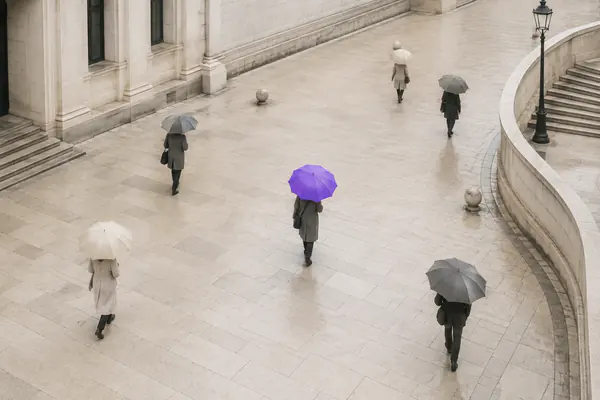
  • Focal Point — The element intended to attract the viewer's attention before anything else
    18

    Focal Point

    The element intended to attract the viewer's attention before anything else.

  • Bokeh — The visual character of out-of-focus highlights and blurred background areas
    19

    Bokeh

    The visual character of out-of-focus highlights and blurred background areas.

  • Wide-Angle Lens — A short-focal-length lens capturing a broad scene while exaggerating spatial depth
    20

    Wide-Angle Lens

    A short-focal-length lens capturing a broad scene while exaggerating spatial depth.

  • Telephoto Lens — A long-focal-length lens narrowing the view and visually compressing distant spatial layers
    21

    Telephoto Lens

    A long-focal-length lens narrowing the view and visually compressing distant spatial layers.

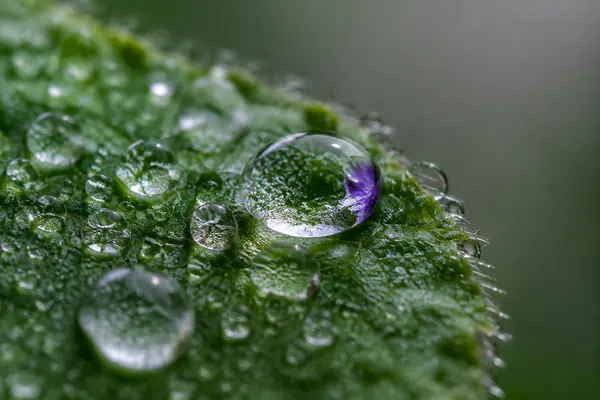
  • Macro Lens — A lens designed for close focusing and detailed reproduction of very small subjects
    22

    Macro Lens

    A lens designed for close focusing and detailed reproduction of very small subjects.

  • Motion Blur — Directional softness created when the camera or subject moves during exposure
    23

    Motion Blur

    Directional softness created when the camera or subject moves during exposure.

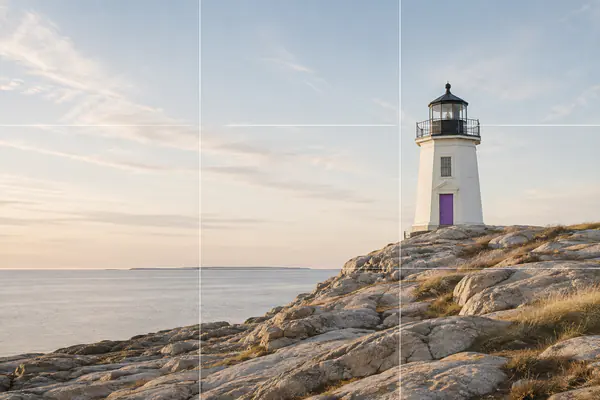
  • Rule of Thirds — A composition guide placing key elements along thirds or their intersections
    24

    Rule of Thirds

    A composition guide placing key elements along thirds or their intersections.

  • Negative Space — Intentionally empty area surrounding subjects that improves clarity, balance, or text placement
    25

    Negative Space

    Intentionally empty area surrounding subjects that improves clarity, balance, or text placement.