Pose Positions

How a subject stands, sits and holds themselves. Every keyword shows its own picture beside a plain description — tap an image to see it up close.

Showing 25 of 25

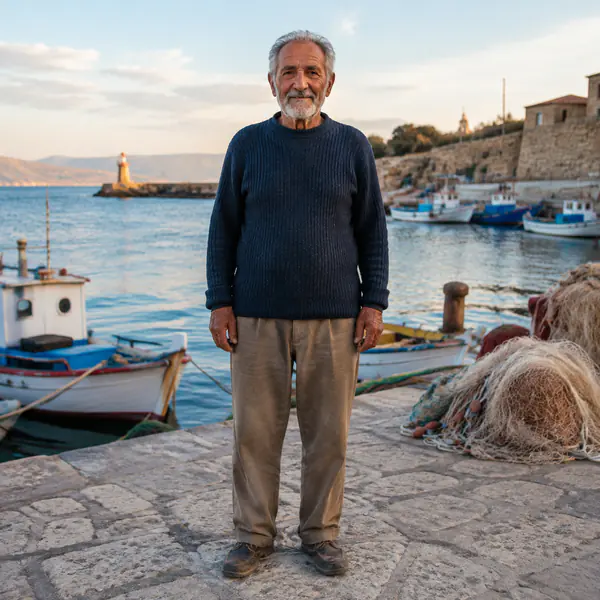
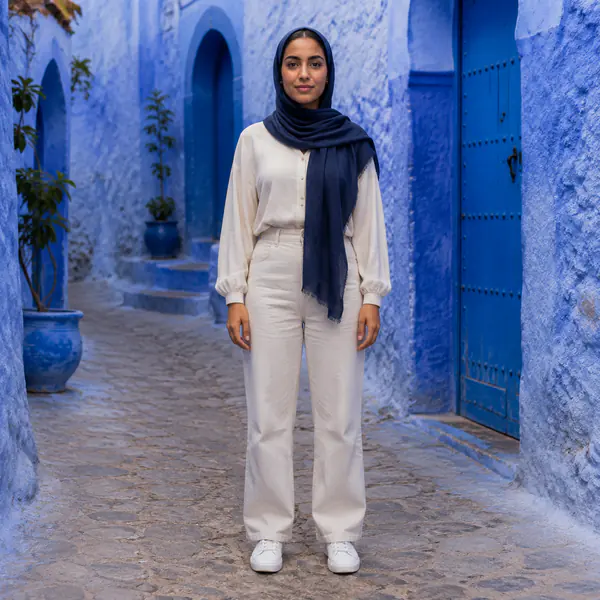
  • Front-Facing Pose — A front-facing pose aligns the chest and shoulders directly toward the camera for a straightforward, symmetrical presentation
    01

    Front-Facing Pose

    A front-facing pose aligns the chest and shoulders directly toward the camera for a straightforward, symmetrical presentation.

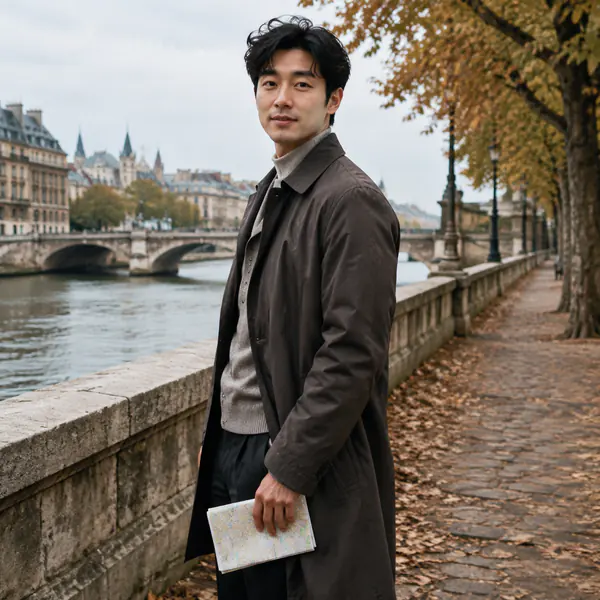
  • Three-Quarter Pose — A three-quarter pose rotates the torso about forty-five degrees from the camera while keeping much of the face visible
    02

    Three-Quarter Pose

    A three-quarter pose rotates the torso about forty-five degrees from the camera while keeping much of the face visible.

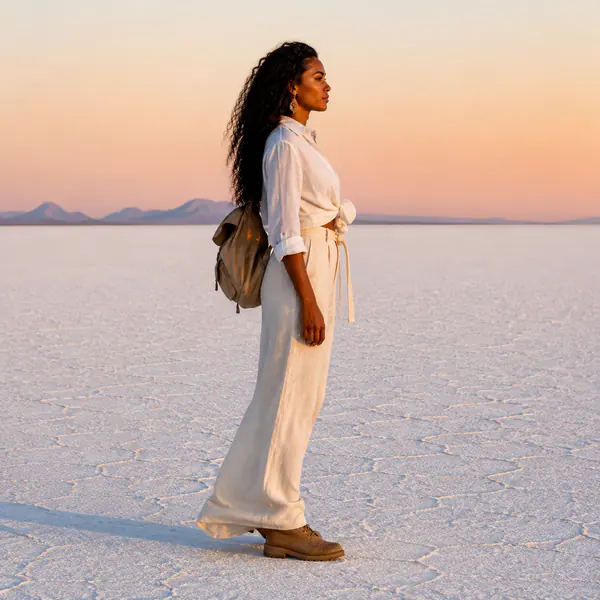
  • Side-On Pose — A side-on pose turns the torso approximately ninety degrees to the camera, emphasizing the body’s outline
    03

    Side-On Pose

    A side-on pose turns the torso approximately ninety degrees to the camera, emphasizing the body’s outline.

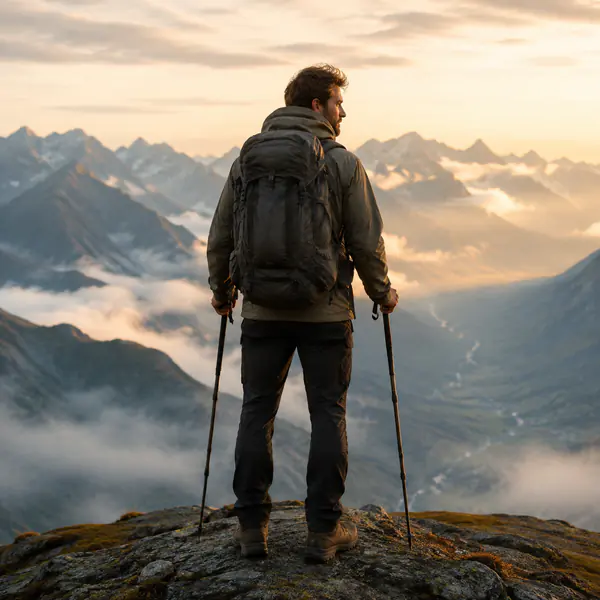
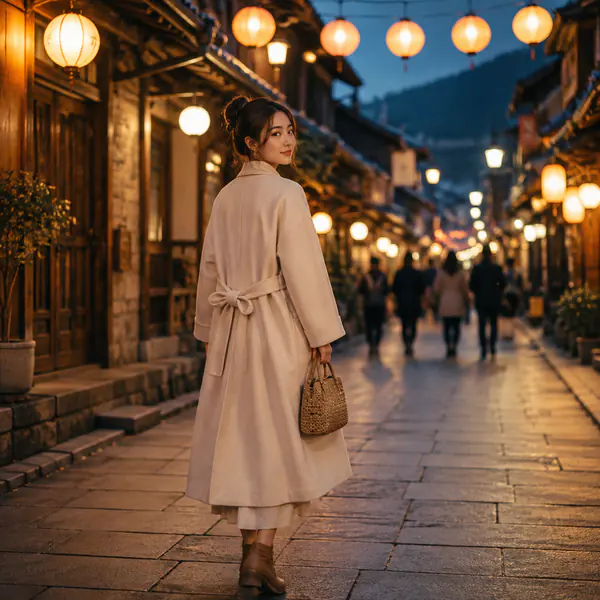
  • Back-Facing Pose — A back-facing pose directs the subject’s back toward the camera, sometimes revealing the face through a slight turn
    04

    Back-Facing Pose

    A back-facing pose directs the subject’s back toward the camera, sometimes revealing the face through a slight turn.

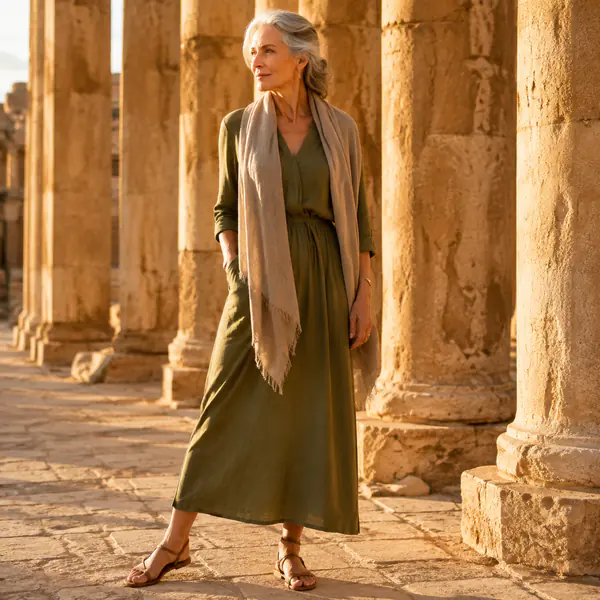
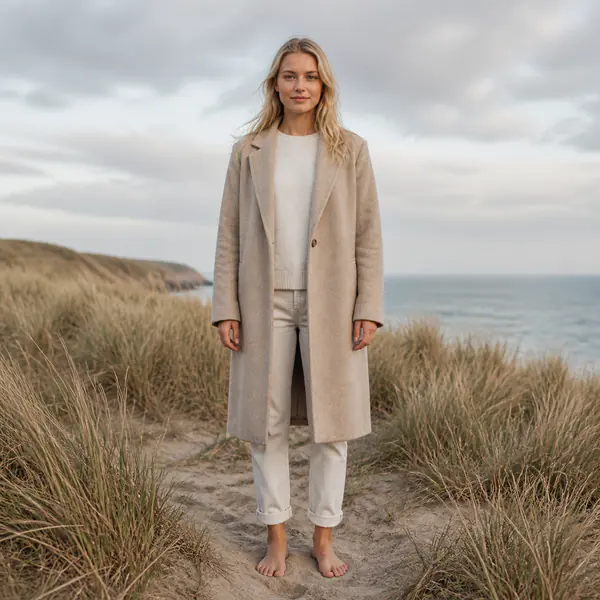
  • Standing Pose — A standing pose keeps the body upright on both feet and can communicate confidence, ease, or formality
    05

    Standing Pose

    A standing pose keeps the body upright on both feet and can communicate confidence, ease, or formality.

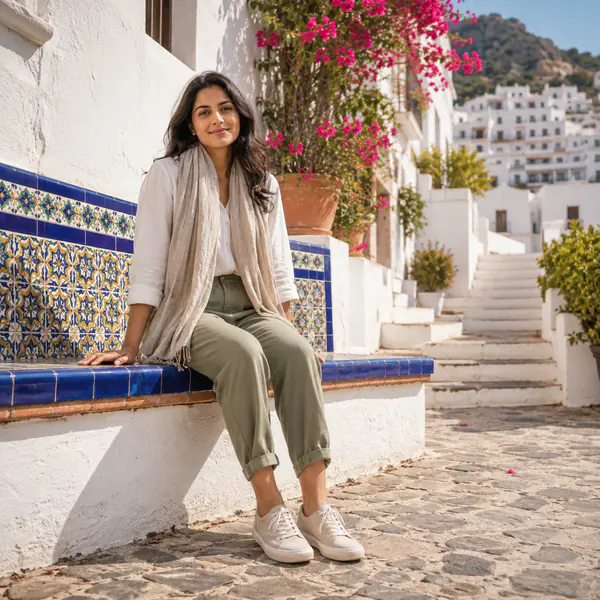
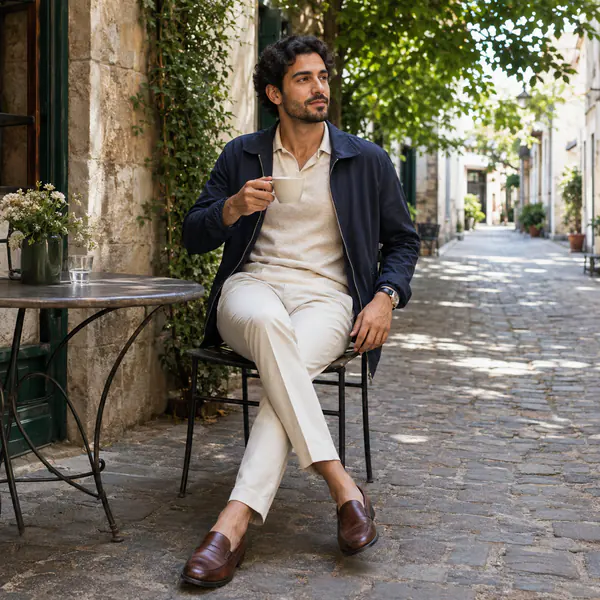
  • Seated Pose — A seated pose places the subject on a chair, stool, bench, or ground while maintaining intentional posture
    06

    Seated Pose

    A seated pose places the subject on a chair, stool, bench, or ground while maintaining intentional posture.

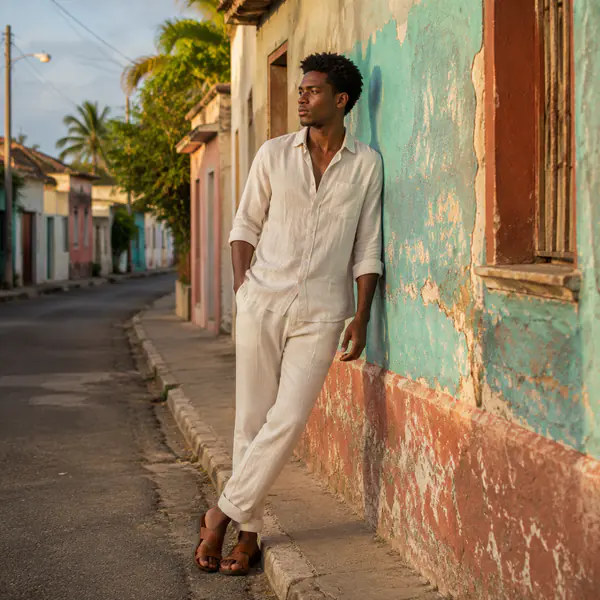
  • Leaning Pose — A leaning pose supports part of the body against a wall, railing, table, or similar surface
    07

    Leaning Pose

    A leaning pose supports part of the body against a wall, railing, table, or similar surface.

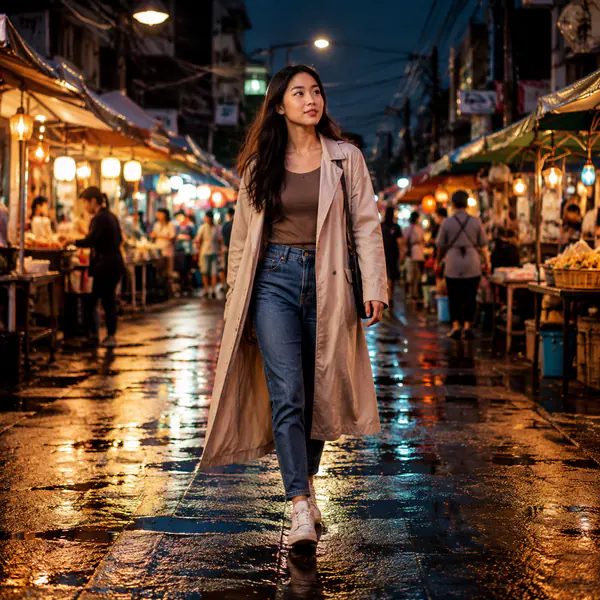
  • Walking Pose — A walking pose captures the subject mid-stride to introduce natural movement, direction, and energy
    08

    Walking Pose

    A walking pose captures the subject mid-stride to introduce natural movement, direction, and energy.

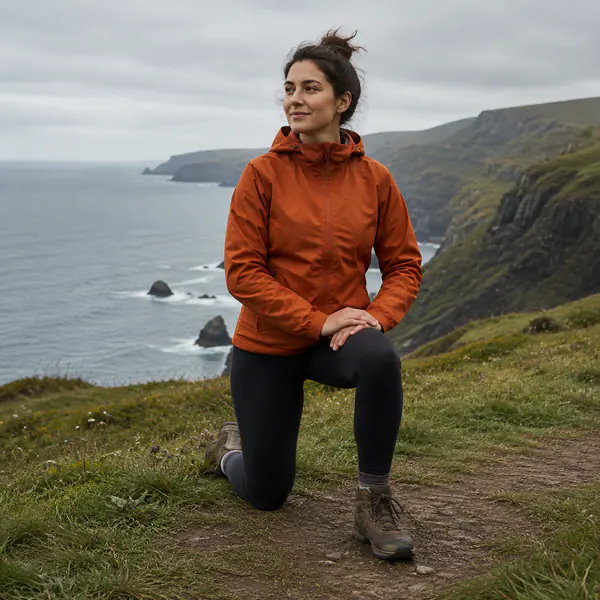
  • Kneeling Pose — A kneeling pose places one or both knees on a surface, creating a lower and more compact silhouette
    09

    Kneeling Pose

    A kneeling pose places one or both knees on a surface, creating a lower and more compact silhouette.

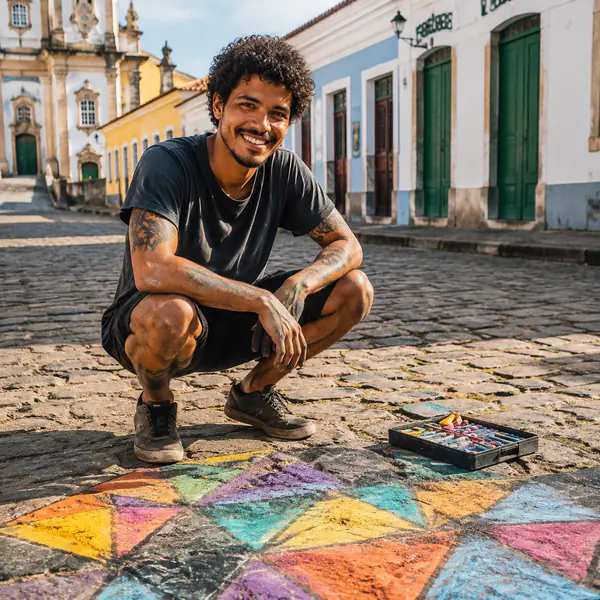
  • Crouching Pose — A crouching pose lowers the body by bending the knees while the feet continue supporting the subject
    10

    Crouching Pose

    A crouching pose lowers the body by bending the knees while the feet continue supporting the subject.

  • Contrapposto — Contrapposto shifts most body weight onto one leg, causing natural opposing angles through the hips and shoulders
    11

    Contrapposto

    Contrapposto shifts most body weight onto one leg, causing natural opposing angles through the hips and shoulders.

  • Crossed-Leg Pose — A crossed-leg pose places one leg across the other while standing or seated, creating compact, angled lines
    12

    Crossed-Leg Pose

    A crossed-leg pose places one leg across the other while standing or seated, creating compact, angled lines.

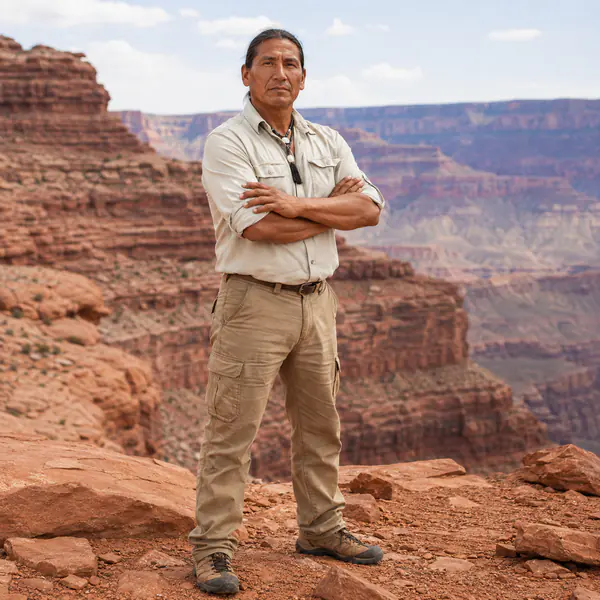
  • Arms-Crossed Pose — An arms-crossed pose folds both forearms across the torso, often conveying confidence, composure, or guardedness
    13

    Arms-Crossed Pose

    An arms-crossed pose folds both forearms across the torso, often conveying confidence, composure, or guardedness.

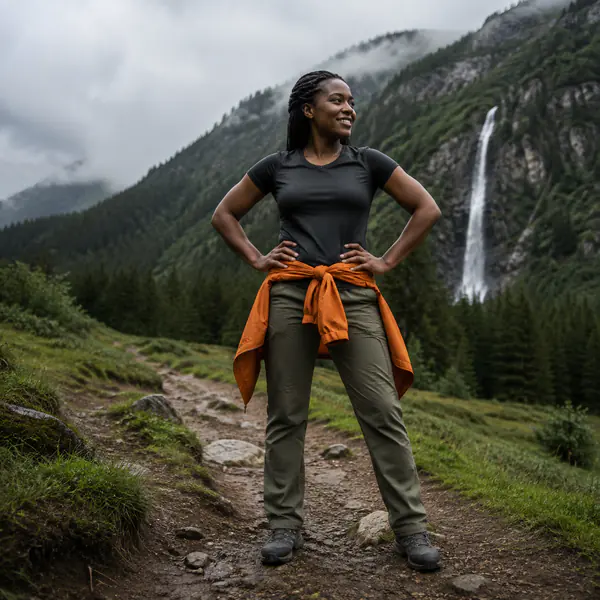
  • Hands-on-Hips Pose — A hands-on-hips pose places one or both hands at the waist, opening the elbows and defining the torso
    14

    Hands-on-Hips Pose

    A hands-on-hips pose places one or both hands at the waist, opening the elbows and defining the torso.

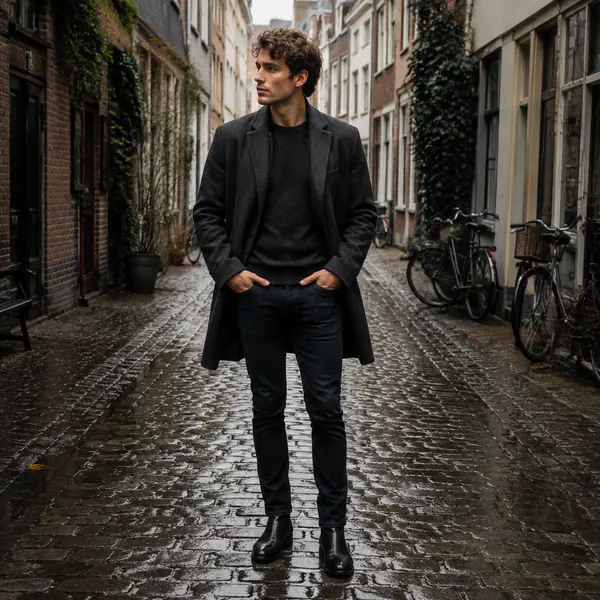
  • Hands-in-Pockets Pose — A hands-in-pockets pose rests one or both hands inside clothing pockets for a casual, contained gesture
    15

    Hands-in-Pockets Pose

    A hands-in-pockets pose rests one or both hands inside clothing pockets for a casual, contained gesture.

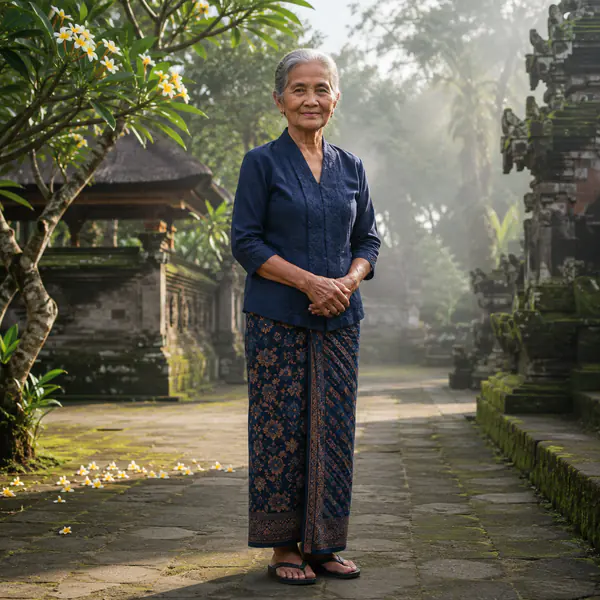
  • Hands-Clasped Pose — A hands-clasped pose joins the hands gently in front of or behind the body for a composed gesture
    16

    Hands-Clasped Pose

    A hands-clasped pose joins the hands gently in front of or behind the body for a composed gesture.

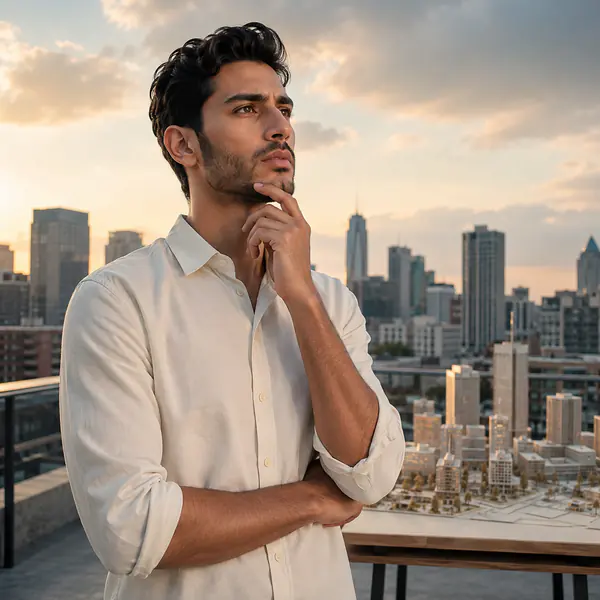
  • Hand-at-Chin Pose — A hand-at-chin pose brings one hand near the jaw or chin, suggesting thoughtfulness while framing the face
    17

    Hand-at-Chin Pose

    A hand-at-chin pose brings one hand near the jaw or chin, suggesting thoughtfulness while framing the face.

  • Arms-at-Sides Pose — An arms-at-sides pose lets both arms hang naturally beside the torso, creating an open, neutral stance
    18

    Arms-at-Sides Pose

    An arms-at-sides pose lets both arms hang naturally beside the torso, creating an open, neutral stance.

  • Head-Tilt Pose — A head-tilt pose angles one ear slightly toward a shoulder, adding gentle asymmetry and visual warmth
    19

    Head-Tilt Pose

    A head-tilt pose angles one ear slightly toward a shoulder, adding gentle asymmetry and visual warmth.

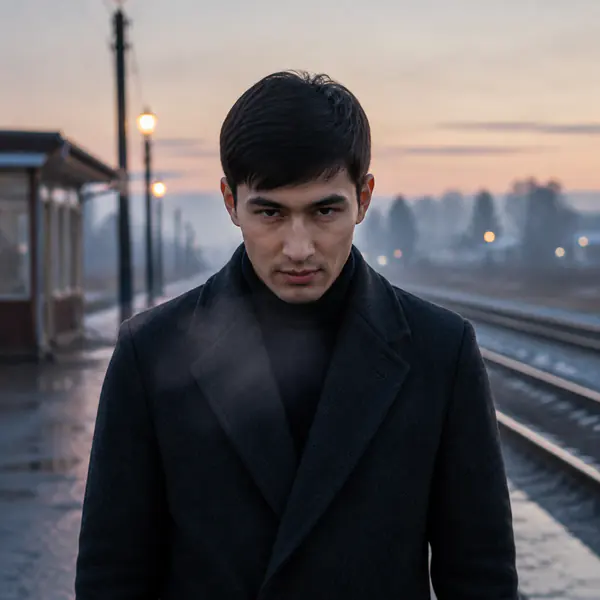
  • Chin-Down Pose — A chin-down pose lowers the chin slightly toward the chest while maintaining length through the back of the neck
    20

    Chin-Down Pose

    A chin-down pose lowers the chin slightly toward the chest while maintaining length through the back of the neck.

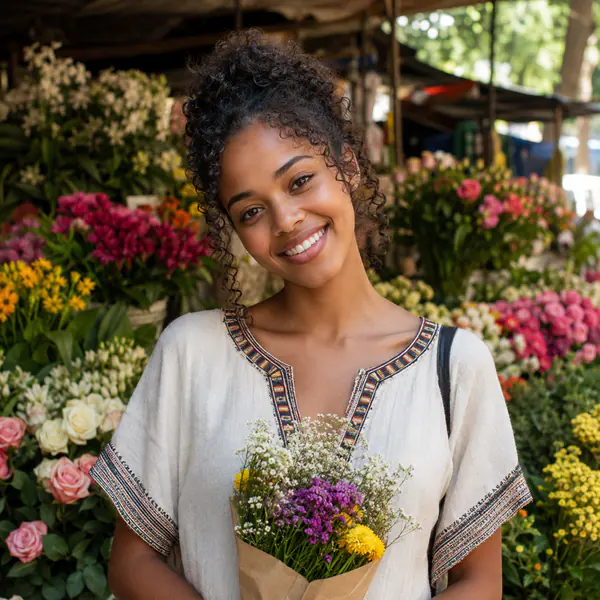
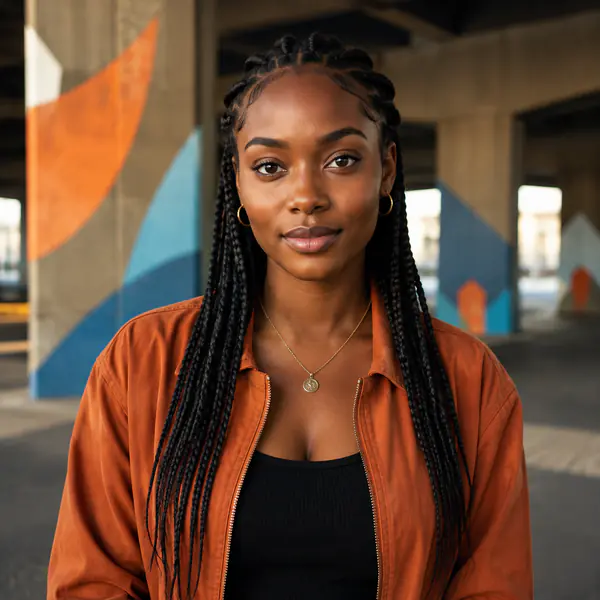
  • Direct-Gaze Pose — A direct-gaze pose points both eyes toward the camera, creating immediate visual connection with the viewer
    21

    Direct-Gaze Pose

    A direct-gaze pose points both eyes toward the camera, creating immediate visual connection with the viewer.

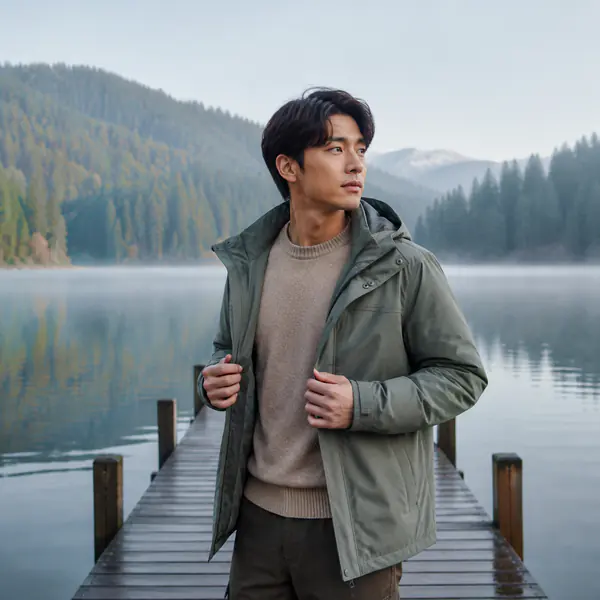
  • Off-Camera Gaze — An off-camera gaze directs the eyes beyond the frame, suggesting attention, reflection, or an unfolding moment
    22

    Off-Camera Gaze

    An off-camera gaze directs the eyes beyond the frame, suggesting attention, reflection, or an unfolding moment.

  • Over-the-Shoulder Gaze — An over-the-shoulder gaze turns the head back toward the camera while the torso faces partly or fully away
    23

    Over-the-Shoulder Gaze

    An over-the-shoulder gaze turns the head back toward the camera while the torso faces partly or fully away.

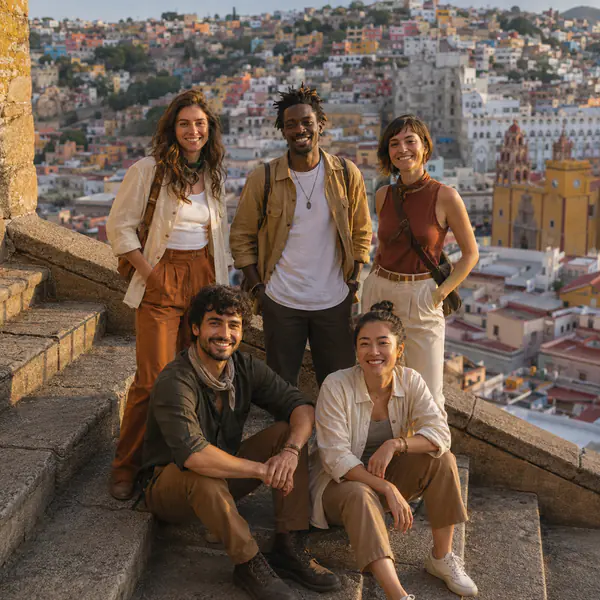
  • Staggered Group Pose — A staggered group pose places people at different depths or heights so faces remain visible and the arrangement feels dynamic
    24

    Staggered Group Pose

    A staggered group pose places people at different depths or heights so faces remain visible and the arrangement feels dynamic.

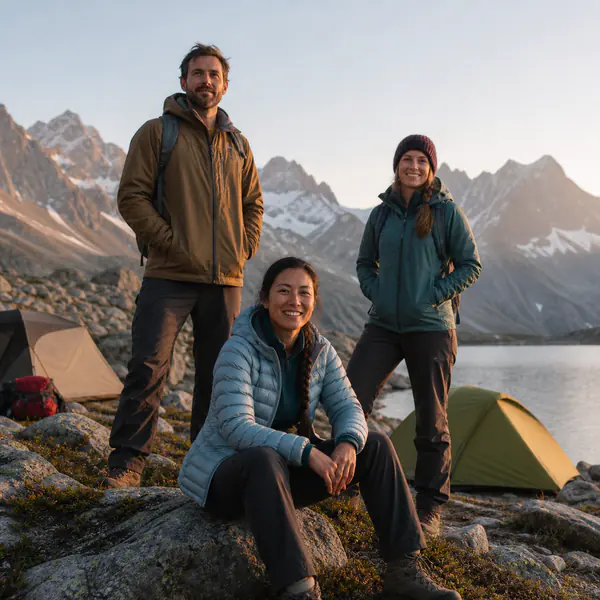
  • Triangular Group Arrangement — A triangular group arrangement positions faces or bodies at three broad levels, creating a stable, cohesive composition
    25

    Triangular Group Arrangement

    A triangular group arrangement positions faces or bodies at three broad levels, creating a stable, cohesive composition.