Cinematic Photography

Film-language shots that make a still feel like a frame. Every keyword shows its own picture beside a plain description — tap an image to see it up close.

Showing 25 of 25

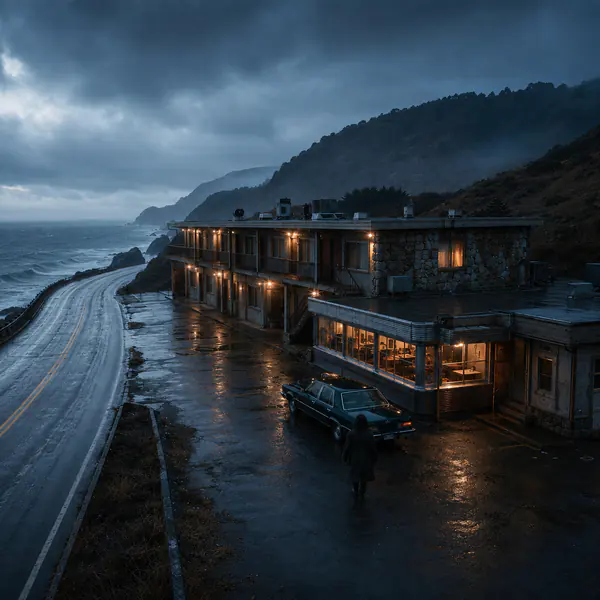
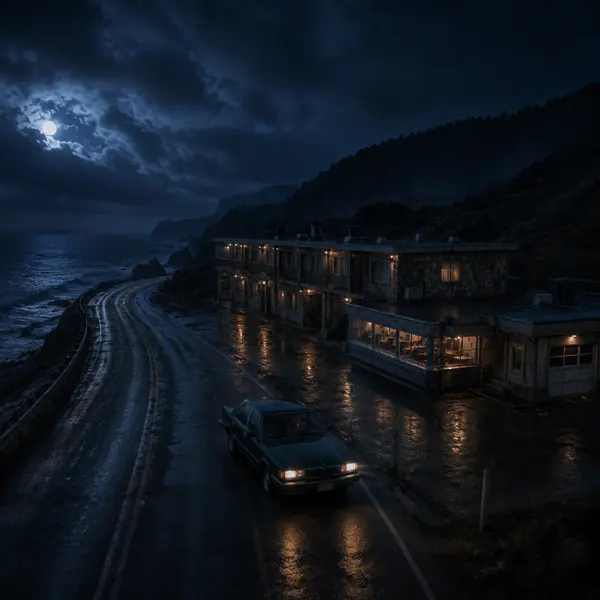
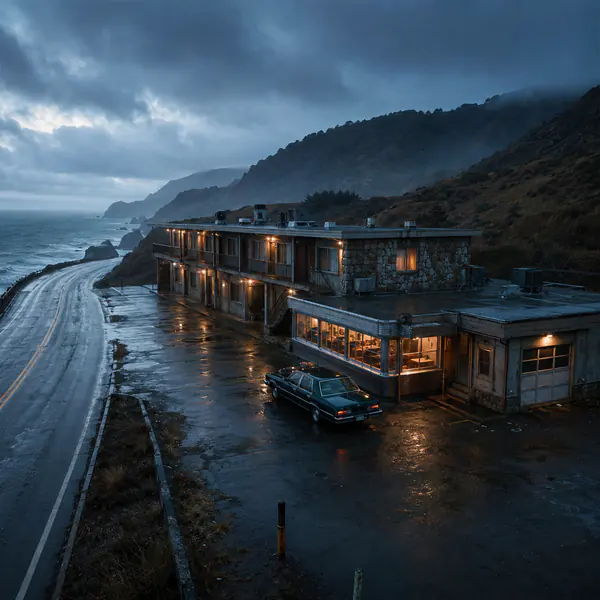
  • Establishing shot — An establishing shot introduces the location, time, atmosphere, and spatial context surrounding an implied scene or story
    01

    Establishing shot

    An establishing shot introduces the location, time, atmosphere, and spatial context surrounding an implied scene or story.

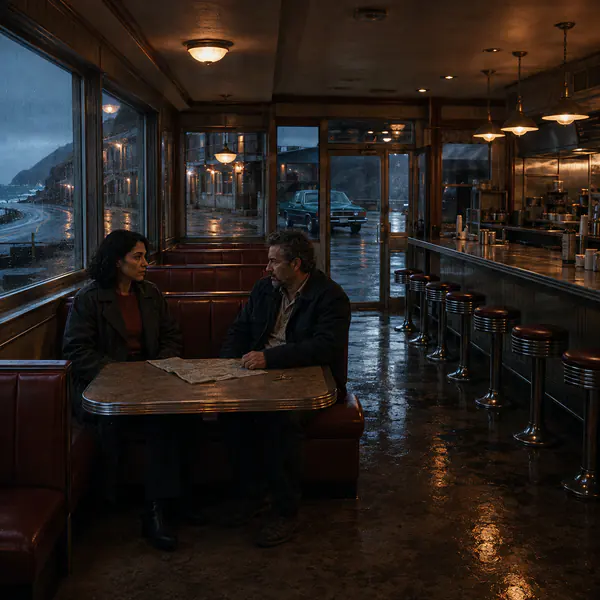
  • Master shot — A master shot holds the primary characters and their complete environment together in one clearly readable composition
    02

    Master shot

    A master shot holds the primary characters and their complete environment together in one clearly readable composition.

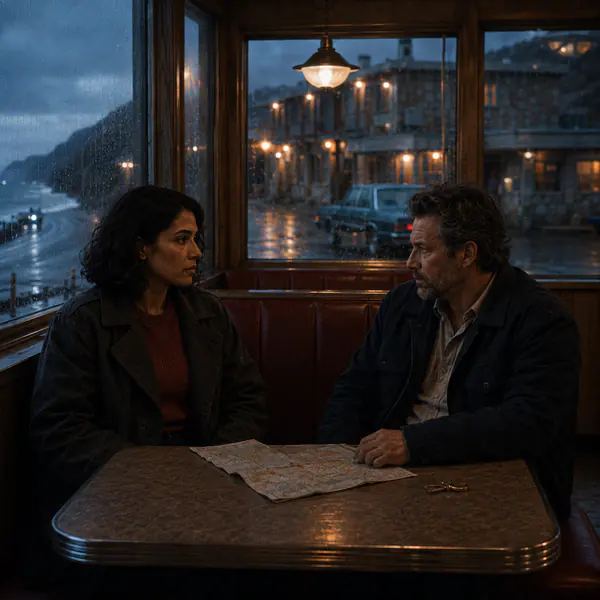
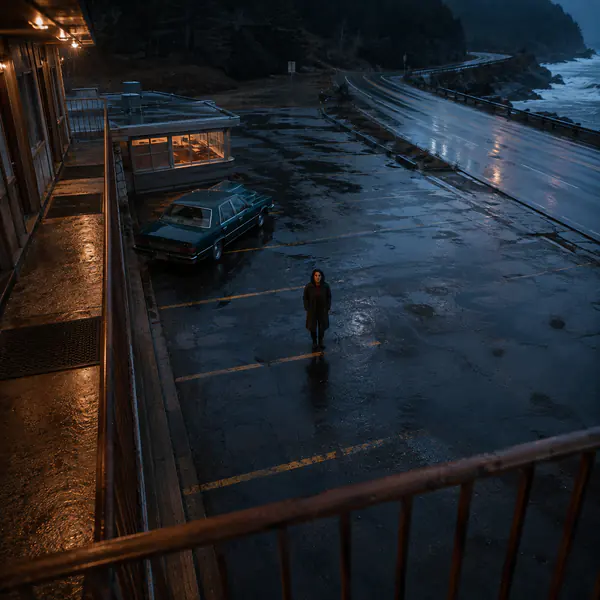
  • Two-shot — A two-shot frames two people together to emphasize their relationship, physical distance, body language, or shared action
    03

    Two-shot

    A two-shot frames two people together to emphasize their relationship, physical distance, body language, or shared action.

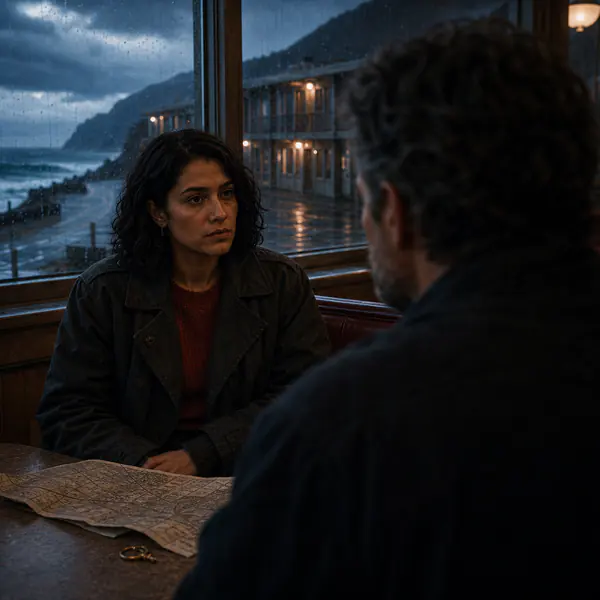
  • Over-the-shoulder — An over-the-shoulder composition views one person past another's shoulder, creating intimacy, tension, and conversational depth
    04

    Over-the-shoulder

    An over-the-shoulder composition views one person past another's shoulder, creating intimacy, tension, and conversational depth.

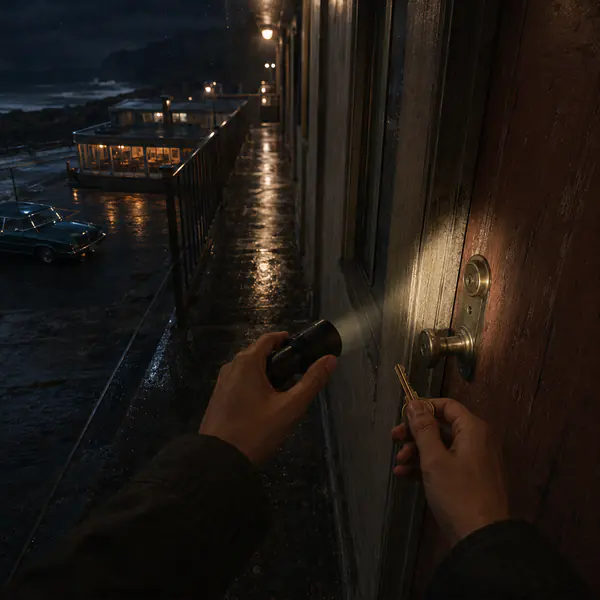
  • Point-of-view — A point-of-view image shows what a character would see, placing the viewer inside that person's immediate experience
    05

    Point-of-view

    A point-of-view image shows what a character would see, placing the viewer inside that person's immediate experience.

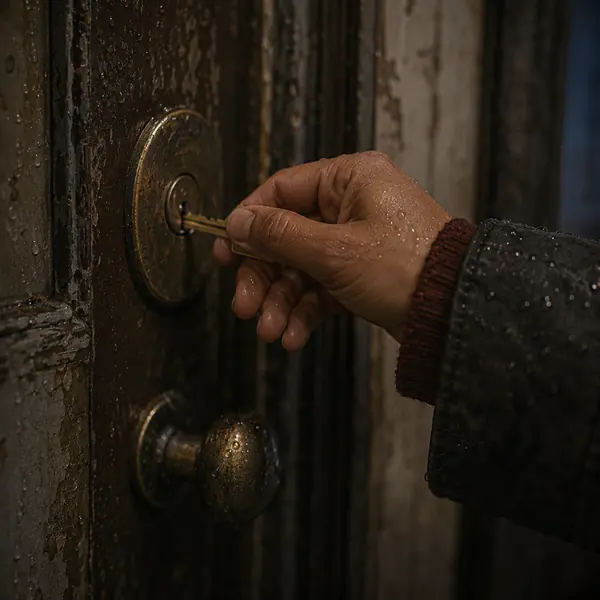
  • Insert shot — An insert shot isolates a story-critical object or action so its meaning and visual details become unmistakable
    06

    Insert shot

    An insert shot isolates a story-critical object or action so its meaning and visual details become unmistakable.

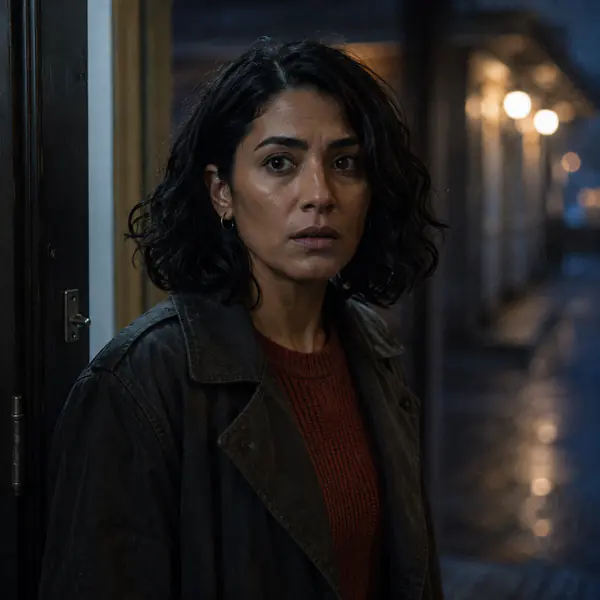
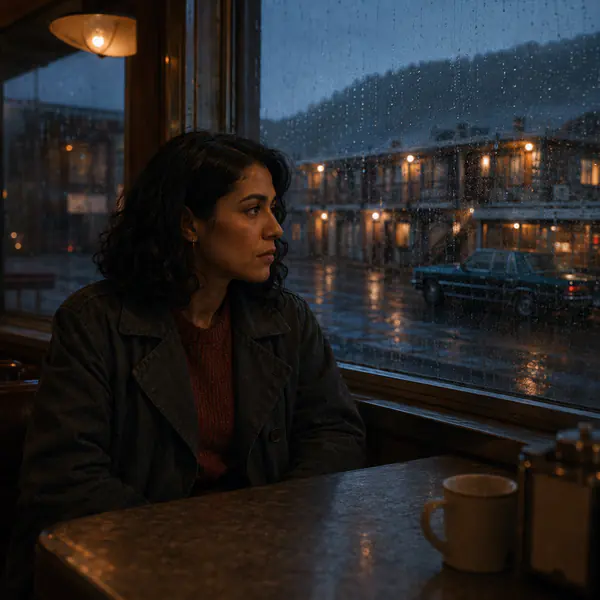
  • Reaction shot — A reaction shot concentrates on a character's emotional response, allowing expression and gaze to imply an unseen event
    07

    Reaction shot

    A reaction shot concentrates on a character's emotional response, allowing expression and gaze to imply an unseen event.

  • Close-up — A close-up fills the frame with a face or important subject detail to intensify emotion and attention
    08

    Close-up

    A close-up fills the frame with a face or important subject detail to intensify emotion and attention.

  • Wide shot — A wide shot shows a subject's full body and substantial surroundings, emphasizing scale, isolation, movement, or place
    09

    Wide shot

    A wide shot shows a subject's full body and substantial surroundings, emphasizing scale, isolation, movement, or place.

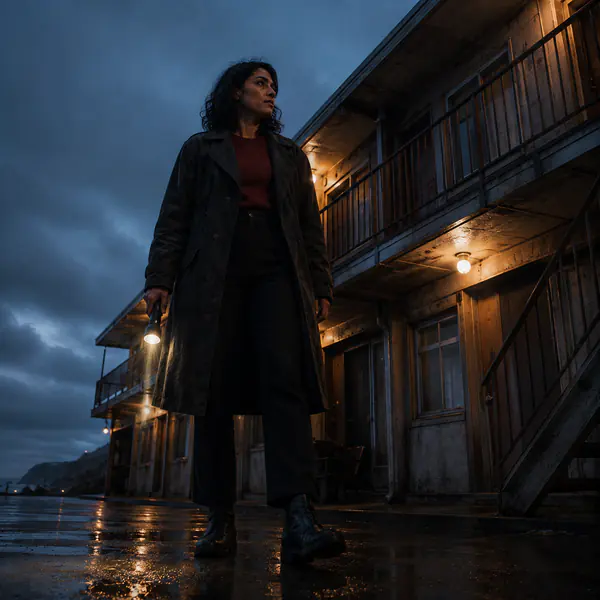
  • Low angle — A low-angle image looks upward, making a person, structure, or object appear dominant, imposing, or heroic
    10

    Low angle

    A low-angle image looks upward, making a person, structure, or object appear dominant, imposing, or heroic.

  • High angle — A high-angle image looks downward to suggest vulnerability, reveal spatial relationships, or create graphic visual order
    11

    High angle

    A high-angle image looks downward to suggest vulnerability, reveal spatial relationships, or create graphic visual order.

  • Dutch angle — A Dutch angle tilts the horizon so the frame feels unstable, disorienting, urgent, or psychologically unsettled
    12

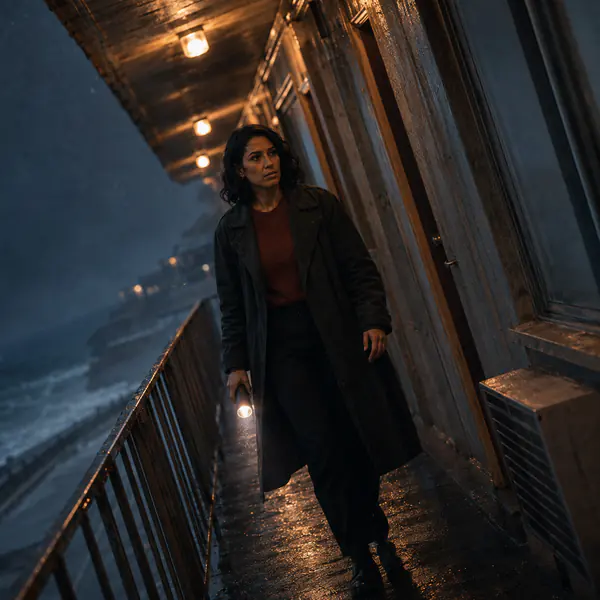
    Dutch angle

    A Dutch angle tilts the horizon so the frame feels unstable, disorienting, urgent, or psychologically unsettled.

  • Silhouette — A silhouette renders the subject mostly dark against a brighter background, emphasizing outline, gesture, and mystery
    13

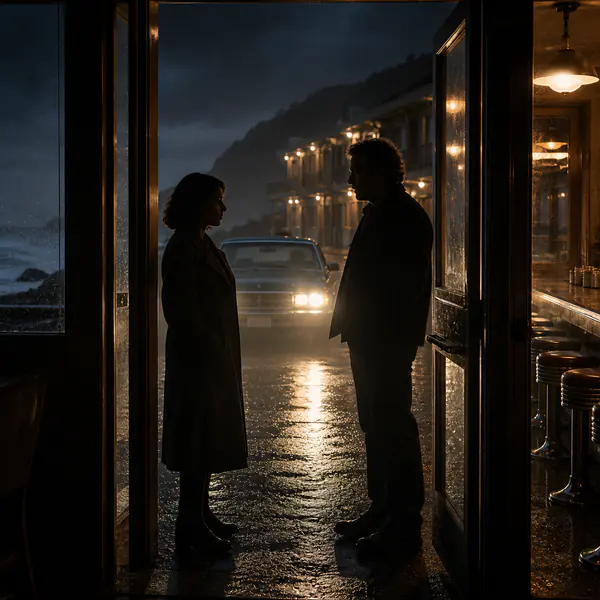
    Silhouette

    A silhouette renders the subject mostly dark against a brighter background, emphasizing outline, gesture, and mystery.

  • Backlighting — Backlighting places the main light behind a subject, producing glowing edges, translucent details, haze, or dramatic contrast
    14

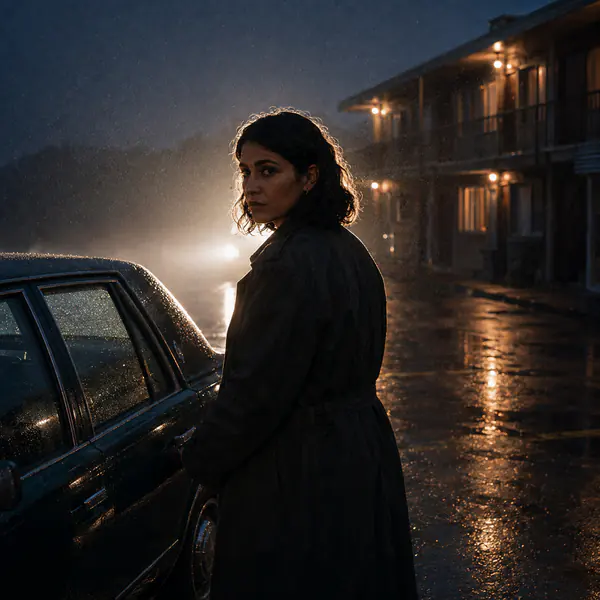
    Backlighting

    Backlighting places the main light behind a subject, producing glowing edges, translucent details, haze, or dramatic contrast.

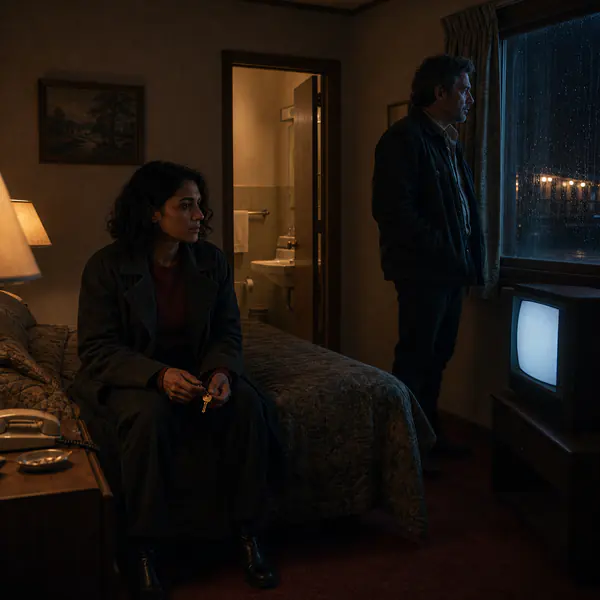
  • Practical lighting — Practical lighting uses visible lamps, screens, candles, or signs within the frame to motivate illumination and mood
    15

    Practical lighting

    Practical lighting uses visible lamps, screens, candles, or signs within the frame to motivate illumination and mood.

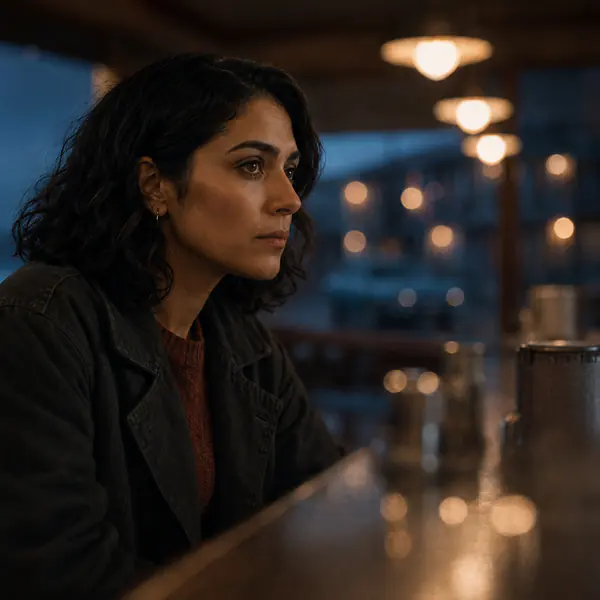
  • Shallow focus — Shallow focus keeps a narrow depth range sharp while softening foreground or background elements into visual atmosphere
    16

    Shallow focus

    Shallow focus keeps a narrow depth range sharp while softening foreground or background elements into visual atmosphere.

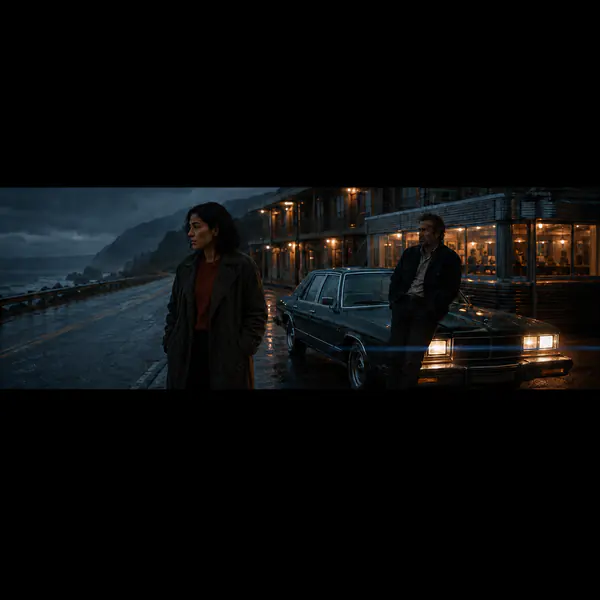
  • Anamorphic look — An anamorphic look combines a wide aspect ratio with oval bokeh, horizontal flares, and gently stretched edge rendering
    17

    Anamorphic look

    An anamorphic look combines a wide aspect ratio with oval bokeh, horizontal flares, and gently stretched edge rendering.

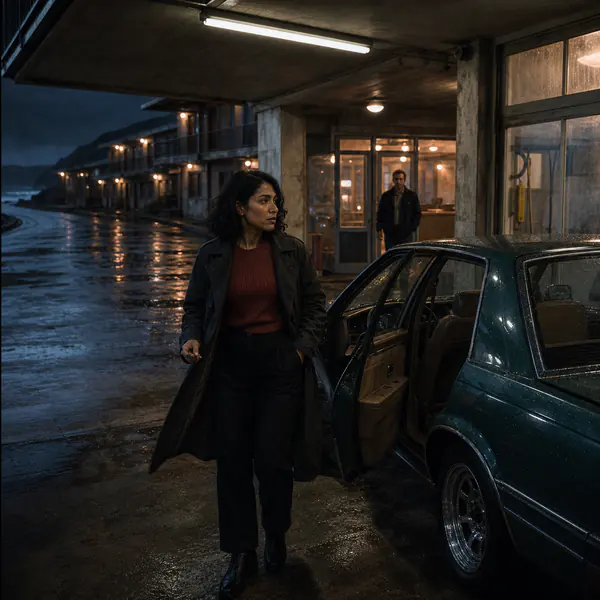
  • Film still — A film still resembles a paused narrative moment through purposeful blocking, evocative light, production detail, and implied action
    18

    Film still

    A film still resembles a paused narrative moment through purposeful blocking, evocative light, production detail, and implied action.

  • Day-for-night — Day-for-night styling transforms daylight imagery into believable night through underexposure, cool color, controlled skies, and selective highlights
    19

    Day-for-night

    Day-for-night styling transforms daylight imagery into believable night through underexposure, cool color, controlled skies, and selective highlights.

  • Cinematic color grade — A cinematic color grade shapes palette, contrast, saturation, and shadow tone to unify atmosphere and emotional meaning
    20

    Cinematic color grade

    A cinematic color grade shapes palette, contrast, saturation, and shadow tone to unify atmosphere and emotional meaning.

  • Deep focus — Deep focus keeps foreground, middle ground, and background visibly sharp so several narrative layers can matter simultaneously
    21

    Deep focus

    Deep focus keeps foreground, middle ground, and background visibly sharp so several narrative layers can matter simultaneously.

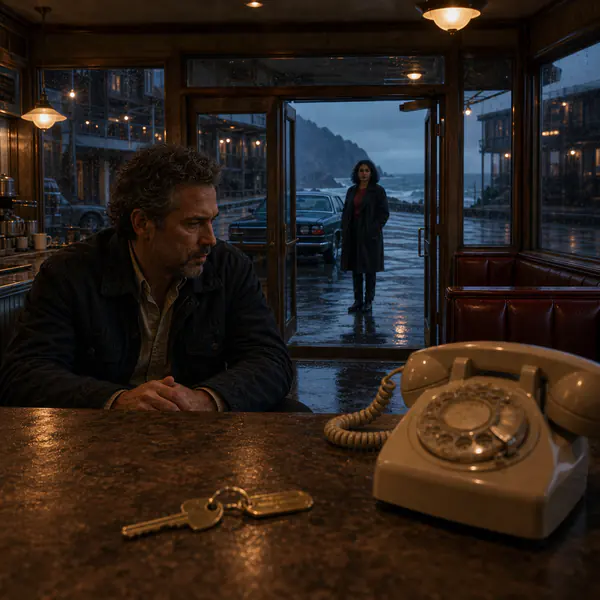
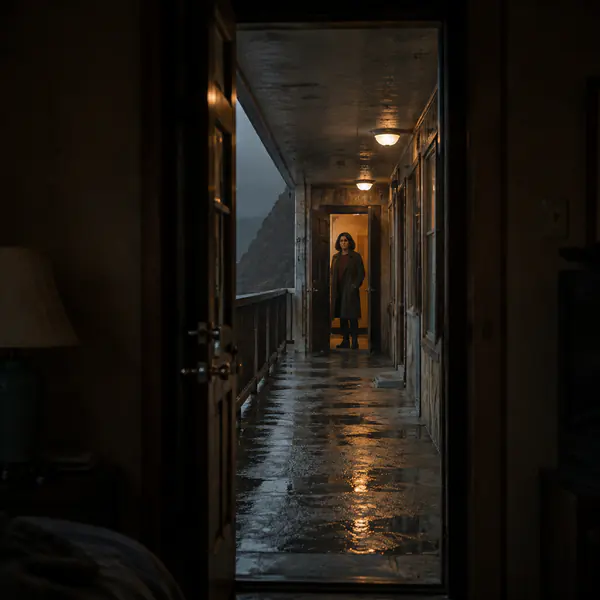
  • Frame within a frame — Frame-within-a-frame composition surrounds a subject with doorways, windows, mirrors, or architecture to focus attention and imply observation
    22

    Frame within a frame

    Frame-within-a-frame composition surrounds a subject with doorways, windows, mirrors, or architecture to focus attention and imply observation.

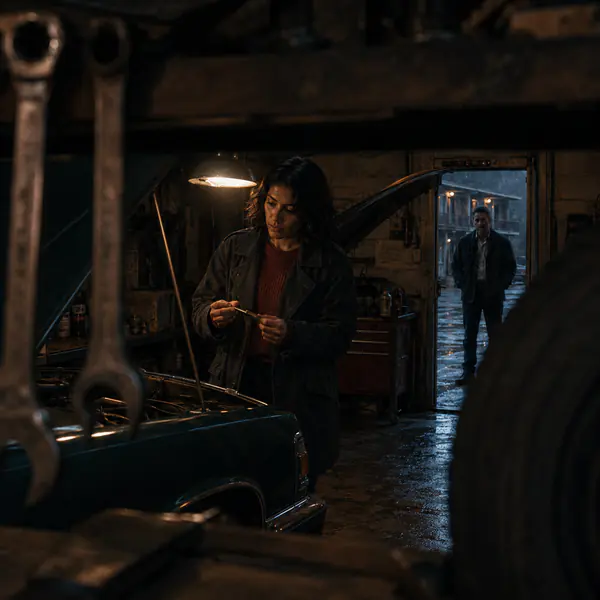
  • Foreground layering — Foreground layering places objects close to the lens to add depth, conceal information, or create a watchful viewpoint
    23

    Foreground layering

    Foreground layering places objects close to the lens to add depth, conceal information, or create a watchful viewpoint.

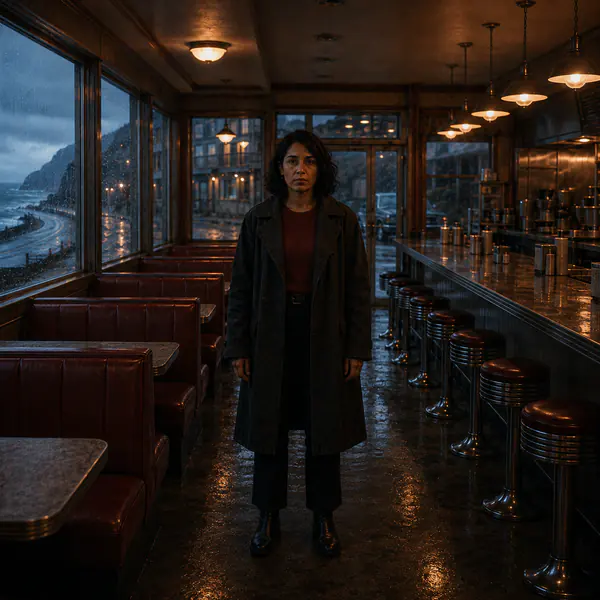
  • Centered composition — Centered composition places the main subject on the frame's axis for formality, confrontation, stillness, or controlled unease
    24

    Centered composition

    Centered composition places the main subject on the frame's axis for formality, confrontation, stillness, or controlled unease.

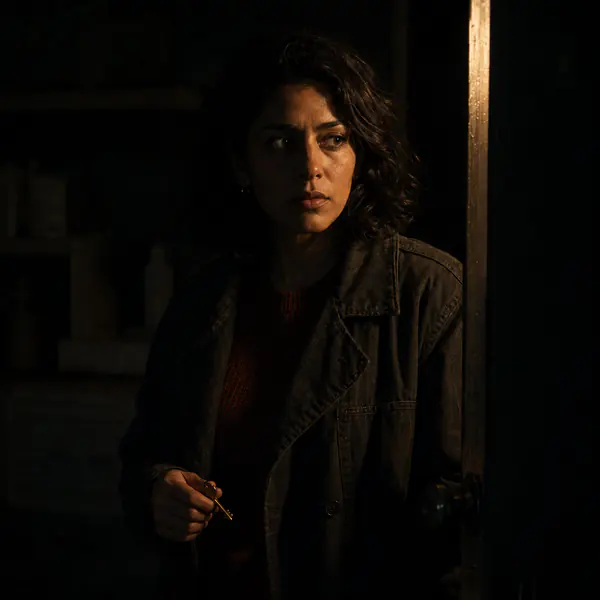
  • Chiaroscuro — Chiaroscuro uses bold separation between light and darkness to sculpt form, hide detail, and heighten dramatic tension
    25

    Chiaroscuro

    Chiaroscuro uses bold separation between light and darkness to sculpt form, hide detail, and heighten dramatic tension.